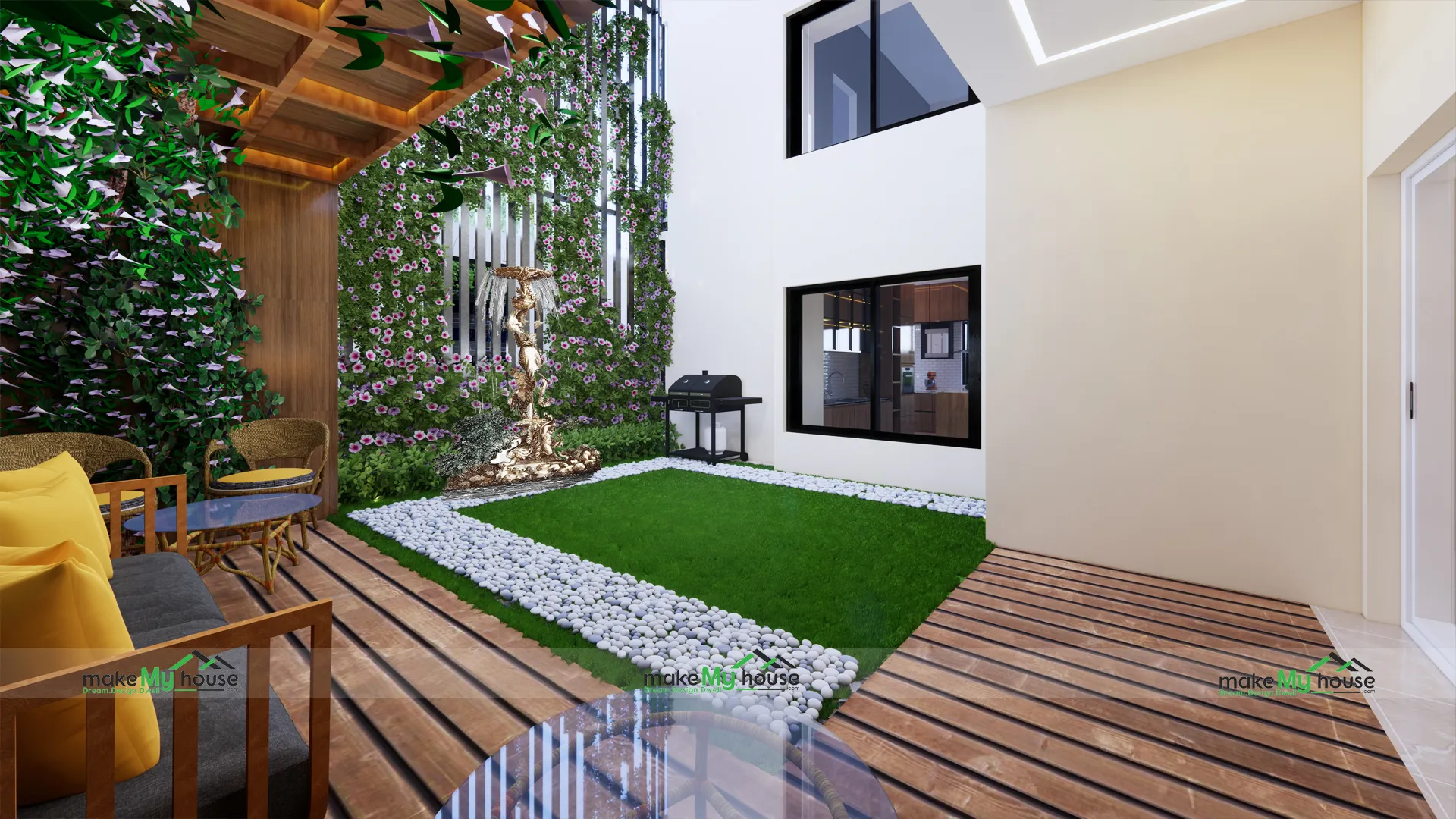
Smart construction choices like cool roof treatment, proper ventilation, insulation, and shading can significantly reduce heat inside your home. By planning these elements during construction, you can keep your house naturally cool and reduce dependence on AC.
As soon as summer arrives, the temperature inside the house rises so much that it becomes difficult to stay indoors.
The fan runs… yet the air remains hot.
Switch on the AC, and you get some relief… but the stress caused by looking at the electricity bill is a whole other issue.
I’ve observed this problem at many construction sites. Same area, same weather… yet some homes remain naturally cool, while others act like absolute heat traps.
There is only one difference construction planning.
If a house is designed and constructed correctly, you can remain quite comfortable even without an AC.
Let’s explore 10 construction ideas to reduce heat in your home naturally ideas that are practical, real-world tested, and budget-friendly.
Why Construction Matters for Cooling
Most people believe that the solution for cooling lies in interior design or air conditioning.
But the reality is this
70% of heat is controlled by the construction itself.
- The roof absorbs heat.
- The walls transfer heat.
- Sunlight enters directly through the windows.
I have personally witnessed this two houses of the exact same size… one cool, the other hot. The only difference was the construction.
10 Construction Ideas to Reduce Heat in Your Home Naturally
1. Cool Roof Treatment (The Most Important Factor)
The roof is the primary source of heat entry.
- Best solutions:
- White reflective coating
- China mosaic tiles
- Roof insulation
In one project, simply applying a white coating resulted in a noticeable temperature difference of 4–5°C.
2. Proper House Orientation
The direction your house faces determines how much heat enters the home.
- East-facing homes = better
- West-facing walls = heat traps
Solution:
- Incorporate shading on the west side.
- Carefully plan the placement of windows.
3. Wall Insulation & Double Walls
Walls act as conduits for heat transfer.
Options:
- Double-wall construction
- Cavity walls
- Insulated blocks
The initial cost may increase slightly… but it ensures long-term comfort.
4. Planning for Cross Ventilation
Air movement = natural cooling. Plan like this:
- Windows on opposite walls
- Open layouts
Ventilation shaftsI’ve observed if there is proper airflow, the need for AC is significantly reduced.

5. Sunshades (Chajjas) on Windows
Direct sunlight = direct heat.
Use:
- Sunshades (Chajjas)
- Louvers
- Extended slabs
It’s a simple solution… but highly effective.
6. Use Heat-Resistant Materials
Material selection is crucial.
Better options:
- Light-colored exterior paint
- Reflective tiles
- AAC blocks
- Dark materials absorb heat avoid them.
7. False Ceiling with Air Gap
Prevents heat from the roof from entering the room directly.
Benefits:
- Heat transfer is slowed down
- Room temperature remains stable
It is a must, especially for homes on the top floor.
8. Terrace Garden or Green Roof
Leverage the power of nature.
Benefits:
- Heat absorption is reduced
- The surrounding temperature remains cool
I’ve noticed a distinct cooling effect in homes featuring a terrace garden.
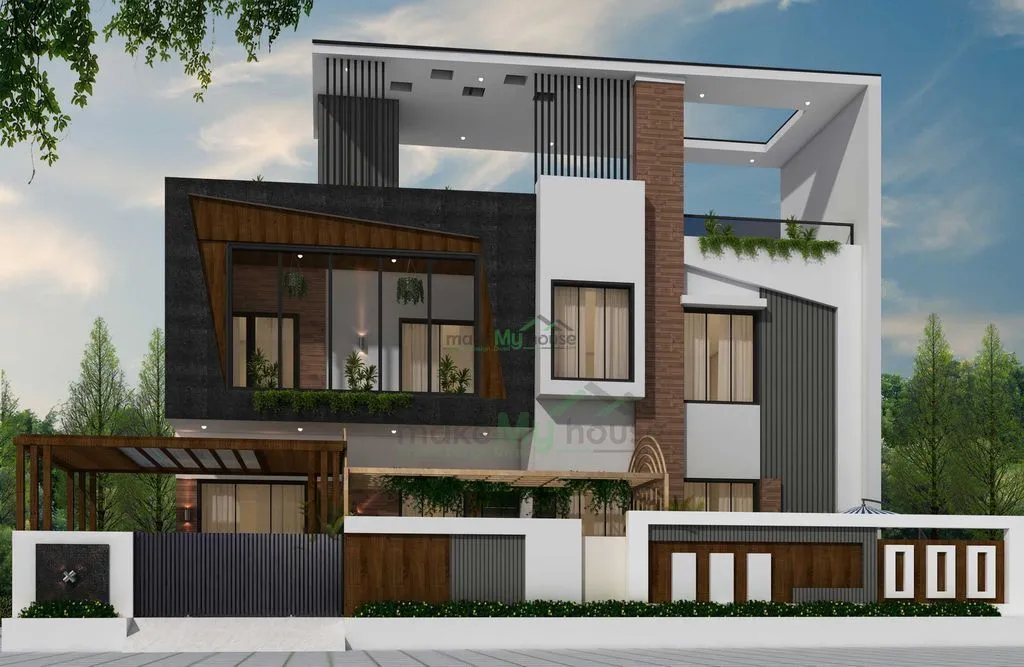
9. Limit Glass Usage in the Elevation
Glass looks stylish… but it traps heat.
A better approach:
- Use glass in a controlled manner
- Opt for shaded glass panels
- Overuse turns the house into a greenhouse.
10. Open Layout Design
Enclosed spaces trap heat.
Go for:
- Open-plan living + dining areas
- Wider passages
- Open space = better airflow = a cooler home.
Real-World Tips & Pro Advice
These tips work effectively on-site:
Combine roof waterproofing with heat-proofing treatments
You get a dual benefit
Keep window sizes large but ensure they are shaded
You get both natural light and heat control
Design with the local climate in mind
Every city has its own unique conditions
Use ventilation blocks in bathrooms & kitchens
It helps expel both heat and odors
Common Mistakes to Avoid
Ignoring Roof Heat
The biggest mistake of all.
No Ventilation Planning
Closed homes always feel hotter.
Dark Exterior Colors
They absorb heat.
Overuse of Glass
It traps heat.
Late Planning
Making changes after construction is complete is costly.

Quick Checklist for Heat Reduction
- Cool roof treatment
- Proper orientation
- Wall insulation
- Cross ventilation
- Sunshades on windows
- Light exterior colors
- Green elements
FAQs
1. Can construction really reduce heat in home?
Yes, smart construction can naturally control indoor temperature.
2. What is the best roof solution?
White coating or insulation works best.
3. Does house direction matter?
Yes, west-facing homes get more heat.
4. Is false ceiling helpful?
Yes, it reduces heat transfer from roof.
5. Can I apply these in old homes?
Some solutions like coating and shading can be added later.
6. Are plants useful for cooling?
Yes, they reduce surrounding temperature.
7. Which wall gets maximum heat?
West-facing wall gets most heat.
8. Is insulation worth the cost?
Yes, it saves energy and improves comfort long-term.
Conclusion
Just AC is not useful in keeping the house cool…
Real solution lies in construction.
I’ve personally seen homes built with smart planning—
They stay comfortable even in peak summer.
And where planning is weak…
The vehicle AC also struggles.
If you focus on:
- Roof cooling
- Ventilation
- Right materials
You can build a home that stays naturally cool.
And most important-
Comfort will be available without extra electricity cost.