Introduction:
Building a new home is an exciting yet complex journey. Understanding the Home Construction Process can help you navigate through each phase of construction and avoid potential pitfalls. Whether you are a first-time homeowner or an experienced builder, having a clear understanding of the steps involved is crucial. In this blog, we will walk you through the Home Construction Process step-by-step and highlight the key considerations at each stage.
1. Planning and Design Phase: Laying the Foundation for Success
The first step in the Home Construction Process is planning and design. This phase sets the tone for the entire project. It involves determining your budget, selecting a contractor, and designing your dream home.
- Budget Planning: Before starting any design work, it’s essential to establish a realistic budget. This includes costs for labor, materials, permits, and unexpected contingencies.
- Choosing a Design: Once your budget is in place, you can work with an architect or designer to create the blueprint of your home. This will involve discussions about layout, style, and functionality.
- Choosing a Contractor: Selecting the right contractor is key. Look for a licensed and experienced professional who aligns with your vision and can deliver quality work on time.
2. Pre-Construction Phase: Getting Ready to Build
After finalizing the design and selecting your contractor, the Home Construction Process moves into the pre-construction phase. This is when you prepare everything needed before actual construction begins.
- Obtaining Permits: Before breaking ground, your contractor will need to obtain all necessary permits from local authorities. This ensures that your home complies with zoning laws and building codes.
- Site Preparation: This step involves clearing the land, excavating, and setting up utilities like water, electricity, and sewage. If the site isn’t level, excavation work may be required to make it suitable for building.
- Finalizing Contracts: Both parties will sign contracts that outline responsibilities, timelines, and costs. This ensures a transparent and legally sound agreement.
Also read: The Importance of Modern Garden and Landscape Design for Indian Homes
3. Foundation and Framing: Building the Skeleton of Your Home
With all pre-construction tasks out of the way, the real construction begins! The Home Construction Process progresses to laying the foundation and framing the structure.
- Foundation Work: The foundation is one of the most critical parts of home construction. Depending on your location, the foundation could be a slab, crawl space, or full basement. Concrete is poured, and forms are set.
- Framing the House: Once the foundation has cured, the framing process begins. This includes the installation of the skeleton of your home: walls, roof trusses, and floor joists. The framing stage gives you the first real sense of your home’s size and layout.
4. Roofing, Windows, and Siding: Making the Home Weatherproof
As the framing takes shape, the next stage in the Home Construction Process focuses on weatherproofing your home. This involves installing the roof, windows, and exterior siding.
- Roof Installation: A weatherproof roof is essential to protect your home from rain, snow, and extreme weather. The roofing material can vary based on your location and design preferences, including asphalt shingles, metal roofing, or clay tiles.
- Windows and Doors: After the roof is in place, windows and exterior doors are installed. This is crucial for sealing your home and preventing drafts.
- Siding: Exterior siding adds both aesthetics and functionality to your home. Popular siding materials include vinyl, wood, and brick. The installation process also includes insulation to improve energy efficiency.
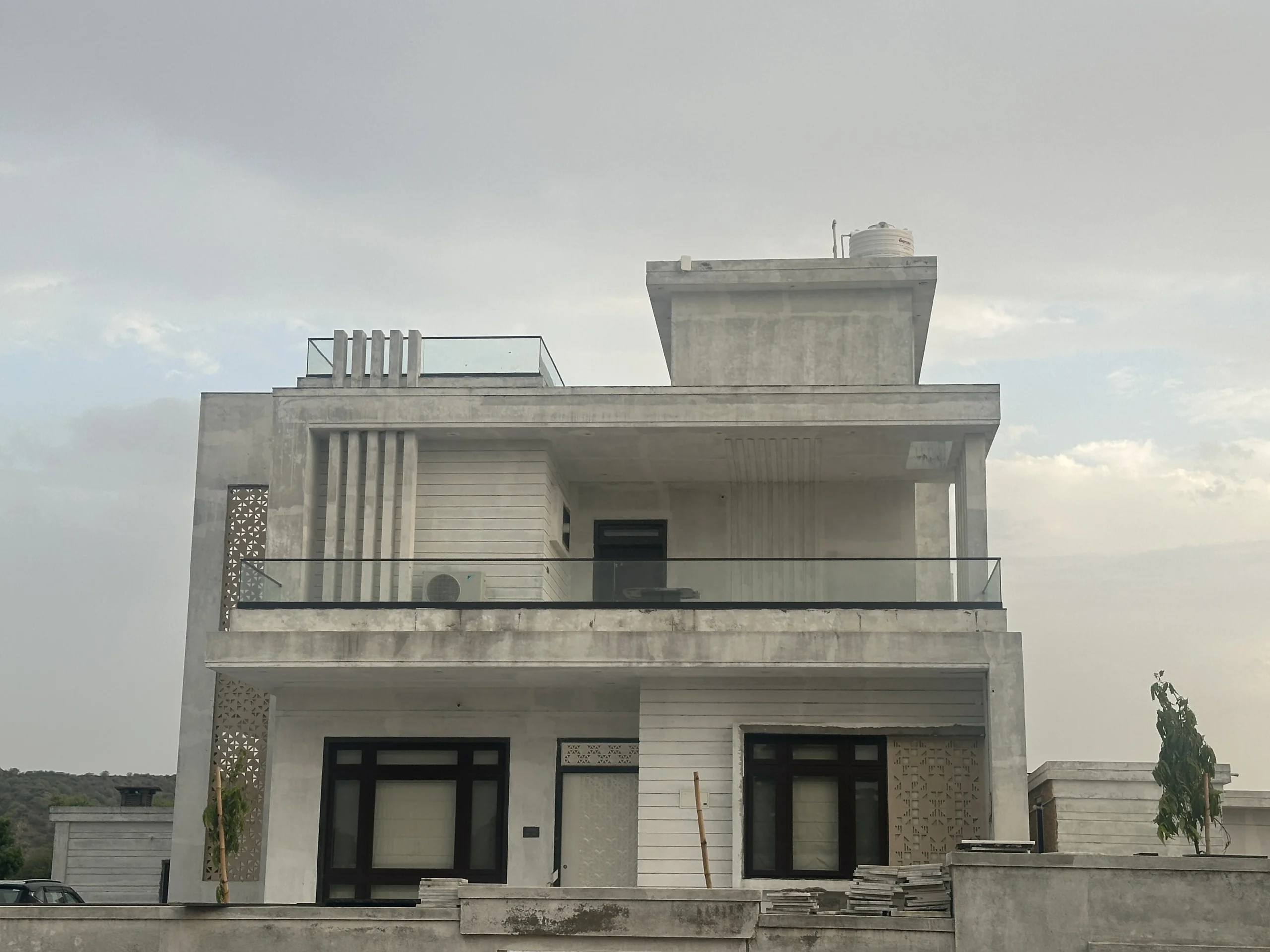
- Brick laying: is a crucial step in house construction where bricks are placed with proper alignment and strong mortar. Correct brick laying improves wall strength, durability, and overall finish. It also ensures the long-term safety and stability of the building.

5. Plumbing, Electrical, and HVAC: The Essential Systems
Once the house is weatherproof, the next phase of the Home Construction Process includes installing all the essential systems that make a home functional. This stage focuses on plumbing, electrical wiring, and heating/cooling (HVAC) systems.
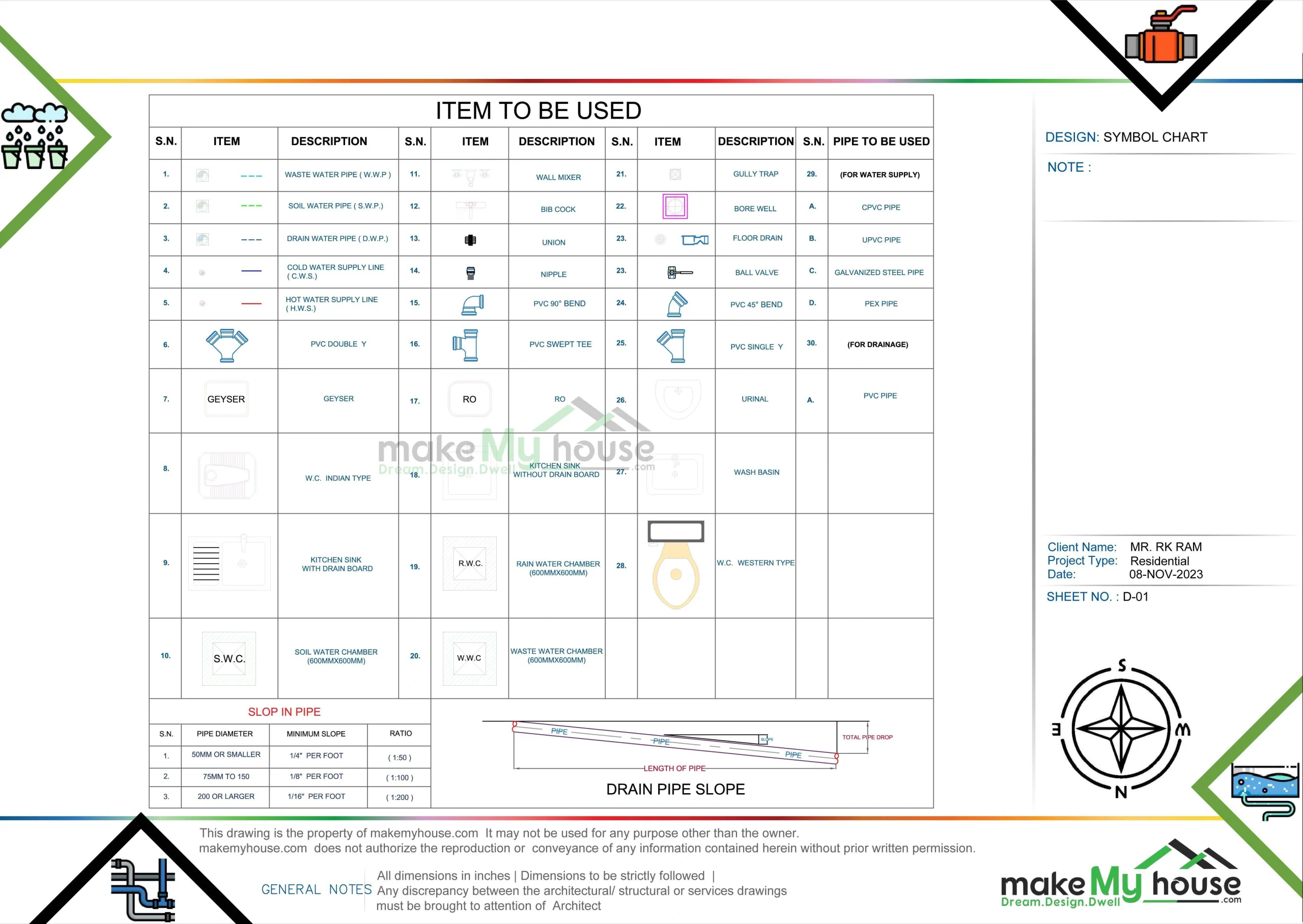
- Plumbing: Plumbing systems, including pipes for water, drainage, and sewage, are installed throughout the home. This stage also includes fitting fixtures like sinks, toilets, and showers.
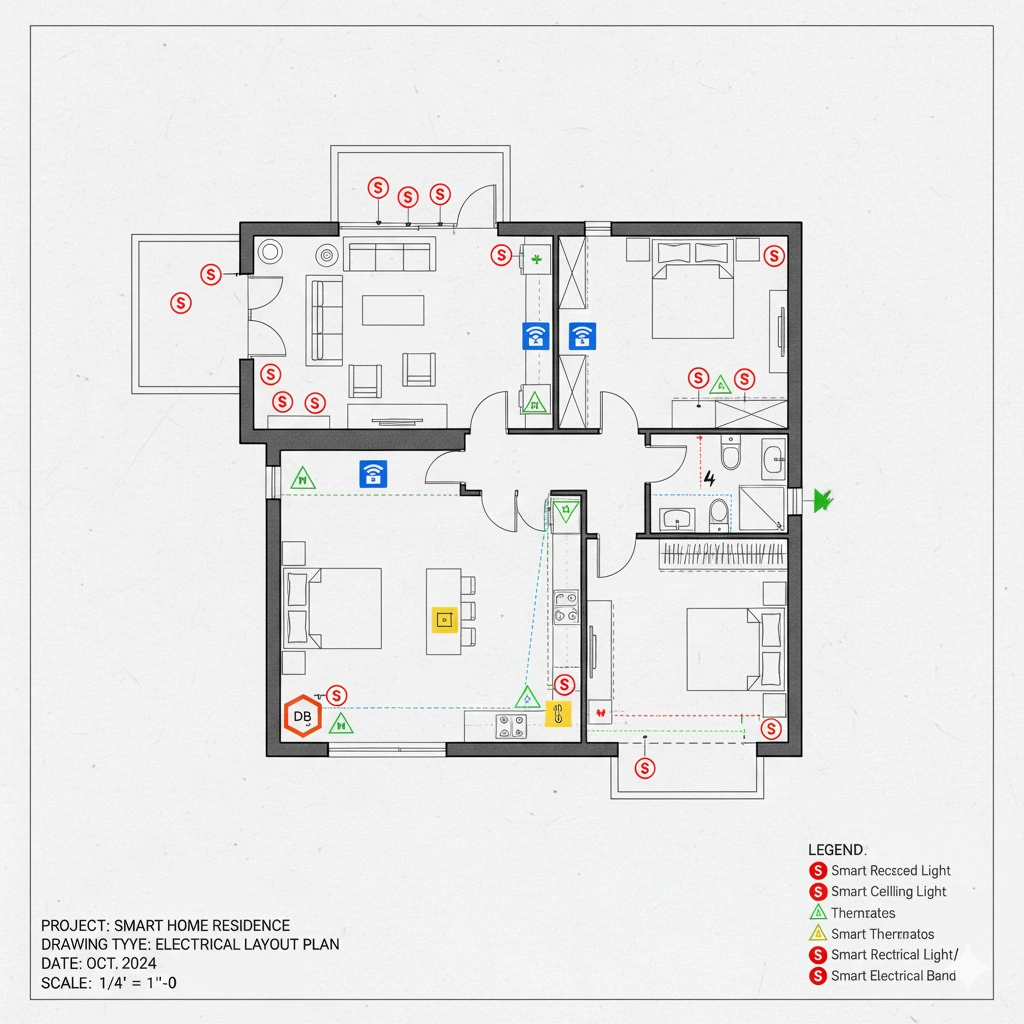
- Electrical Wiring: An electrician will install the wiring for lighting, outlets, and appliances. Safety is crucial during this phase, so proper grounding and code adherence are required.
- HVAC Systems: Heating, ventilation, and air conditioning systems are installed to ensure comfort throughout the year. Whether it’s a central HVAC system, underfloor heating, or ductless units, this stage ensures your home stays at the perfect temperature.
6. Interior Finishing: Turning Your House into a Home
At this point in the Home Construction Process, the exterior structure is complete, and work begins on the interior finishes that transform your house into a home.
- Drywall and Insulation: Insulation is installed in walls and ceilings to maintain energy efficiency, and drywall is put up to create the rooms of your home.
- Flooring and Painting: Next, flooring materials are installed whether hardwood, carpet, tile, or laminate and walls are painted in your chosen colors.
- Cabinets and Fixtures: Kitchen cabinets, bathroom vanities, and other built-ins are installed. You’ll also see the installation of light fixtures, faucets, and other finishing touches that add personality to your home.
7. Final Inspection and Handover: The Finishing Touches
The final stage of the Home Construction Process involves inspections, cleanup, and handing over the keys to your new home.
- Final Inspections: Before you can move in, a series of final inspections are conducted to ensure that everything meets local building codes and safety standards. This includes checking plumbing, electrical systems, and overall construction.
- Cleanup: Once all inspections are passed, a thorough cleaning is done. This ensures that the house is ready for you to move into.
- Handover: Finally, the contractor will walk you through the house to ensure you’re happy with the work. After that, the keys to your new home are handed over, and you can officially begin enjoying your space.
Conclusion
The Home Construction Process is an exciting but detailed journey that requires patience, careful planning, and attention to detail. Each stage is crucial, from the initial design phase to the final inspection. By understanding the steps involved, you can better prepare yourself for what to expect and ensure that your home is built to your specifications. With the right planning and a skilled team of professionals, you’ll soon be able to enjoy your dream home.
Building a home is a long-term investment, and knowing the process from start to finish can help you make informed decisions along the way. Be sure to stay involved, ask questions, and stay proactive to ensure everything goes smoothly.
FAQs
1. What is the first step in the home construction process?
The first step in the Home Construction Process is planning and design. Initially, you need to set a budget and decide on the features you want in your home. Afterward, you can work with an architect to create a design that aligns with your needs. This stage is crucial because it lays the foundation for the entire project.
2. How long does the home construction process take?
Generally, the Home Construction Process takes about 6 to 12 months, depending on the size and complexity of your project. However, it’s important to note that factors like weather, material availability, and labor availability can influence the timeline. Therefore, some projects might take longer, while others could be completed sooner than expected.
3. What factors can impact the cost of home construction?
Several factors can impact the cost of building a home. For example, the design you choose, the location of your site, and the materials you select all play a role in the final price. Additionally, unexpected issues like site problems or changes in design during construction can lead to higher costs. Thus, always have a contingency fund set aside.
4. How do I choose the right contractor for my project?
Choosing the right contractor is essential for the success of your project. Firstly, look for someone with experience in building homes similar to yours. Moreover, ensure they have proper licenses and insurance. Additionally, check references or reviews from previous clients to gauge their reliability. Finally, be sure to communicate clearly about your expectations.
5. What is the role of an architect in the home construction process?
An architect is responsible for creating the blueprints and designs for your home. They ensure that your ideas are feasible and comply with local building codes. After the design phase, they may also oversee the construction process to make sure everything is built according to the plans. Consequently, they play a crucial role in ensuring the home is both functional and aesthetically pleasing.
6. What happens during the foundation and framing phase?
The foundation and framing phase is when your home starts to take shape. Initially, a foundation is laid, which could be a slab, crawl space, or basement, depending on your design. Subsequently, the framing crew builds the skeleton of the house, including walls, floors, and roof trusses. This stage is important because it establishes the structure of your home.
7. How is the electrical system installed during home construction?
The electrical system is installed after the framing is completed. Electricians will run wires, install electrical panels, and set up outlets and light fixtures. Furthermore, they will ensure the wiring complies with safety codes. This is a critical stage as the electrical system must be both safe and functional for long-term use.
8. What are the major systems installed in a home during construction?
During the Home Construction Process, several major systems are installed, including plumbing, electrical, and HVAC (heating, ventilation, and air conditioning) systems. These systems are essential for the comfort and functionality of your home. Consequently, proper installation is critical to ensure efficiency and compliance with safety standards.
9. How do I prepare for the final inspection?
Before the final inspection, ensure that all construction work is complete and that all necessary systems are functional. You should also verify that your home meets local building codes and zoning requirements. The contractor will likely conduct a walkthrough with you before the official inspection to address any last-minute issues. This will make the process smoother and quicker.
10. What should I expect during the home handover process?
During the handover process, your contractor will give you the keys to your new home after conducting the final inspection. The contractor will also walk you through the property, explaining the maintenance and care required for various systems, such as HVAC and plumbing. Additionally, you will have an opportunity to ask any final questions regarding the home’s condition.