Introduction
Building a home is a once-in-a-lifetime milestone. However, without proper preparation, small errors can quickly become expensive problems. Therefore, understanding the Common Mistakes People Make Before Starting Home Construction helps homeowners avoid delays, budget overruns, and design regrets. We focus on practical planning, clear decision-making, and structured execution so every step of the construction journey becomes predictable and stress-free.
Moreover, early awareness allows homeowners to make informed choices. Consequently, they save money, time, and effort. In addition, planning reduces confusion during construction and ensures that the final result aligns with expectations.
Budget Planning Errors: Common Mistakes People Make Before Starting Home Construction
One of the biggest mistakes occurs before the first brick is laid improper budgeting. Many homeowners estimate only the construction cost, ignoring additional expenses like design fees, approvals, and finishing materials. As a result, projects get delayed due to cash flow issues.
Key issues in budgeting include:
- Underestimating material costs
- Ignoring labor price fluctuations
- No contingency fund
- Over-spending on aesthetics early
- Skipping cost comparison
- Failing to include professional consultancy fees
Therefore, a detailed financial roadmap is essential. Additionally, allocating at least 10–15% as a contingency fund ensures smoother execution. Furthermore, clear cost breakdowns help prevent last-minute compromises in quality.
Also read: Why Architects Play a Key Role in Building Your Dream Home
Poor Site Analysis: Common Mistakes People Make Before Starting Home Construction
Site evaluation often gets ignored. However, soil quality, orientation, and drainage significantly impact structural stability. Without proper analysis, construction may face foundation problems, water seepage, or structural cracks.
Common site-related mistakes:
- Skipping soil testing
- Ignoring sunlight direction
- Poor drainage planning
- Improper leveling
- Not checking zoning rules
- Not verifying local zoning regulations
- Ignoring site orientation and sun path analysis
Consequently, a professional site survey ensures correct foundation planning. Moreover, understanding the site’s natural slope improves rainwater flow. In addition, proper orientation enhances natural lighting and ventilation.

Beginning Construction Without Finalized Design
Architectural guidelines stress that construction should never begin without approved drawings. Frequent design modifications during execution significantly increase costs and delay timelines.
Design Mistakes:
- Incomplete floor plans
- No structural coordination
- Ignoring future expansion needs
- Inadequate storage planning
- Unclear elevation and façade concepts
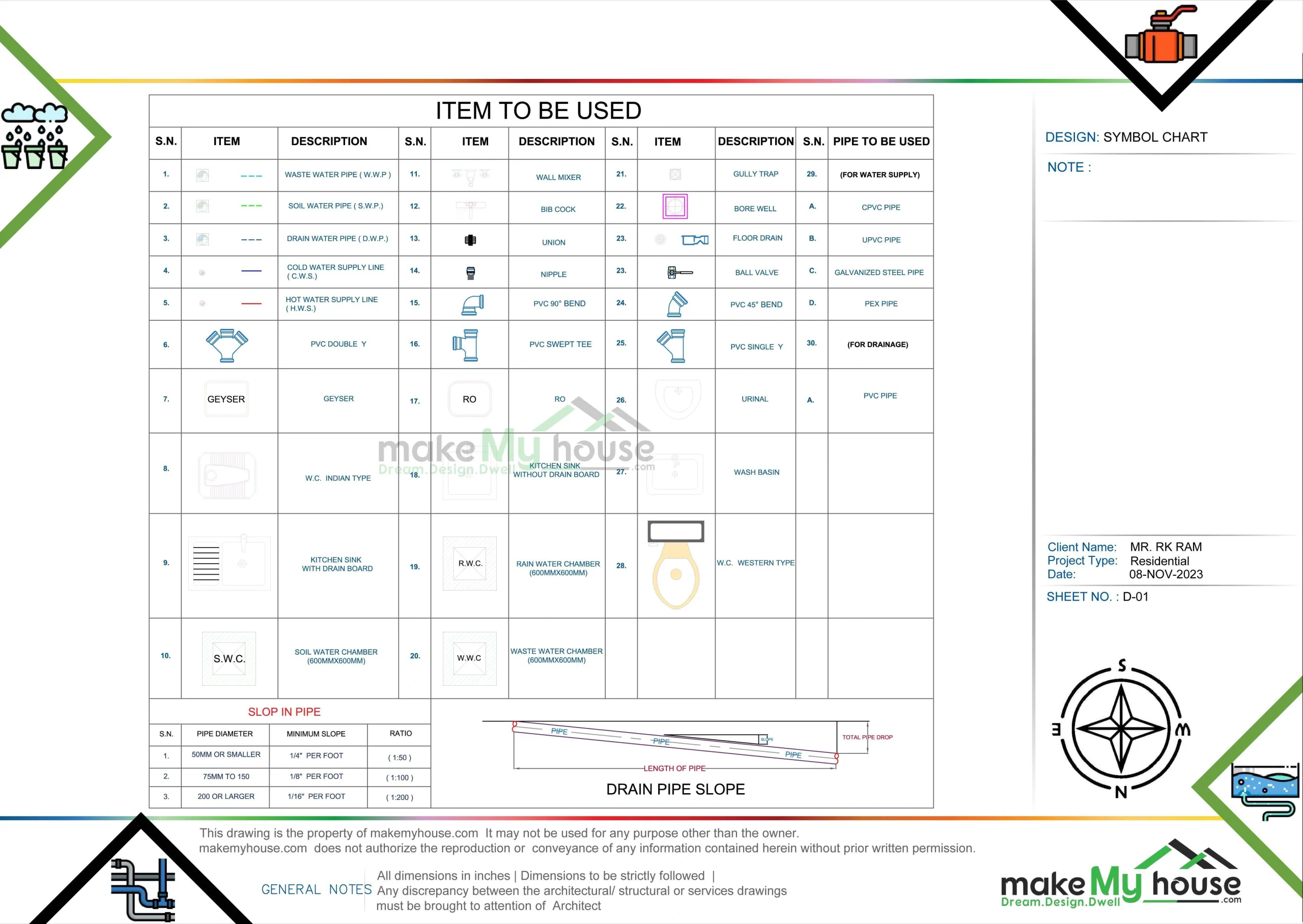
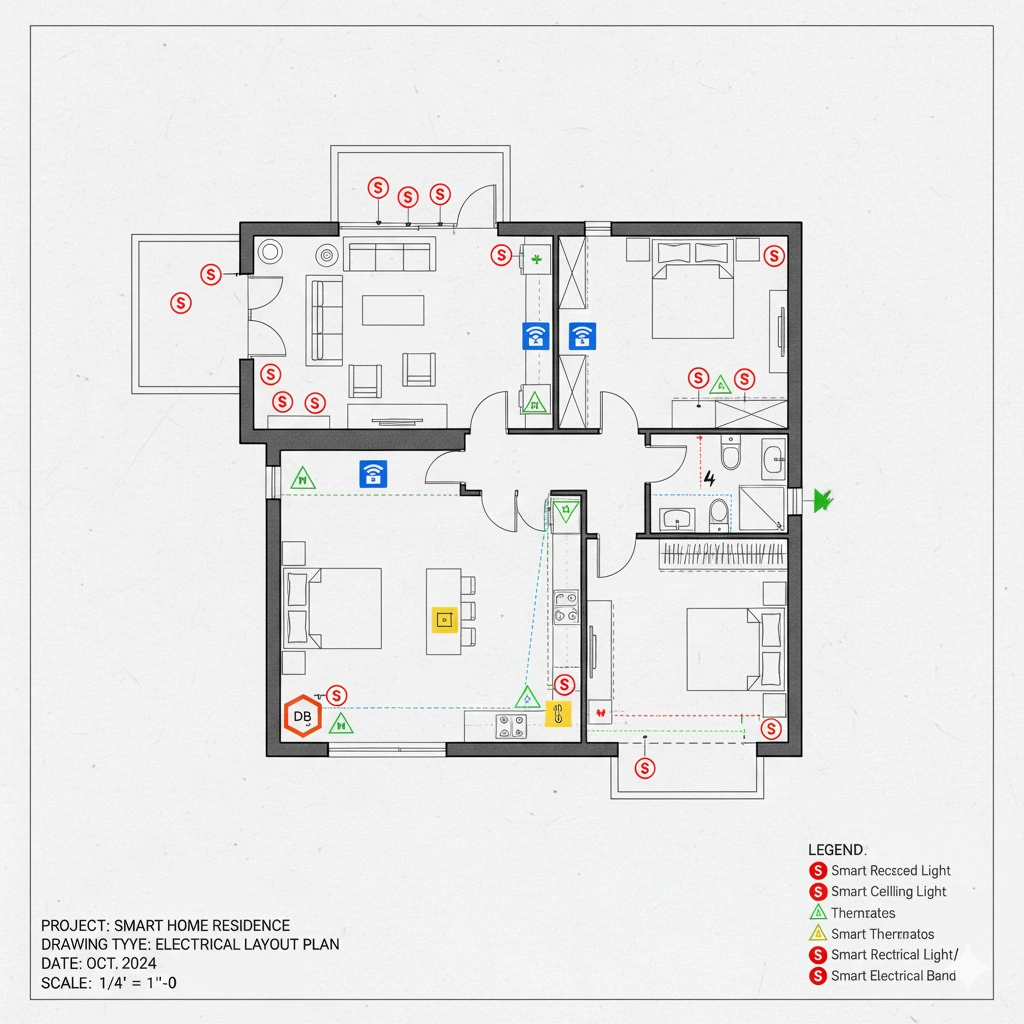
- No MEP (Mechanical, Electrical, Plumbing) Coordination
Using detailed architectural drawings, structural plans, and 3D visualizations allows homeowners to identify functional or aesthetic issues before execution. Integrated planning between architects and structural engineers minimizes rework and ensures technical accuracy.
Lack of Clear Design Vision
Many homeowners begin construction without finalized drawings. As a result, frequent design changes occur during execution. These changes increase costs, delay timelines, and create confusion among contractors.
Design-related mistakes include:
- No detailed floor plan
- Ignoring future needs
- Improper room sizing
- Weak storage planning
- Unclear elevation concept
Therefore, finalizing design before construction begins is crucial. Additionally, 3D visualization helps identify flaws early. Furthermore, discussing lifestyle needs ensures functional layouts.
Why Detailed Planning is Essential
Using detailed architectural drawings, structural designs, working drawings, and 3D visualizations helps homeowners clearly understand:
- Space functionality
- Natural light and ventilation
- Furniture placement
- Elevation aesthetics
- Structural safety
- Cost implications
Hiring the Wrong Professionals
Choosing the right architect and contractor directly affects construction quality. However, many homeowners select professionals based solely on low cost. Consequently, poor workmanship and delays become unavoidable.
Hiring mistakes include:
- Not checking past projects
- No written agreement
- Ignoring timelines
- Lack of communication
- No project supervision
Thus, verifying credentials and previous work is essential. Moreover, written contracts define responsibilities clearly. In addition, regular site meetings maintain transparency and accountability.
Ignoring Legal and Approval Requirements
Another major issue in the Common Mistakes People Make Before Starting Home Construction is skipping legal procedures. Building without proper approvals can lead to penalties or demolition orders. Therefore, documentation must be completed before construction begins.
Important approvals to secure:
- Building plan approval
- Local authority permits
- Utility connections
- Property boundary verification
- Structural safety clearance
Consequently, completing paperwork early prevents legal complications. Additionally, approved plans ensure compliance with local building codes. Furthermore, professional guidance simplifies the approval process.
Material Selection Without Research
Material choice impacts durability and maintenance. However, many homeowners choose materials based on appearance alone. As a result, they face long-term maintenance issues and higher costs.
Material selection mistakes:
- Choosing cheap materials
- Ignoring durability
- No quality testing
- Poor brand selection
- No long-term planning
Therefore, selecting high-quality materials ensures longevity. Moreover, comparing brands improves cost-effectiveness. In addition, consulting professionals prevents wrong decisions.
Timeline Mismanagement
Construction delays often occur due to unrealistic timelines. Many homeowners expect quick completion without considering weather, labor availability, and supply delays. Consequently, rushed work leads to compromised quality.
Timeline mistakes include:
- No project schedule
- Unplanned material delivery
- Frequent design changes
- Labor mismanagement
- No supervision
Thus, setting realistic timelines improves workflow. Moreover, scheduling material deliveries prevents downtime. Additionally, regular progress tracking keeps the project on track.
Skipping Future-Proof Planning
Homes should be designed for long-term comfort. However, many homeowners focus only on current needs. As a result, future expansions become difficult and costly.
Future planning mistakes:
- No expansion provision
- Limited electrical points
- Poor storage planning
- No energy efficiency
- Ignoring smart technology
Therefore, planning for future requirements ensures flexibility. Moreover, energy-efficient designs reduce utility costs. In addition, smart layouts increase property value.
Communication Gaps During Planning
Miscommunication between homeowners and professionals leads to confusion. Without clear instructions, errors occur during execution. Consequently, rework becomes necessary.
Communication mistakes include:
- No written instructions
- Unclear expectations
- Irregular meetings
- No progress tracking
- Last-minute changes
Thus, maintaining clear communication ensures smooth coordination. Moreover, regular updates keep everyone aligned. In addition, documented decisions avoid misunderstandings.
Final Thoughts
Avoiding the Common Mistakes People Make Before Starting Home Construction ensures a successful building journey. Careful planning, proper budgeting, and professional guidance lead to better results. Moreover, detailed preparation reduces stress and unexpected costs.
Therefore, starting construction with clarity and structure guarantees quality outcomes. Additionally, proactive decision-making improves efficiency. In conclusion, informed planning transforms construction into a seamless and rewarding experience.
FAQs
1. What is the biggest mistake before starting home construction?
Not planning the budget properly is the biggest mistake, as it leads to delays and cost overruns.
2. Why is soil testing important before construction?
Soil testing ensures the foundation is strong and prevents structural problems in the future.
3. Should I finalize the design before starting construction?
Yes, finalizing the floor plan and elevation helps avoid costly changes during construction.
4. How much extra budget should I keep aside?
It is recommended to keep at least 10–15% of the total budget as a contingency fund.
5. Do I need approvals before building a house?
Yes, you must get local authority approvals, building permits, and plan sanctions before starting.
6. Why is hiring the right contractor important?
A reliable contractor ensures quality work, timely completion, and fewer construction issues.