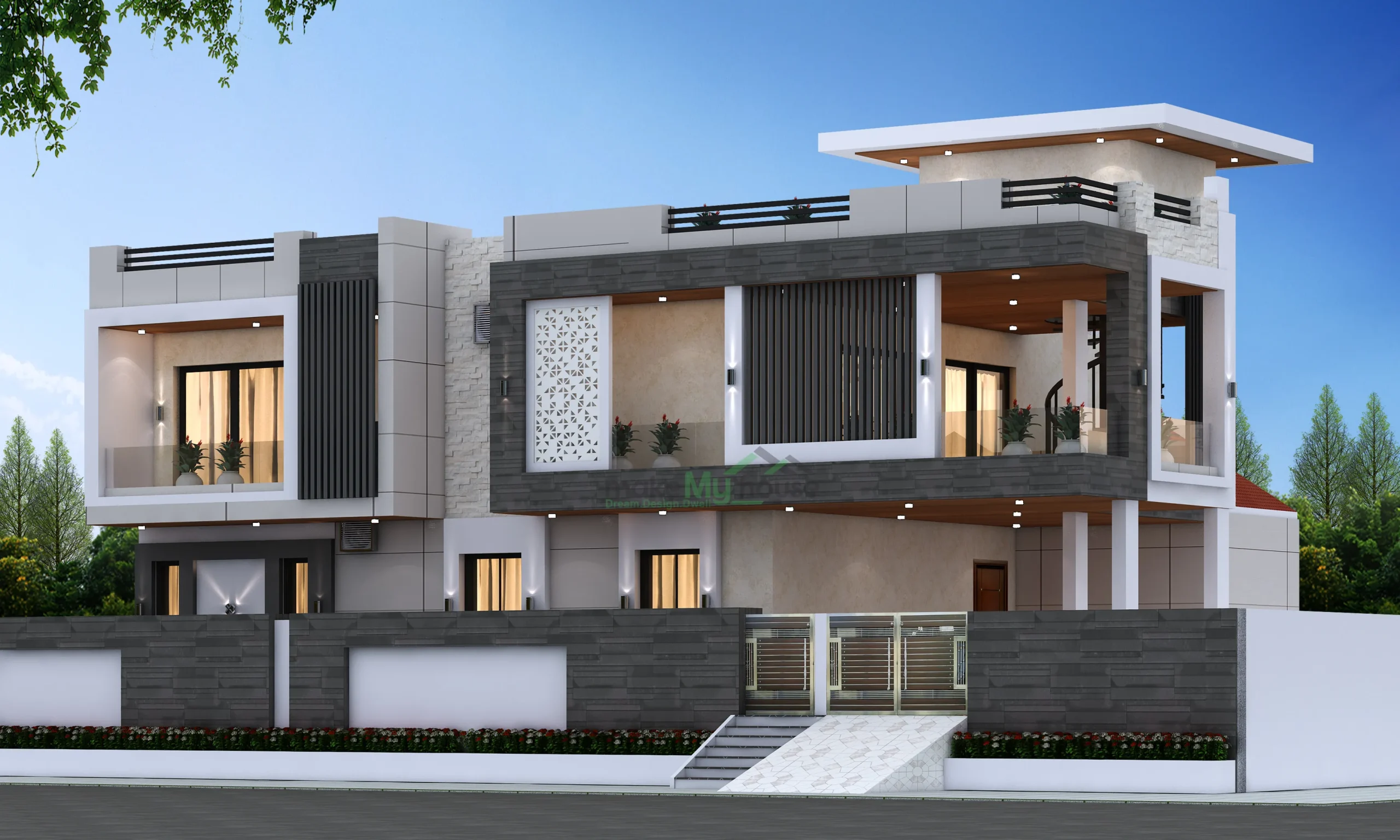
Smart construction can naturally keep your home cool in summer by reducing heat entry through the roof, walls, and windows while improving ventilation. With the right design choices, materials, and planning, you can stay comfortable without depending heavily on AC.
Summer arrives… and the inside of your home starts to feel like a furnace.
The fan is running, yet the air remains hot.
You could install an AC… but then the electricity bill brings a whole new kind of stress.
I’ve seen this problem time and again especially in top-floor apartments and west-facing houses. People become dependent on air conditioning, but the real issue can actually be resolved right at the construction stage.
The truth is if a home is built using smart construction methods, it can remain quite cool even without an AC.
Let’s understand how smart construction keeps your home cool in the summer without air conditioning, using real, practical ideas.
Why Some Homes Stay Cooler Than Others
Same city, same weather…
Yet, some homes remain naturally cooler than others.
Why?
Because of specific construction decisions.
Heat primarily enters a home through:
- The Roof (direct sunlight)
- The Walls (especially on the west side)
- The Windows (glass traps heat)
- Poor ventilation
I have personally seen homes where one can enjoy complete comfort even without an AC—solely due to their design and construction.
What is Smart Construction for Cooling?
Simply put
Smart construction means:
Designing and building a home in such a way that it absorbs less heat and allows for excellent air circulation.
This isn’t some luxury concept.
It simply requires a bit of planning and making the right decisions.
Step-by-Step: Smart Construction Tips to Keep Your Home Cool
Step 1: Cool Roof Treatment (The Most Important Step)
The roof absorbs the greatest amount of heat.
If you can keep the roof cool… the temperature inside the home regulates itself automatically.
Best options:
- White reflective coating
- China mosaic tiles
- An insulation layer
In one particular project, simply applying a white coating resulted in a noticeable drop in the indoor temperature.
Step 2: Proper House Orientation
Direction matters.
- East-facing homes = cooler mornings
- West-facing walls = heat traps
Solution:
- Minimize openings on the west side
- Utilize sunshades
Orientation planning is decided at the initial stage changing it later is difficult.
Step 3: Wall Insulation & Thickness
Walls also transfer heat.
What works:
- Double-wall construction
- Cavity walls
- Heat-resistant bricks
It increases the cost slightly… but ensures long-term comfort.
Step 4: Cross-Ventilation Design
Air movement = natural cooling.
Plan it like this:
- Windows on opposite walls
- Open passages
- Use vent blocks
I have observed that where ventilation is strong… even a fan is sufficient.

Step 5: Window Placement & Protection
Windows let in light… but also heat.
Smart ideas:
- Place more windows on the North/East sides
- Install *chhajjas* (sunshades) on the West side
- Double glazing (optional)
Controlling direct sunlight is crucial.
Step 6: Use Heat-Resistant Materials
Material selection matters significantly.
Better choices:
- Light-colored exterior paint
- Reflective tiles
- Local stone cladding
Dark materials absorb heat avoid them.
Step 7: False Ceiling & Air Gap
The goal should be to prevent roof heat from entering the room directly.
Solution:
- False ceiling
- Air gap between the roof slab and the ceiling
This slows down heat transfer.
Step 8: Landscaping & Green Elements
Leverage nature.
Ideas:
- Terrace garden
- Balcony plants
- Trees near the west side
Plants naturally reduce the surrounding temperature.
Real-World Tips & Pro Advice
These tips work on-site they aren’t just theory:
Combine heat treatment with roof waterproofing
This provides a dual benefit
Keep window sizes slightly larger but ensure they have shading
You get both light and heat control
Do not overlook ventilation shafts
Especially in bathrooms and the kitchen
Design with the local climate in mind
Every city has a unique heat pattern
Common Mistakes to Avoid
Ignoring Roof Heat
The biggest mistake of all.
Overuse of Glass in Elevation
Looks stylish… but traps heat.
No ventilation planning
Closed rooms always feel hotter.
Dark Exterior Colors
Can absorb heat.
Late Planning
Changes after construction are costly.
Quick Cooling Construction Checklist
- Cool roof coating
- Proper orientation
- cross ventilation
- wall insulation
- Sunshades on windows
- Light exterior colors
- green elements
FAQs
1. Can construction really reduce heat in home?
Yes. Smart construction can reduce indoor temperature naturally.
2. What is the best roof solution for heat?
White coating or insulation works best.
3. Does house direction affect temperature?
Yes, west-facing homes are usually hotter.
4. Is false ceiling useful in summer?
Yes, it reduces heat transfer from roof.
5. Can I apply these in an old house?
Some solutions like coating and shading can be added later.
6.Are plants really helpful?
Yes, they reduce surrounding temperature and improve air quality.
7. Which wall gets most heat?
West-facing wall gets maximum heat.
8. Is insulation expensive?
Initial cost is higher… but long-term saving is achieved.
Conclusion
AC is a temporary solution…
Permanent solution is hidden in construction.
I’ve personally seen homes built with smart planning
They stay comfortable even in peak summer.
And I’ve also seen homes with AC still feeling hot…
because the construction was weak.
If you focus on:
- Roof cooling
- Ventilation
- Right materials
- Smart design
You won’t just build a house…
You’ll build a home that stays comfortable naturally.