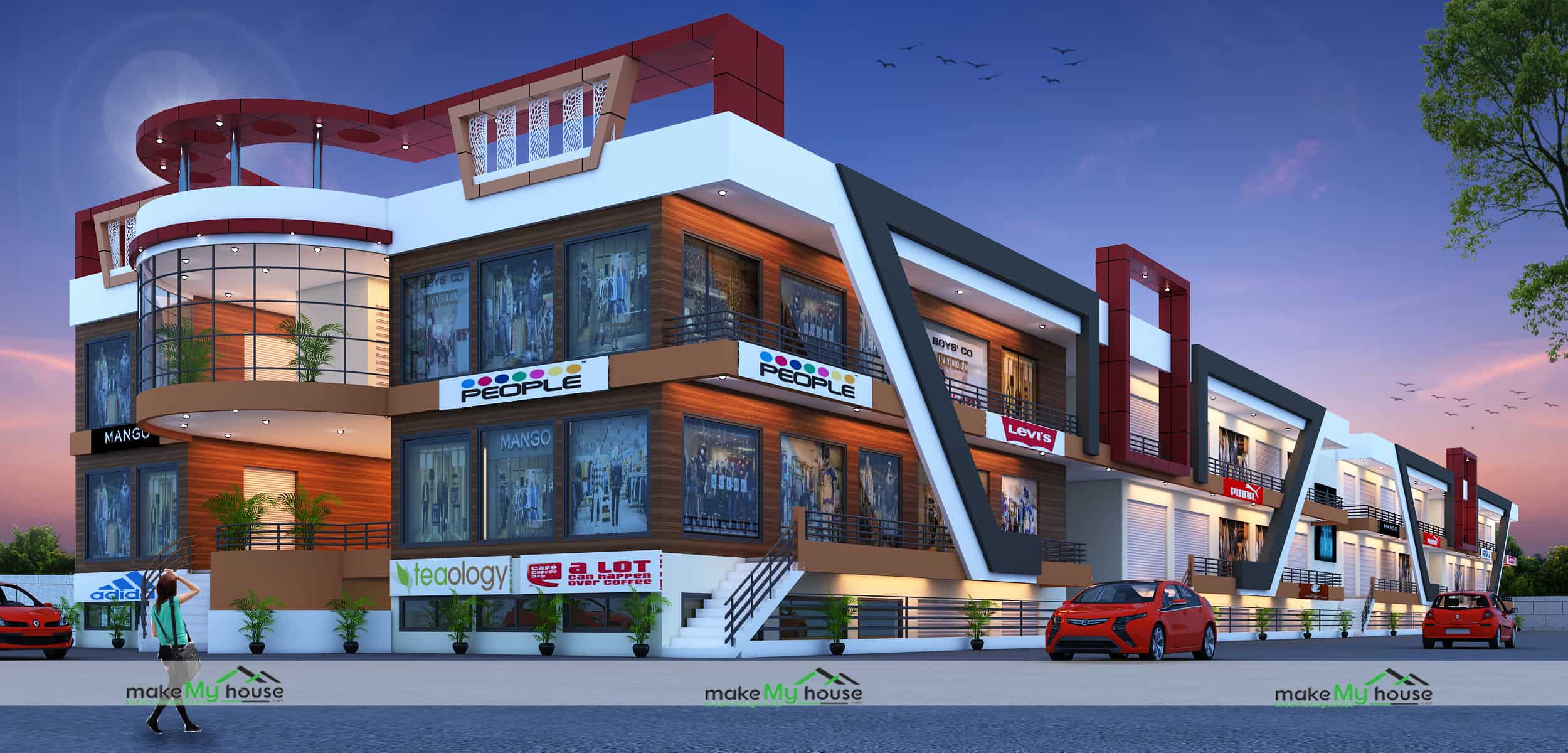
Introduction: Understanding Commercial vs Residential Construction
Construction projects in India are broadly divided into two major categories: commercial and residential. While both involve planning, design, and execution, their purpose, scale, regulations, and technical requirements differ significantly. Therefore, understanding the key differences between Commercial and Residential Construction is essential for homeowners, builders, architects, and investors alike.
Residential construction focuses on creating comfortable living spaces, including houses, apartments, and hostels. In contrast, commercial construction caters to business, institutional, and public use, including offices, malls, hospitals, and schools. Moreover, these differences are clearly defined under Indian regulations like the National Building Code (NBC 2016), making compliance a critical factor.
Purpose and Functional Use in Commercial vs Residential Construction
The primary distinction between commercial and residential construction lies in their purpose. Residential buildings are designed for daily living, comfort, and privacy. Consequently, elements such as ventilation, room layout, daylight, and personal aesthetics receive priority.
On the other hand, commercial buildings are developed for economic activities and public use. As a result, they must accommodate high footfall, operational efficiency, and safety at scale. Therefore, planning focuses more on accessibility, circulation, durability, and performance rather than personalization.
Key functional differences include:
- Living comfort vs operational efficiency
- Private occupancy vs public access
- Emotional comfort vs productivity and safety
Official Classification in India for Commercial vs Residential Construction
In India, construction types are officially classified under the National Building Code (NBC 2016). This classification ensures that every building meets safety, design, and occupancy standards relevant to its use. Hence, regulatory compliance becomes non-negotiable.
NBC Occupancy Classification:
- Group A – Residential: Houses, apartments, hostels
- Group E – Business: Offices, professional establishments
- Group F – Mercantile: Shops, malls, retail spaces
- Institutional & Public Assembly: Hospitals, schools, auditoriums
Thus, Commercial vs Residential Construction: Key Differences You Should Know are legally recognized, not just practical.

Design and Architectural Complexity
Residential construction typically involves simpler architectural planning. Buildings are usually low to mid-rise, with smaller spans and personalized layouts. Therefore, homeowners often influence design decisions related to interiors, finishes, and landscaping.
In contrast, commercial construction demands complex architectural and structural planning. Large spans, high-rise structures, elevators, HVAC systems, fire exits, and accessibility norms must be integrated seamlessly. Moreover, designs must support heavy loads and long-term usage without compromising safety.
Architectural complexity comparison:
- Residential: Custom layouts, aesthetic focus
- Commercial: Structural efficiency, system integration
Regulatory Requirements in Commercial vs Residential Construction
Another major difference lies in regulatory approvals. Residential projects generally require municipal approvals, structural safety clearance, and occupancy certificates. While important, these approvals are comparatively simpler.
However, commercial construction must comply with multiple layers of regulation. Consequently, approval timelines are longer and more complex.
Commercial regulatory requirements include:
- Fire safety systems and NOCs
- Accessibility for differently-abled users
- Environmental and water management clearance
- Zoning, land-use, and parking compliance
Thus, Commercial vs Residential Construction: Key Differences You Should Know also heavily impacts project planning and timelines.
Scale, Budget, and Timeline Differences
Scale plays a crucial role in differentiating construction types. Residential projects are typically small to medium-scale and often funded by individual homeowners. Therefore, budgets are controlled, and timelines are shorter.
On the contrary, commercial projects are large-scale developments financed by corporations or investors. As a result, construction timelines often extend over several years due to approvals, complexity, and phased execution.
Comparison overview:
Materials and Structural Systems Used
Material selection directly reflects the scale and purpose of the building. Residential construction commonly uses conventional RCC, brick masonry, and standard finishes. These materials balance cost, comfort, and durability.
In comparison, commercial construction uses high-grade RCC, steel frames, composite structures, and advanced façade systems. Moreover, post-tensioned slabs and heavy reinforcement are used to support large spans and loads.
Material differences include:
- Standard RCC vs high-strength structural systems
- Basic services vs advanced MEP integration
Safety Protocols and Risk Management
Safety is important in all construction, but its scale differs significantly. Residential construction involves limited risk, with basic safety protocols for workers and materials handling.
Commercial construction, however, involves a higher risk due to height, machinery, public access, and workforce size. Therefore, strict safety management systems are implemented throughout the project lifecycle.
Commercial safety measures include:
- On-site safety audits
- Worker training programs
- PPE compliance
- Emergency evacuation planning

Maintenance and Lifecycle Considerations
Maintenance requirements vary greatly between the two. Residential buildings require routine upkeep such as plumbing repairs, painting, and electrical maintenance. These tasks are usually managed by occupants.
Conversely, commercial buildings require professional facility management. HVAC systems, elevators, fire systems, and structural audits must be maintained regularly to ensure compliance and safety.
Thus, lifecycle costs are significantly higher in commercial projects.
Investment Perspective in Commercial vs Residential Construction
From an investment standpoint, commercial properties are treated as income-generating assets. Rental income, leasing value, and business returns drive their worth. Hence, location and compliance play a vital role.
Residential properties, on the other hand, are primarily personal investments or long-term appreciation assets. Emotional value, comfort, and lifestyle needs often outweigh financial returns.
Therefore, understanding Commercial vs Residential Construction: Key Differences You Should Know helps investors make smarter decisions.
Sustainability and Green Building Practices
Sustainability is now integral to both construction types. Residential projects focus on comfort-driven green solutions like natural ventilation and energy-efficient lighting. Meanwhile, commercial projects often aim for green certifications.
Common sustainable practices include:
- Rainwater harvesting
- Energy-efficient HVAC and lighting
- Wastewater management
- IGBC, LEED, or GRIHA certification
As a result, sustainability improves both operational efficiency and long-term value.

Conclusion: Choosing the Right Construction Approach
In conclusion, residential and commercial construction differ across purpose, design, regulations, materials, safety, cost, and lifecycle management. Understanding Commercial vs Residential Construction: Key Differences You Should Know enables better planning, regulatory compliance, and investment decisions.
Ultimately, successful construction depends not on scale alone, but on choosing the right approach, materials, and expertise for the intended use. With proper planning and adherence to Indian standards like NBC 2016, both construction types can deliver safe, functional, and long-lasting buildings. By identifying your needs early and choosing the correct construction type, you can ensure efficiency, durability, and long-term success. Ultimately, the right decision leads to a well-planned structure that meets both functional and financial goals.
FAQs
Q1. What is the main difference between commercial and residential construction?
Commercial construction is designed for business or public use, while residential construction focuses on private living spaces and comfort.
Q2. Is commercial construction more expensive than residential construction?
Yes, commercial construction usually costs more due to stricter regulations, advanced materials, and higher safety requirements.
Q3. Do commercial buildings require more approvals than residential buildings?
Yes, commercial projects need additional approvals such as fire safety, environmental clearance, and zoning permissions.
Q4. Which construction type takes longer to complete?
Commercial construction generally takes more time because of a larger scale, complex design, and multiple compliance checks.
Q5. Can the same materials be used for both commercial and residential construction?
Some materials may overlap, but commercial buildings require stronger, fire-resistant, and more durable materials for long-term performance.