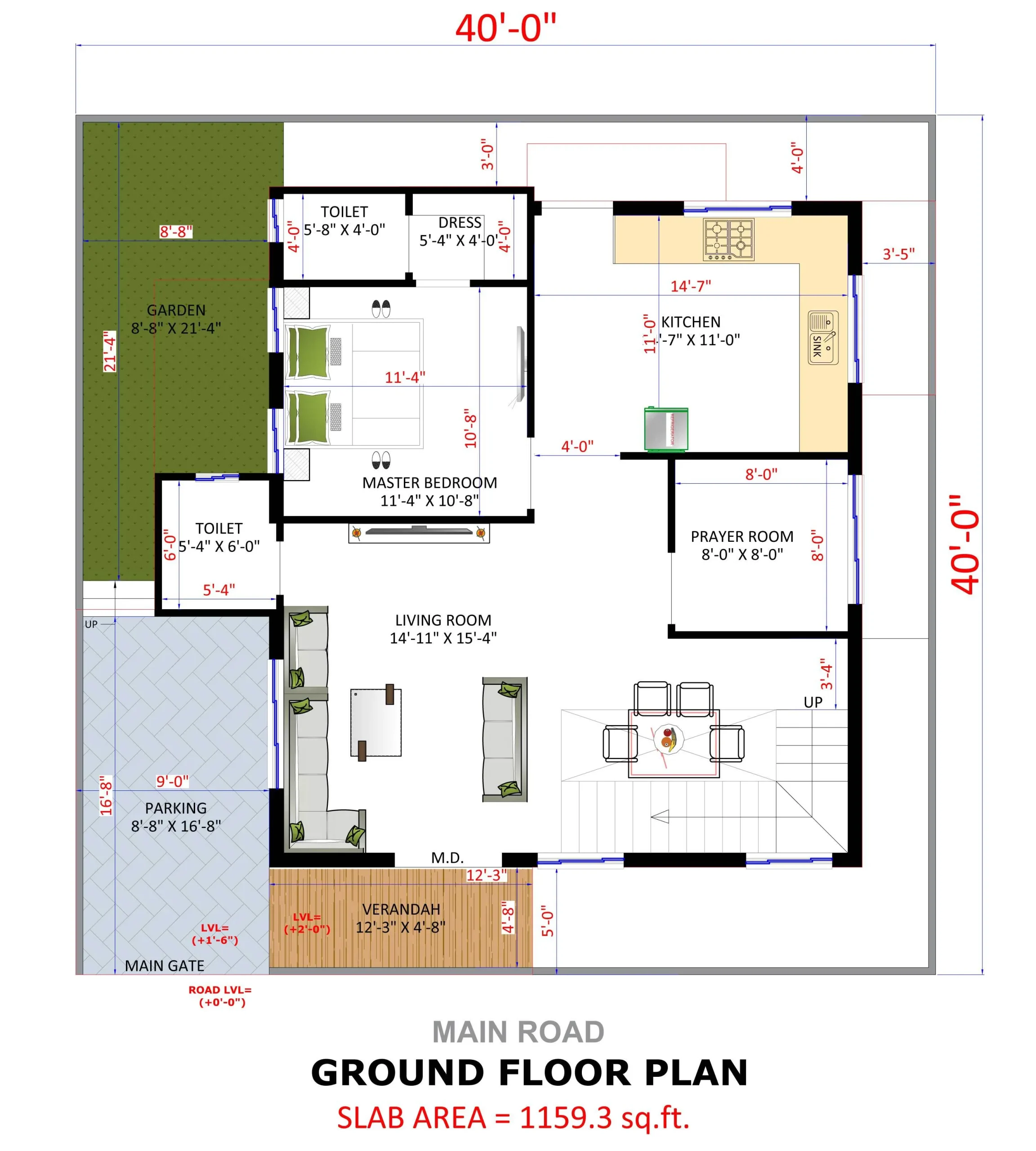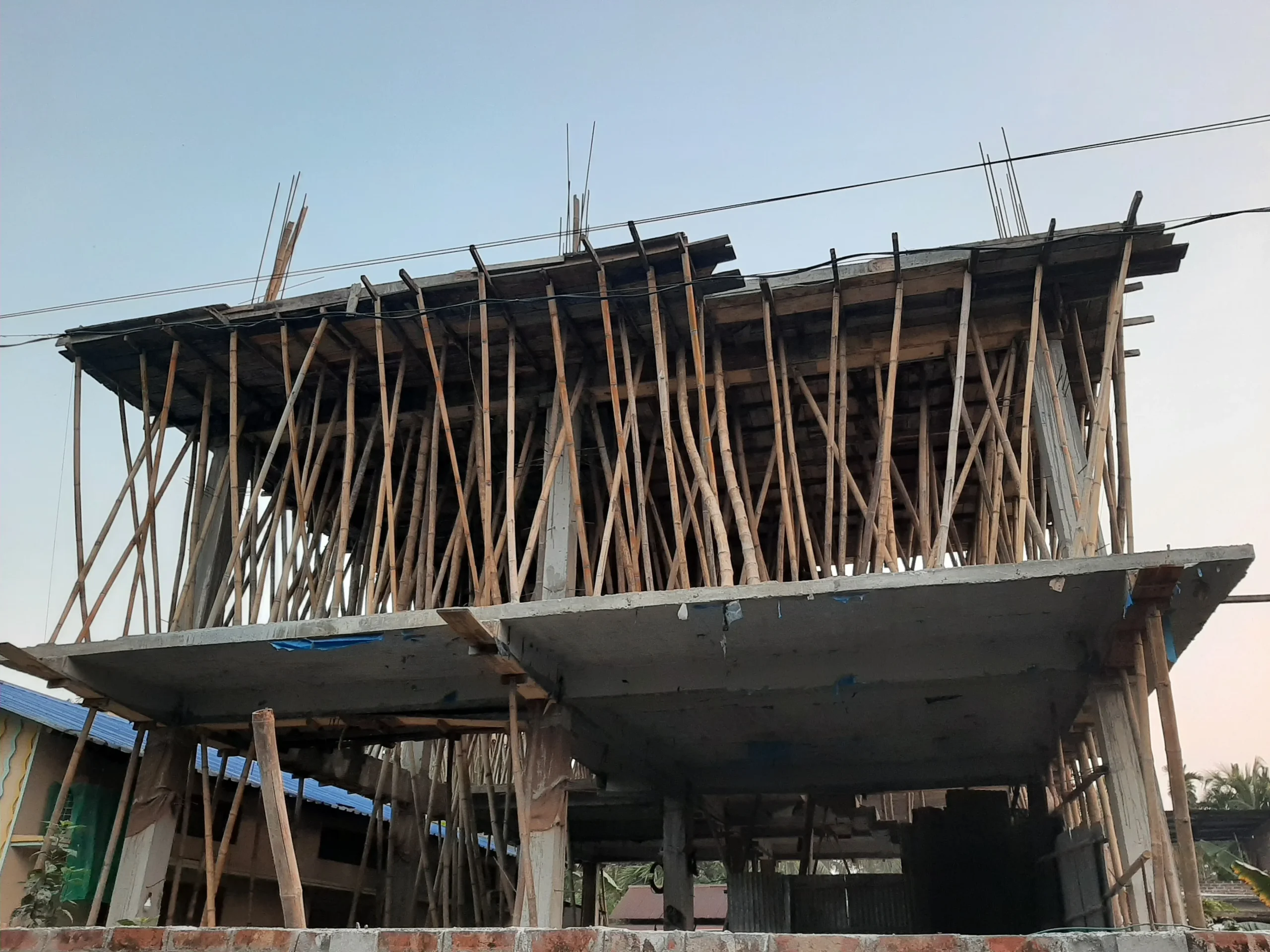
Building a house requires strong structural planning, but many homeowners unknowingly make mistakes like poor foundation design, weak reinforcement, and improper concrete curing. Understanding these common structural mistakes in residential construction helps ensure a safer, stronger home and prevents costly repairs in the future.
Many homeowners realize structural mistakes only after the house is already built. Cracks appear on walls. Doors stop closing properly. Water starts seeping during the monsoon. And then comes the painful thought: “If only we had checked this during construction.”
I have personally seen several homes where the structure looked fine from outside, but inside there were small mistakes that slowly turned into expensive problems. Most of these issues were not because of bad intentions. They happened because basic structural checks were ignored during construction.
When building a home, people usually focus on tiles, paint, and interiors. But the real strength of a house lies in the structure the foundation, columns, beams, and slab.
Understanding Common Structural Mistakes in Residential Construction can help homeowners avoid long-term damage, costly repairs, and safety risks.
Let’s break this down in a practical and easy way.
What Are Structural Mistakes in Residential Construction?
Structural mistakes happen when the load-bearing parts of a building are poorly designed, poorly executed, or not checked properly during construction.
These mistakes usually involve:
- Weak foundations
- Incorrect column placement
- Improper beam design
- Poor quality materials
- Lack of structural supervision
Sometimes the problem is not visible immediately. The house may look perfectly fine for a year or two. But over time, issues like cracks, uneven floors, or water leakage start appearing.
One thing I always say to homeowners is this:
A house should be strong first, beautiful later.
No interior design can fix structural damage.
Step-by-Step Structural Planning for a Safe House
Understanding how a structure should ideally be planned helps in identifying mistakes early.
Proper Soil Testing Before Construction
This step is often skipped in residential construction.
Many people assume that if neighboring houses exist, soil testing is not necessary. But soil conditions can vary even within the same street.
- Soil testing helps determine:
- Soil bearing capacity
- Type of foundation required
- Depth of foundation
I once visited a construction site where the soil was loose clay, but the builder used a shallow foundation. Within two years, the house developed visible wall cracks.
A simple soil test could have prevented that.
Correct Foundation Design
The foundation carries the entire load of the house.
Common foundation types include:
- Isolated footing
- Combined footing
- Raft foundation
The type depends on soil strength and building load.
A common mistake is reducing foundation size to save cost. This is risky because the foundation distributes the load to the ground.
If the foundation is weak, the entire building becomes vulnerable.
Proper Column Placement
- Columns are the vertical support system of the building.
- Incorrect column placement can cause:
- Uneven load distribution
- Weak structural support
- Structural cracks later
In some houses, columns are placed based on room layout rather than structural logic.
That is a mistake.
Columns must be planned by a structural engineer, not adjusted randomly during construction.
Strong Beam and Slab Design
Beams connect columns and distribute the load across the structure.
If beams are undersized or poorly reinforced, the slab may develop cracks.
Typical mistakes include:
- Using less steel reinforcement
- Incorrect beam depth
- Improper concrete mixing
I once inspected a house where slab cracks appeared within a year. Later we discovered that the contractor had reduced the steel quantity to cut costs.
This kind of shortcut can weaken the structure.
Real Construction Mistakes I Have Seen on Sites
After visiting several residential construction sites, a few mistakes appear again and again.
- Poor Concrete Mixing
- Concrete strength depends on proper mixing.
- Common issues include:
- Too much water in the mix
- Incorrect cement ratio
- Poor curing after casting
- Excess water weakens concrete.
Contractors sometimes add extra water to make concrete easier to work with, but this reduces strength.
Lack of Proper Curing
Curing means keeping concrete moist for several days after pouring.
This process allows concrete to gain strength.
If curing is ignored:
- concrete becomes weak
- Surface cracks appear
- Concrete should ideally be cured for at least 7 to 14 days.
I have seen houses where curing stopped after just 2 days. Later, hairline cracks started showing on the slab.
Poor Reinforcement Placement
Steel reinforcement must be placed correctly inside beams, slabs, and columns.
Common mistakes include:
- Wrong spacing of steel bars
- Improper binding of reinforcement
- Steel touching the shuttering
Steel must remain inside the concrete cover layer to prevent corrosion.
When this is ignored, steel may rust over time, weakening the structure.
Practical Structural Tips for Homeowners
Even if you are not a technical expert,
there are a few simple checks you can follow.
Always Hire a Structural Engineer
Architects design layouts, but structural engineers design strength.
Never skip structural drawings.
Check Reinforcement Before Concrete Pouring
Before the slab or beam is cast, take a moment to inspect the steel arrangement.
If possible, ask the engineer to visit the site before pouring concrete.
Monitor Concrete Curing
Ensure that curing continues for several days.
This simple step improves concrete strength.
Avoid Last-Minute Structural Changes
Changing room sizes or removing columns during construction can damage the structural balance.
Any change should be approved by the structural engineer.

Common Structural Mistakes in Residential Construction
Here are some of the most frequent mistakes homeowners should watch for.
Skipping Structural Drawings
Some builders rely only on architectural drawings.
This can lead to incorrect load calculations.
Reducing Steel Quantity
Steel reinforcement is often reduced to cut costs.
This weakens beams and slabs.
Using Low-Quality Materials
Cheap cement, poor steel quality, and weak aggregates can affect structural strength.
Ignoring Expansion Joints
Large buildings need expansion joints to handle temperature changes.
Without them, cracks may appear.
Poor Site Supervision
Even a good design can fail if construction is not supervised properly.
Regular site checks are important.
Warning Signs of Structural Problems
If a house already exists, these signs may indicate structural issues.
- Diagonal cracks on walls
- Uneven floors
- Doors and windows not closing properly
- Visible beam or slab cracks
- Water leakage from roof slabs
If these problems appear, it is wise to consult a structural expert.
Early detection can prevent major damage.
FAQs
What is the most common structural mistake in house construction?
One of the most common mistakes is poor foundation planning, often due to skipping soil testing.
Is soil testing really necessary for residential houses?
Yes. Soil testing helps determine the correct foundation type and depth.
Can reducing steel reinforcement cause structural problems?
Yes. Steel reinforcement is essential for structural strength. Reducing it can weaken beams and slabs.
How long should concrete curing be done?
Concrete should ideally be cured for 7 to 14 days to achieve proper strength.
Who is responsible for structural design?
A structural engineer should design the structural system of a building.
Are wall cracks always structural problems?
Not always. Some cracks are cosmetic, but large diagonal cracks may indicate structural issues.
Can structural mistakes be fixed later?
Some minor issues can be repaired, but major structural mistakes are difficult and expensive to fix.
Conclusion
Understanding Common Structural Mistakes in Residential Construction can save homeowners from serious problems later.
A house is not just about attractive interiors or stylish designs. Its real strength lies in the structure hidden inside the walls.
From proper soil testing to correct reinforcement placement, every step matters.
I have personally seen houses perform well for decades simply because the structure was planned and executed properly. At the same time, I have also seen homes develop problems within a few years because basic structural checks were ignored.
If you are building a home, take time to ensure the structure is done correctly. Consult professionals, supervise construction, and never compromise on structural quality.
A strong structure means peace of mind for generations.