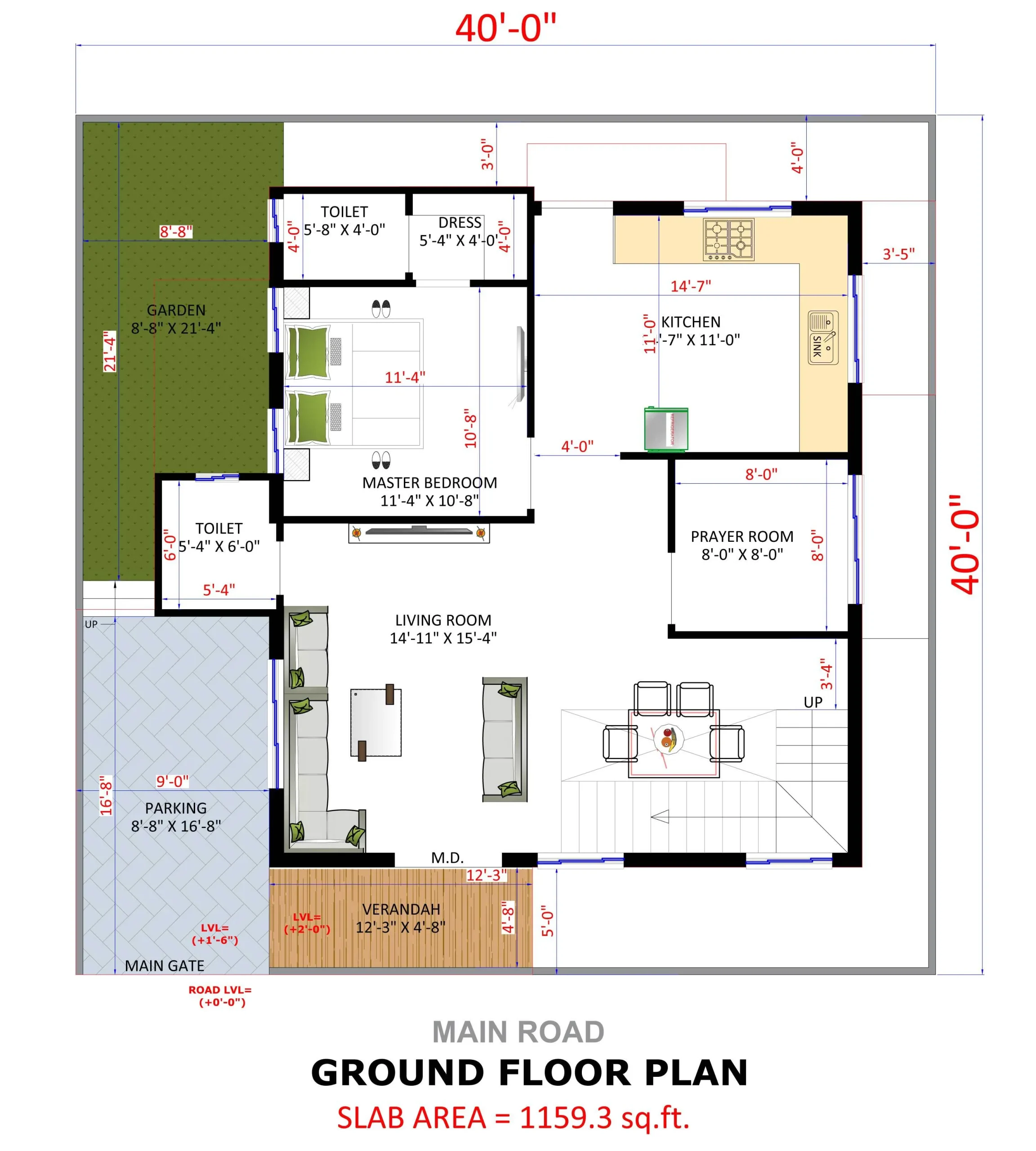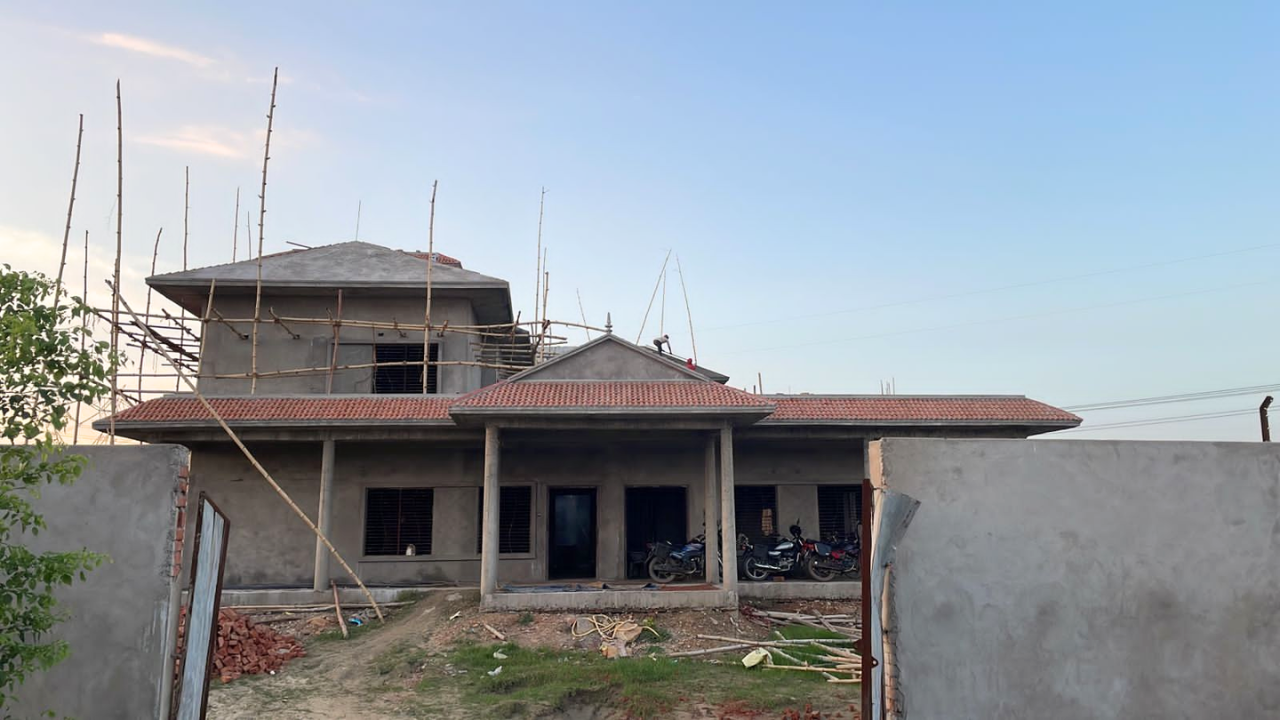
You read blogs. You watch YouTube videos. You compare contractors. Home Construction Site Mistakes make when construction starts, things go wrong.
We have personally seen engineers, bankers, IT professionals – very educated people – make basic site mistakes. Not because they are careless. But because construction looks simple from outside.
Ground reality is different.
These 10 site mistakes even educated homeowners make can increase cost, delay work, and create long-term problems. Let’s talk honestly about them.
Why Home Construction Site Mistakes Happen Even After Proper Planning
Most homeowners think:
“I have the drawing. Contractor is experienced. Work will go smoothly.”
But site work is daily coordination.
Small decisions taken casually become permanent structure later.
Once slab is cast, you cannot undo it easily.
That’s why understanding these 10 site mistakes even educated homeowners make is important before you start.

1. Starting Construction Without Finalizing All Drawings
Many people finalize floor plan but ignore:
- Electrical layout
- Plumbing layout
- Staircase details
- Door window sizes
- Structural drawings
Later, electrician asks, “Switch board kahan chahiye?”
Plumber asks, “Geyser point final hai?”
Changes during construction cost more.
Tip:
Before excavation starts, freeze architectural + structural + electrical drawings.
2. Ignoring Soil Testing
We have seen homeowners skip soil testing to save ₹15,000–₹25,000.
Then foundation depth becomes guesswork.
If soil is weak, cracks may appear later.
Soil test gives clarity about:
- Bearing capacity
- Water table level
- Required foundation type
It’s a small investment. Big safety benefit.
3. Choosing Contractor Only Based on Lowest Quote
This is one of the most common site mistakes.
Lowest quote often means:
- Lower grade materials
- Less steel
- Thin slab
- Poor supervision
We’ve seen cases where steel quantity was reduced silently.
Later, homeowner regrets.
Always compare BOQ line by line. Not just per sq ft rate.
4. Not Visiting Site Regularly
Some homeowners think:
“Contractor dekh lega.”
No.
Even good contractors need supervision.
Visit site at least:
- During foundation
- During slab casting
- Before plaster
- Before waterproofing
Your presence keeps everyone alert.
5. Changing Layout Midway
This is expensive.
Example:
- Moving staircase after foundation
- Shifting bathroom wall
- Adding extra balcony
Every change means:
- Breaking
- Extra material
- Extra labor
And structural impact too.
Freeze plan before work starts.

6. Ignoring Waterproofing
Waterproofing is invisible. That’s why people ignore it.
Later, leakage starts in:
- Bathrooms
- Terrace
- Balcony
Repairing leakage after tiles is painful and costly.
Always ensure:
- Proper bathroom waterproofing
- Terrace chemical coating
- External wall protection
We personally advise double-checking terrace work.
7. Not Checking Material Quality
You don’t need to be an engineer.
But you should check:
- Cement brand
- Steel brand
- Brick quality
- Sand type
Ask for bills.
We once saw a site where local cement bags were used instead of agreed brand.
Homeowner didn’t notice.
Be aware.
8. Poor Electrical Planning
Later you realize:
- No plug near bed
- No AC point in right place
- Switch board behind wardrobe
Electrical layout should match furniture planning.
Always finalize furniture layout before electrical wiring.
9. No Budget Buffer
Construction cost rarely stays exact.
Steel rate changes.
Cement rate fluctuates.
Always keep 5–10% buffer.
Without buffer, finishing quality suffers.
10. Focusing Only on Elevation, Ignoring Function
Many homeowners spend heavily on elevation design.
But ignore:
- Ventilation
- Natural light
- Storage space
- Room proportions
Beautiful front is good.
But daily comfort matters more.
A well-planned simple home feels better than a fancy but uncomfortable one.
Step-by-Step Way to Avoid These Home Construction Site Mistakes
Here is a simple practical approach:
Step 1: Finalize Complete Design Package
Architectural + structural + electrical + plumbing drawings.
Step 2: Do Soil Test
Get foundation clarity.
Step 3: Take Detailed BOQ
Check material specification in writing.
Step 4: Fix Budget with 10% Buffer
Be realistic.
Step 5: Visit Site Weekly
Even 20 minutes visit helps.
Step 6: Freeze Layout Before Construction
No emotional changes mid-way.
Real Experience Tips (From Ground Reality)
✔ Don’t finalize tiles in showroom lighting only.
✔ Stand inside room during brickwork to feel size.
✔ Check slope in bathrooms before tiles.
✔ Ask contractor about curing process.
✔ Don’t rush slab casting without checking reinforcement.
Construction is permanent. Small negligence stays forever.
Common Mistakes to Avoid
- Trusting verbal commitments
- Ignoring written agreements
- Skipping site photos documentation
- Delaying material selection
- Paying large advance without stage verification
Stay involved. Stay informed.
FAQs – 10 Home Construction Site Mistakes Even Educated Homeowners Make
1. Why do educated homeowners still make site mistakes?
Because construction requires practical experience, not just theoretical knowledge.
2. Is soil testing mandatory?
In many areas it’s strongly recommended. It ensures safe foundation design.
3. How often should I visit my construction site?
At least once a week, and during critical stages like slab casting.
4. How much buffer budget is safe?
Keep minimum 5–10% extra.
5. Should I hire a site supervisor separately?
If you cannot visit regularly, yes. It helps.
6. What is the biggest site mistake?
Changing layout after construction starts.
7. Can poor waterproofing be fixed later?
Yes, but repair cost is much higher than doing it correctly initially.
8. Is lowest contractor always risky?
Not always. But verify specifications carefully.
Final Thoughts for Home Construction Site Mistakes
Building your own house is emotional. It’s years of savings.
These 10 site mistakes even educated homeowners make are not about intelligence. They are about awareness.
Be involved.
Ask questions.
Freeze decisions early.
Check materials.
Smart supervision today prevents regret tomorrow.
Your home should give comfort – not stress.