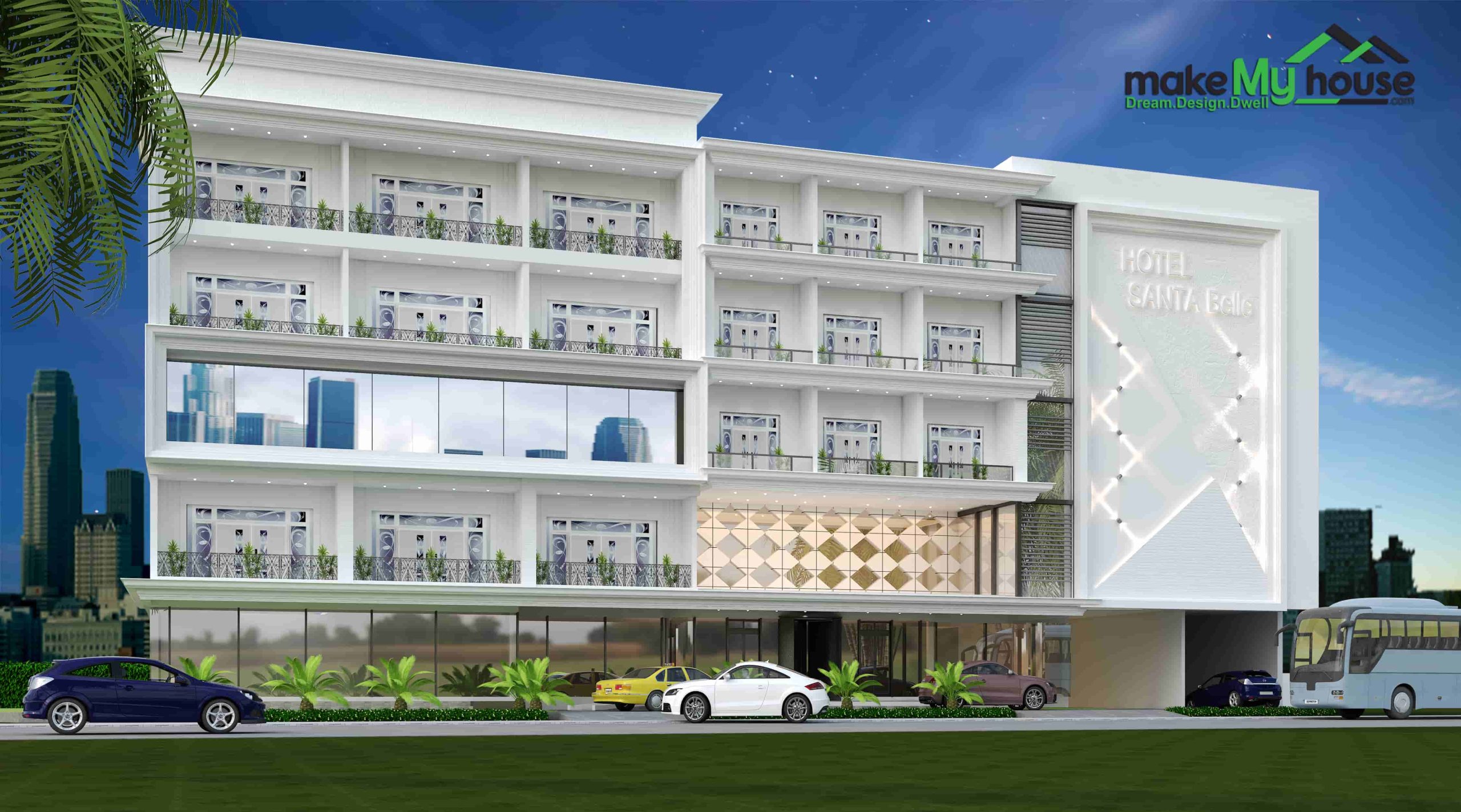
Introduction:
In architecture, the facade is not merely an outer layer it is the visual and emotional introduction to a building. Before users step inside, the exterior communicates purpose, quality, and values. This is precisely why facade design shapes building identity in such a powerful way.
Moreover, in today’s visually driven and competitive urban environment, buildings are judged instantly. Whether residential, commercial, or institutional, a well-designed facade influences perception, memory, and emotional connection. As a result, architects now treat facades as strategic tools that blend architectural psychology and branding into a single, impactful expression.
First Impressions Matter: How Facade Design Shapes Building Identity Instantly
Human psychology reacts to visual stimuli within seconds. Consequently, the facade becomes the first interaction point between a building and its audience. This is where facade design shapes building identity even before functionality is experienced.
A strong facade creates:
- Immediate trust and credibility
- Emotional comfort or excitement
- Clear communication of building purpose
For instance:
- Solid stone or concrete facades suggest stability and trust
- Transparent glass facades express openness and innovation
- Textured residential facades evoke warmth and belonging
Therefore, first impressions formed by facades are not accidental they are carefully designed psychological responses.
Architectural Psychology: How Facade Design Shapes Building Identity Through Human Behavior
Architectural psychology explains how built forms influence emotions and actions. When applied correctly, facade design shapes building identity by guiding how people feel around and within a structure. For instance, balanced proportions create a sense of comfort, while thoughtful openings improve approachability. Additionally, visual harmony in facade elements reduces stress and encourages positive interaction. As a result, people feel more connected, secure, and engaged with the built environment.
Key psychological elements include:
- Scale and proportion that respect human dimensions
- Rhythm and repetition that bring visual comfort
- Transparency and light that reduce mental barriers
Furthermore, facades with balanced proportions feel approachable, while oversized blank walls often feel cold or intimidating. Hence, psychology-driven facade design creates buildings that people naturally connect with.
Color, Texture, and Materials: How Facade Design Shapes Building Identity Emotionally
Material and color selection play a subconscious yet decisive role. In fact, facade design shapes building identity largely through sensory perception. Textures, finishes, and hues immediately trigger emotional responses such as warmth, trust, or sophistication. Moreover, consistent material language helps users associate the building with quality and purpose. Consequently, these visual cues strengthen recognition and long-term recall of the structure.
Color psychology influences mood:
- Warm tones create comfort and energy
- Cool shades convey calm and professionalism
- Neutral palettes suggest elegance and longevity
Material choices communicate quality:
- Stone and concrete imply permanence
- Glass signals transparency and modernity
- Metal panels represent precision and technology
As a result, thoughtful material combinations strengthen emotional engagement and perceived value.

Branding Architecture: How Facade Design Shapes Building Identity for Businesses
In branding, consistency creates recognition and architecture follows the same rule. This is why facade design shapes building identity as a physical extension of brand values. Through repeated use of specific materials, colors, and forms, buildings become instantly recognizable. Furthermore, a consistent facade language builds trust and credibility over time. As a result, the structure communicates the brand story even without signage or logos.
Corporate facades often reflect:
- Innovation through sleek, minimal forms
- Luxury through refined detailing and premium materials
- Trust through symmetry and disciplined geometry
Over time, such facades become visual signatures. In other words, the building itself turns into a three-dimensional brand logo within the cityscape.
Retail and Hospitality:
Retail and hospitality spaces rely heavily on attraction and recall. Therefore, facade design shapes building identity by creating curiosity and emotional pull. Eye-catching lighting, transparency, and textures invite people to pause and explore the space. Additionally, a distinctive facade helps the brand stand out in crowded commercial zones. As a result, visitors are more likely to remember and revisit the place.
Effective retail facades include:
- Integrated lighting and signage
- Transparent storefronts
- Textures that invite engagement
Meanwhile, iconic hotel facades often become landmarks, strengthening brand recall and customer loyalty. Thus, exterior design directly influences business success.
Cultural Context in Indian Architecture:
In a culturally rich country like India, context matters deeply. When done thoughtfully, facade design shapes building identity by blending modern aesthetics with local traditions. Elements inspired by regional art, climate-responsive features, and traditional patterns add cultural depth. Moreover, such facades create a strong sense of place and belonging. As a result, buildings feel rooted, authentic, and visually meaningful rather than generic.
Contextual elements include:
- Jaali screens for shading and heritage reference
- Climate-responsive overhangs
- Local materials like stone or terracotta
- Patterns inspired by regional art
Consequently, such facades feel authentic rather than generic, creating stronger emotional resonance.
Residential Architecture at Home:
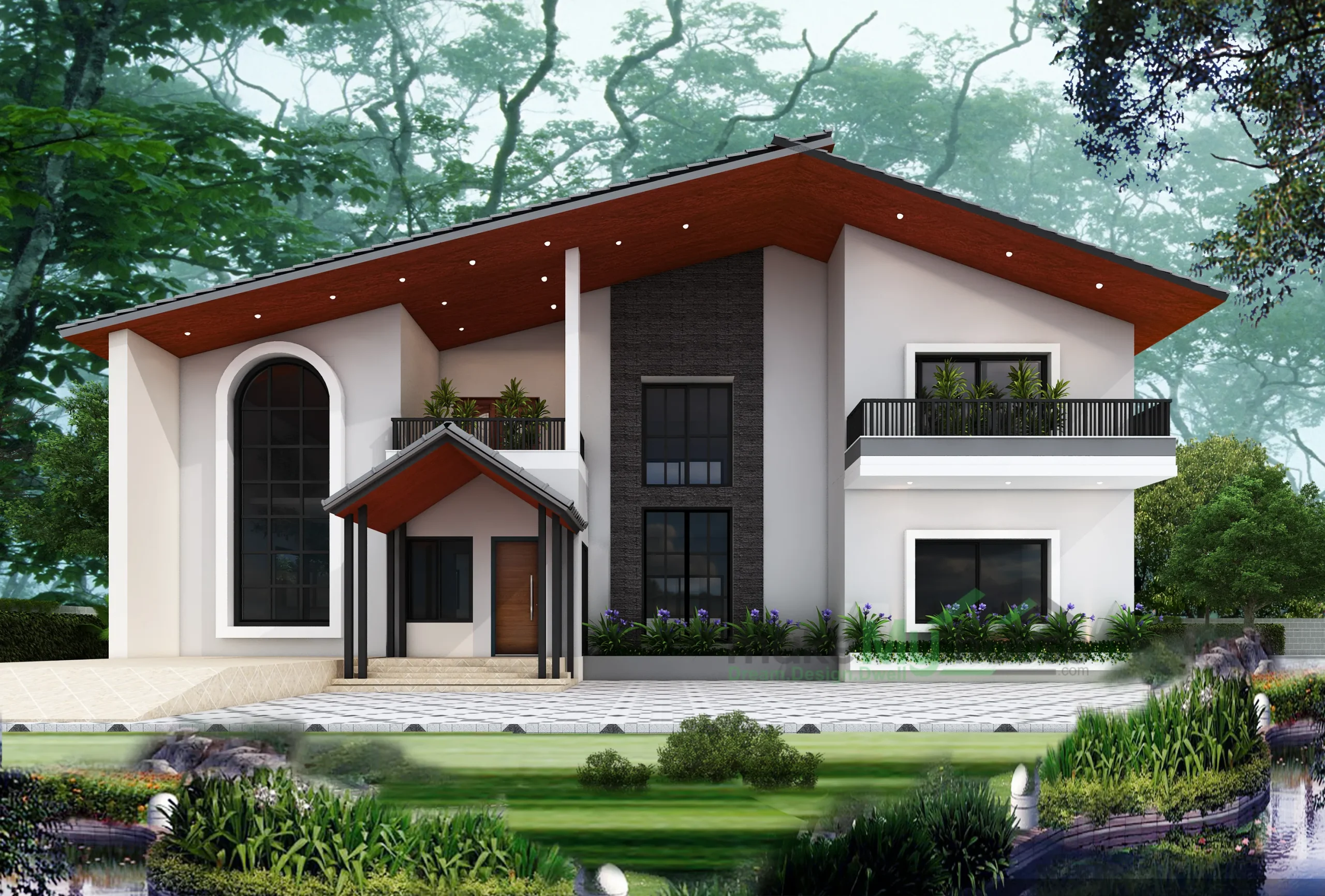
In residential design, emotional connection is everything. Homeowners associate pride and identity with the external appearance of their house. Therefore, facade design shapes building identity on a personal level. Thoughtful details like balconies, textures, and color choices make homes feel inviting and lived-in. Additionally, a well-designed facade reflects the lifestyle and personality of its occupants. As a result, residents develop a stronger emotional bond with their home.
Key residential facade features:
- Balanced privacy and openness
- Warm textures and human-scale details
- Balconies, planters, and shading elements
Ultimately, a well-designed residential facade enhances community character and long-term satisfaction.
Urban Impact: How Facade Design Shapes Building Identity at City Scale
Collectively, facades define streets, skylines, and city identity. Hence, facade design shapes building identity not just individually, but at an urban level. Well-articulated facades enhance walkability and visual interest along streets. Moreover, cohesive material and design language creates harmony within the urban fabric. As a result, cities feel more vibrant, memorable, and people-centric.
Architects influence:
- Street-level interaction
- Visual continuity
- Landmark recognition
As a result, memorable facades contribute to tourism, investment, and civic pride.
Lighting & Sustainability:
Facade design does not end at daylight. Night-time lighting transforms perception and branding. At the same time, sustainability has become a powerful identity marker. Subtle architectural lighting highlights form and texture while enhancing safety and visibility. Additionally, energy-efficient systems and green facade elements reflect environmental responsibility. As a result, buildings project a progressive, future-ready identity both day and night.
Modern facade strategies include:
- Energy-efficient glazing
- Passive shading systems
- Green walls and vertical gardens
- Subtle architectural lighting
Thus, facade design shapes building identity as responsible, forward-thinking, and future-ready.
Common Mistakes That Weaken How Facade Design Shapes Building Identity
Despite good intentions, identity often gets diluted due to:
- Excessive materials without coherence
- Blindly copying trends
- Ignoring climate orientation
- Poor detailing and maintenance planning
Strong identity comes from clarity, not complexity.
Conclusion:
Facade design lies at the intersection of architecture, psychology, and branding. When executed thoughtfully, facade design shapes building identity by communicating purpose, values, and emotion.
For architects and developers, facades are not just surfaces they are storytelling tools. When designed with intention, they transform buildings into memorable identities, urban landmarks, and lasting impressions within the built environment.
FAQs:
1. Why is facade design important in architecture?
Facade design creates the first impression and strongly influences how a building is perceived emotionally and visually.
2. How does facade design shape building identity?
Facade design shapes building identity by expressing purpose, values, and brand image through form, materials, and colors.
3. Can facade design impact branding for commercial buildings?
Yes, a well-designed facade acts as a physical brand representation and improves recognition and recall.
4. What materials are best for impactful facade design?
Materials like stone, glass, metal, and sustainable elements enhance durability, quality, and visual appeal.
5. Does facade design affect user experience?
Absolutely. Facade design influences comfort, trust, accessibility, and emotional connection with the building.