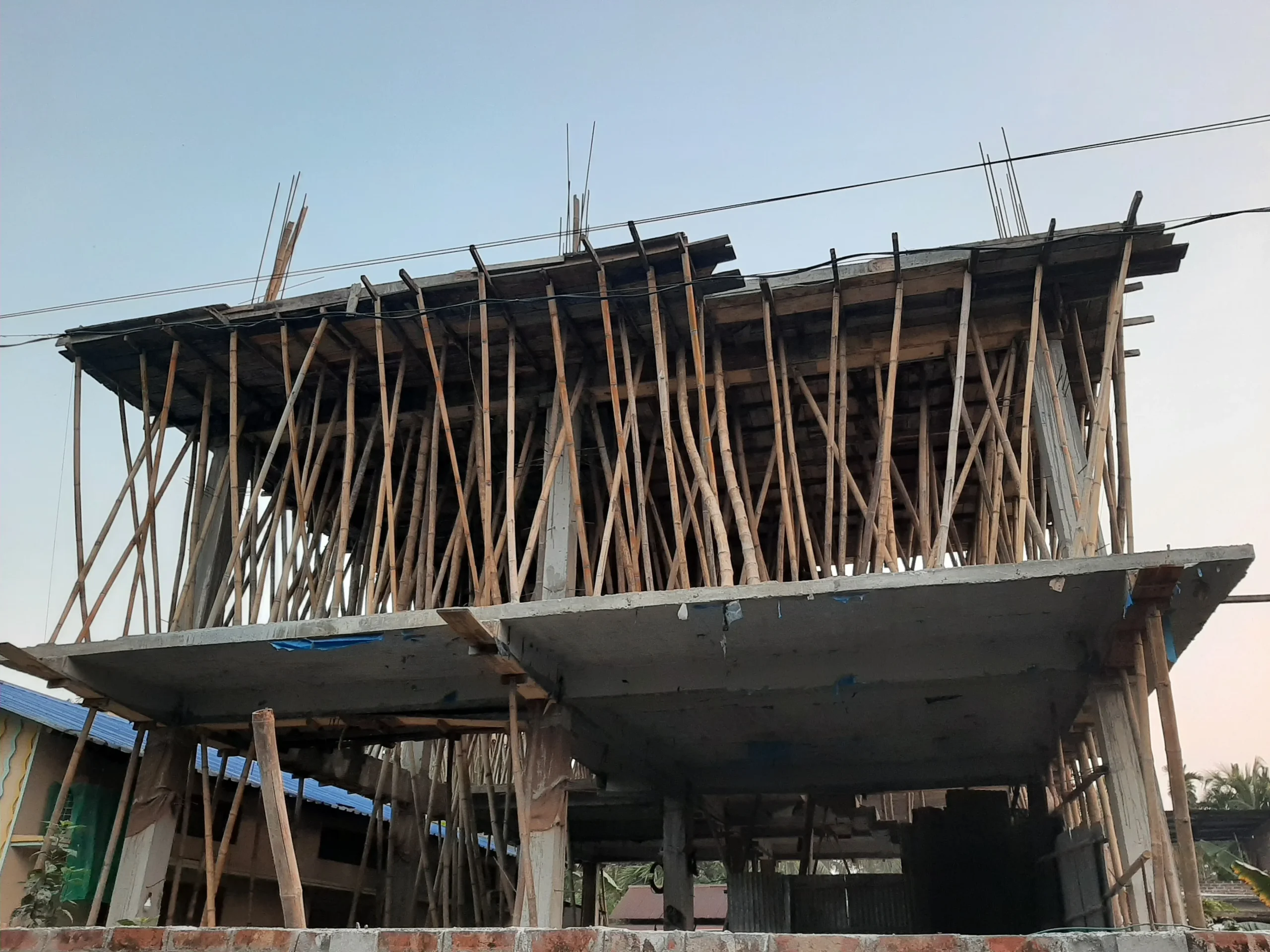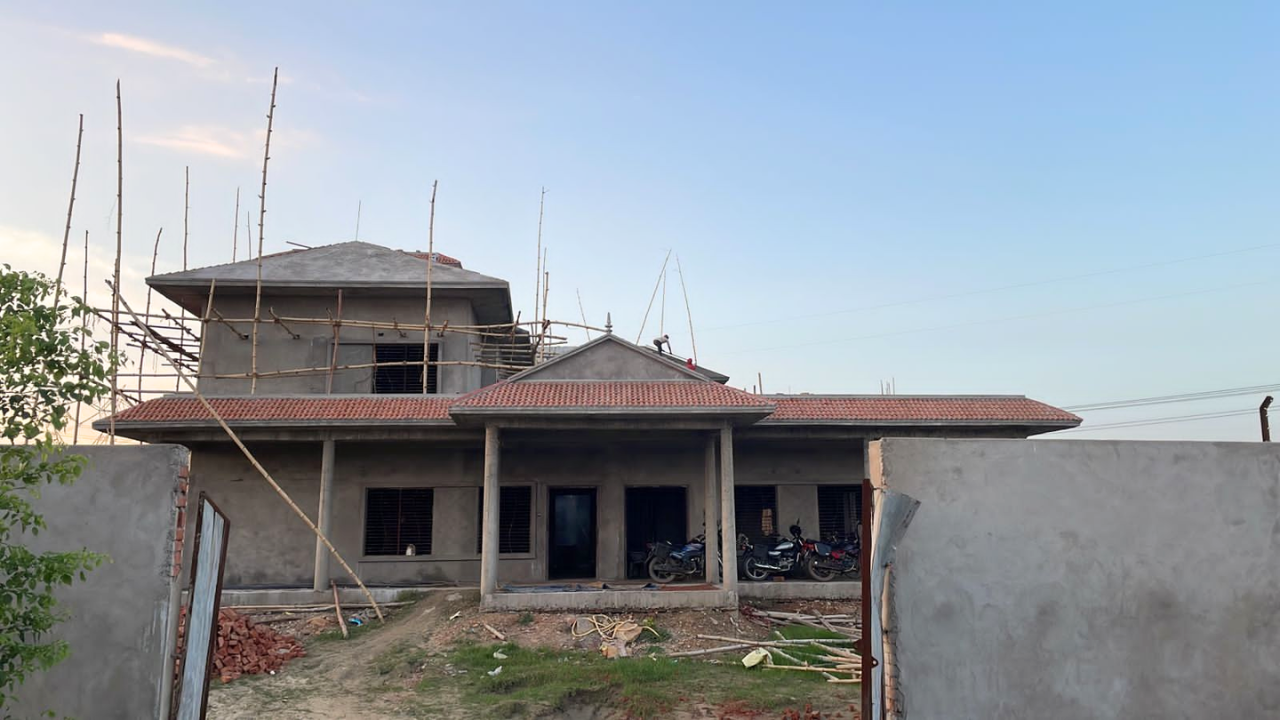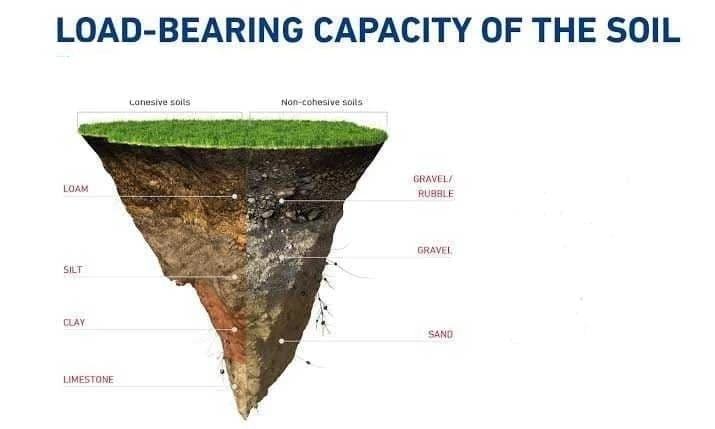
Soil type plays a crucial role in determining the structural design and foundation of a house. Different soils like clay, sand, or rock affect load-bearing capacity, stability, and construction methods. Proper soil testing before construction helps engineers choose the right foundation and prevents future structural problems.
You buy a plot. The location is good. The road is wide. Everything looks perfect.
Then the construction starts. Within a few months the contractor says something unexpected:
“The soil here is weak. We need a different foundation.”
Suddenly the cost changes. The design changes. And sometimes the entire planning has to be adjusted.
This happens more often than people realize. Many homeowners focus only on the floor plan, elevation design, and interiors, but the real strength of a house begins below the ground.
The soil under your plot directly affects the foundation type, structural stability, safety, and even construction cost.
I have seen projects where two houses in the same area needed completely different foundations just because the soil quality was different.Understanding how soil type impacts structural design of a house helps homeowners make smarter decisions before construction begins.
Why Soil Type Matters in House Construction
A house may look strong from the outside, but its safety depends on how well the foundation interacts with the soil.
The soil carries the entire load of the building. If the soil is strong, the load spreads easily. If the soil is weak, the structure can settle unevenly.
This uneven settlement can cause:
- Cracks in walls
- Uneven floors
- Door and window misalignment
- Structural damage over time
In some extreme cases, the building may even tilt slightly.I once visited a house where the owner complained about cracks appearing within two years of construction. After inspection, the issue was clear. The soil investigation was skipped, and the foundation depth was not suitable for that soil type.
That small mistake created long-term repair problems.
What Is Soil Testing Before Construction?
Before starting construction, engineers often recommend a soil test or geotechnical investigation.
This test helps determine:
- Soil strength
- Load-bearing capacity
- Soil composition
- Groundwater level
- Soil settlement behavior
- These factors guide the structural engineer in choosing the right foundation type and structural design.
Skipping soil testing may save a little money initially, but it can lead to much bigger costs later.
Common Types of Soil in Residential Plots
Different soils behave differently under load. Some provide strong support, while others require special foundation designs.
Let’s look at the most common soil types found in residential areas.

Sandy Soil
Sandy soil consists of loose particles and drains water quickly.
Characteristics
- Good drainage
- Low moisture retention
- Moderate load-bearing capacity
- Impact on Structural Design
Sandy soil can support structures, but foundations must be designed carefully to prevent shifting.
In such soils, engineers often increase foundation width to distribute the building load evenly.
Proper compaction is also very important.
Clay Soil
Clay soil behaves very differently compared to sandy soil.
Characteristics
- Holds water easily
- Expands when wet
- Shrinks when dry
Impact on Structural Design
This expansion and shrinkage can cause foundation movement.
Over time this movement can create cracks in walls or floors.
To manage this issue, engineers may use:
- Deeper foundations
- Reinforced concrete foundations
- Proper drainage systems
I have seen houses built on clay soil perform well only when proper drainage was installed around the building.
Rocky Soil
Rocky soil is one of the strongest foundations for buildings.
Characteristics
- Very high load-bearing capacity
- Minimal settlement
- Excellent stability
Impact on Structural Design
In rocky soil areas, foundations can sometimes be shallower because the rock itself provides strong support.
However, excavation can be expensive due to hard rock layers.
Silt Soil
Silt soil is fine and smooth. It holds water better than sand but drains faster than clay.
Characteristics
- Medium load-bearing capacity
- Sensitive to water
- Can become unstable when saturated
- Impact on Structural Design
Structures built on silt soil require careful drainage planning to avoid water accumulation around foundations.
Filled Soil or Loose Soil
Sometimes plots are created by filling soil in low areas.
Characteristics
- Weak compaction
- Uneven settlement risk
- Low load-bearing capacity
- Impact on Structural Design
This type of soil requires special attention.
Engineers may recommend:
- Deep foundations
- Pile foundations
- Soil stabilization methods
Ignoring this can lead to serious structural problems later.
How Soil Type Affects Foundation Design
The foundation is the link between the building and the soil.
Different soils require different foundation approaches.
Shallow Foundations
Used when soil near the surface is strong enough to support the load.
Common examples:
- Isolated footing
- Combined footing
- Raft foundation
These are commonly used in residential construction.
Deep Foundations
Used when surface soil is weak.
In this case, the load is transferred to deeper, stronger layers.
Examples include:
- Pile foundation
- Pier foundation
These are more expensive but necessary in weak soil conditions.
Practical Steps Before Building a House
Homeowners can avoid many problems by following a few simple steps before construction begins.
Conduct a Soil Test
A basic soil test gives valuable information about soil strength and composition.
Consult a Structural Engineer
Architectural design is important, but structural safety is equally critical.
A structural engineer designs the foundation based on soil conditions.
Plan Proper Drainage
Water accumulation around foundations weakens soil strength.
Always include proper drainage systems around the building. Avoid Overloading the Structure
Adding extra floors without structural assessment can overload the soil and foundation.
Real Experience Tips from Construction Sites
After observing several construction projects, a few practical lessons stand out.
Never Skip Soil Testing
Many homeowners skip soil testing to reduce initial costs.
But when problems appear later, repair costs become much higher.
Always Match Foundation to Soil Type
Copying a neighbor’s foundation design may not work for your plot. Even nearby plots can have different soil characteristics. Watch for Groundwater Levels
High groundwater levels affect foundation stability.
Proper waterproofing and drainage become very important in such cases.

Common Structural Mistakes Related to Soil
Even well-designed houses can face issues if soil conditions are ignored. No Soil Investigation
This is one of the most common mistakes.
Without soil data, foundation design becomes guesswork.
Using Same Foundation Everywhere
Different soil conditions require different foundation designs.
Using a standard design everywhere is risky.
Poor Soil Compaction
Loose soil around foundations can settle over time.
Proper compaction during construction is essential.
Ignoring Water Drainage
Water weakens soil and increases foundation settlement.
Always provide drainage paths.
FAQs
Why is soil testing important before building a house?
Soil testing helps determine the load-bearing capacity of the soil and ensures the foundation is designed safely.
Can different soil types affect construction cost?
Yes. Weak soil may require deeper foundations or soil treatment, which increases construction cost.
Which soil type is best for building houses?
Rocky soil is generally considered the strongest because it provides excellent load-bearing capacity and stability.
What happens if a house is built on weak soil?
Weak soil can cause uneven settlement, cracks in walls, and long-term structural issues.
Is soil testing necessary for small houses?
Yes. Even small houses need proper foundation design based on soil conditions.
How deep should a house foundation be?
Foundation depth depends on soil type, building load, and groundwater conditions.
Can soil problems be fixed during construction?
Yes. Engineers can use techniques like soil compaction, deeper foundations, or soil stabilization to address weak soil conditions.
Conclusion
A house may look beautiful because of its design, but its true strength lies in the foundation and the soil beneath it.
Understanding how soil type impacts structural design of a house helps homeowners make informed decisions before construction begins.
From sandy soil to clay and rocky terrain, every soil behaves differently under building loads. Proper soil testing and structural planning ensure that the foundation is strong enough to support the structure safely for many years.
I have personally seen homes perform perfectly for decades when soil conditions were properly studied and foundation designs were done carefully.
When planning your dream home, always remember:
the strength of your house begins from the ground below.