Introduction:
In today’s competitive construction environment, how to reduce construction cost without compromising quality has become a crucial question for homeowners and builders alike. Construction budgets often spiral due to poor planning, material wastage, and inefficient execution. However, with the right strategy, we can achieve a strong, durable, and aesthetically pleasing structure without overspending.
Moreover, by implementing practical techniques and structured planning, we ensure that cost reduction never affects structural integrity. Therefore, we focus on smart design, efficient resource use, and quality control. As a result, projects stay within budget while delivering long-term value. In this guide, we outline powerful methods that help us build economically yet professionally.
Smart Planning: The Foundation of Cost Efficiency
(Plan Early to Reduce Construction Cost Without Compromising Quality)
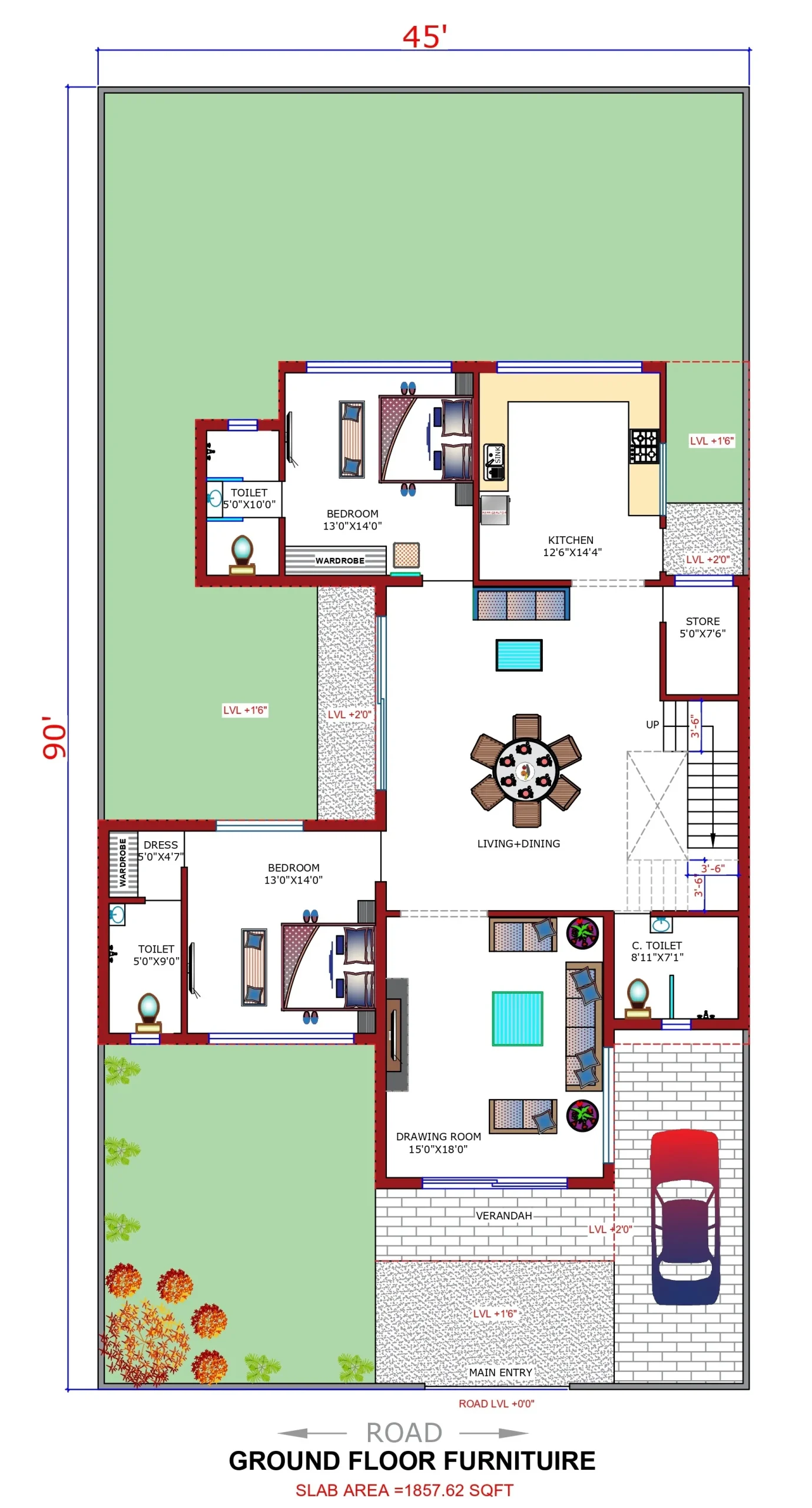
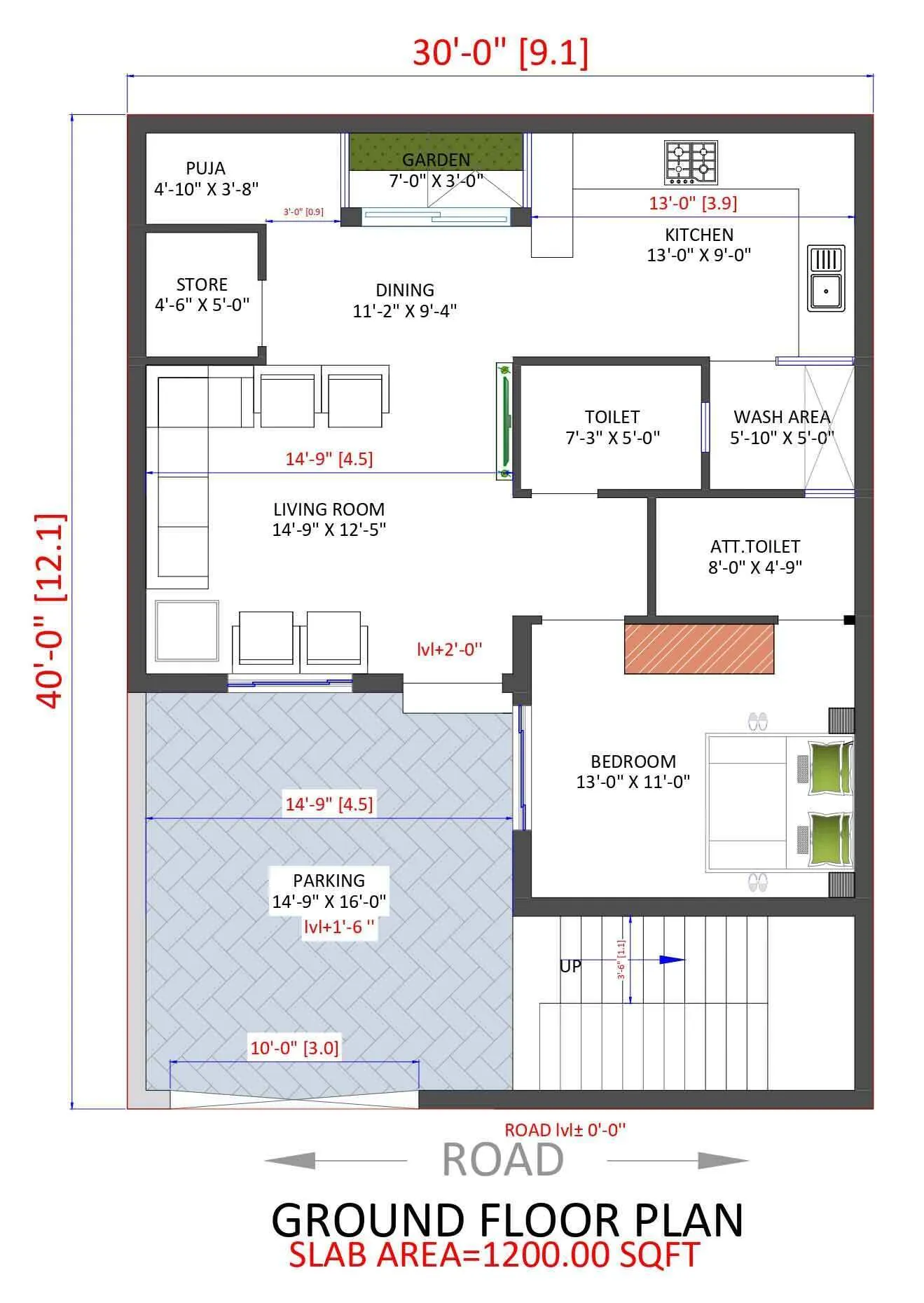
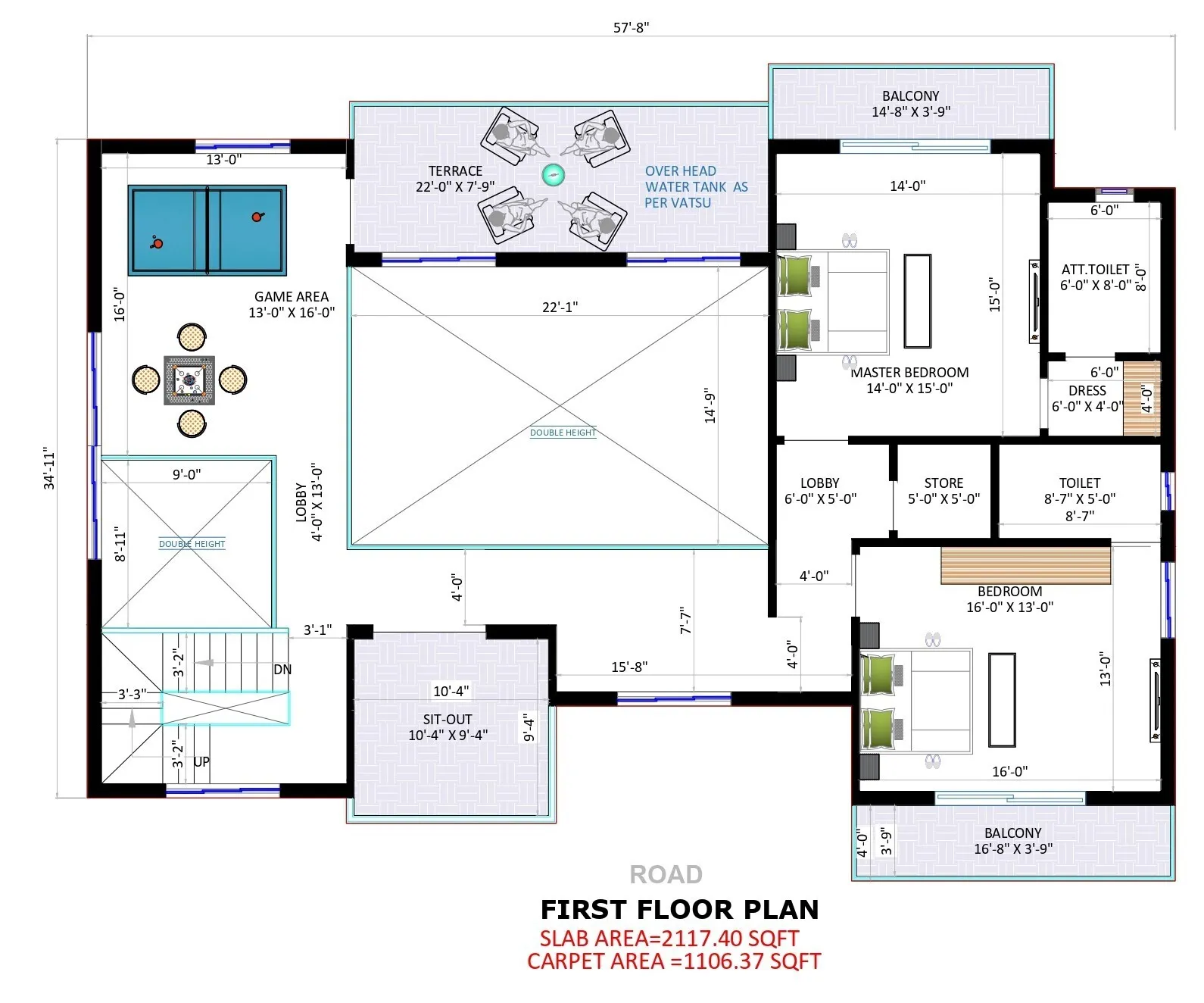
Effective planning is the backbone of every successful construction project. When we prepare detailed drawings, accurate measurements, and precise budgets beforehand, we prevent unexpected expenses. Additionally, early planning helps us identify cost-saving opportunities before construction begins.
Furthermore, we recommend finalizing layouts, elevations, and structural designs in advance. This reduces mid-project changes that often increase labor and material costs. Consequently, projects progress smoothly and remain financially controlled.
Key Planning Tips:
- Finalize floor plans before construction begins
- Prepare a detailed cost estimation sheet
- Avoid last-minute design changes
- Choose experienced professionals
- Set a realistic timeline
Also read: Why Architects Play a Key Role in Building Your Dream Home
Efficient Design Choices for Budget Control
(Design Optimization to Reduce Construction Cost Without Compromising Quality)
A compact and efficient design significantly lowers construction expenses. Instead of oversized layouts, we focus on functional spaces that maximize usability. Additionally, simple structural designs reduce material and labor costs while maintaining strength.
For instance, rectangular layouts are more economical than complex shapes. Similarly, aligning walls vertically across floors saves structural costs. As a result, we achieve better durability with fewer resources.
Design Optimization Strategies:
- Use standard room sizes
- Avoid unnecessary projections
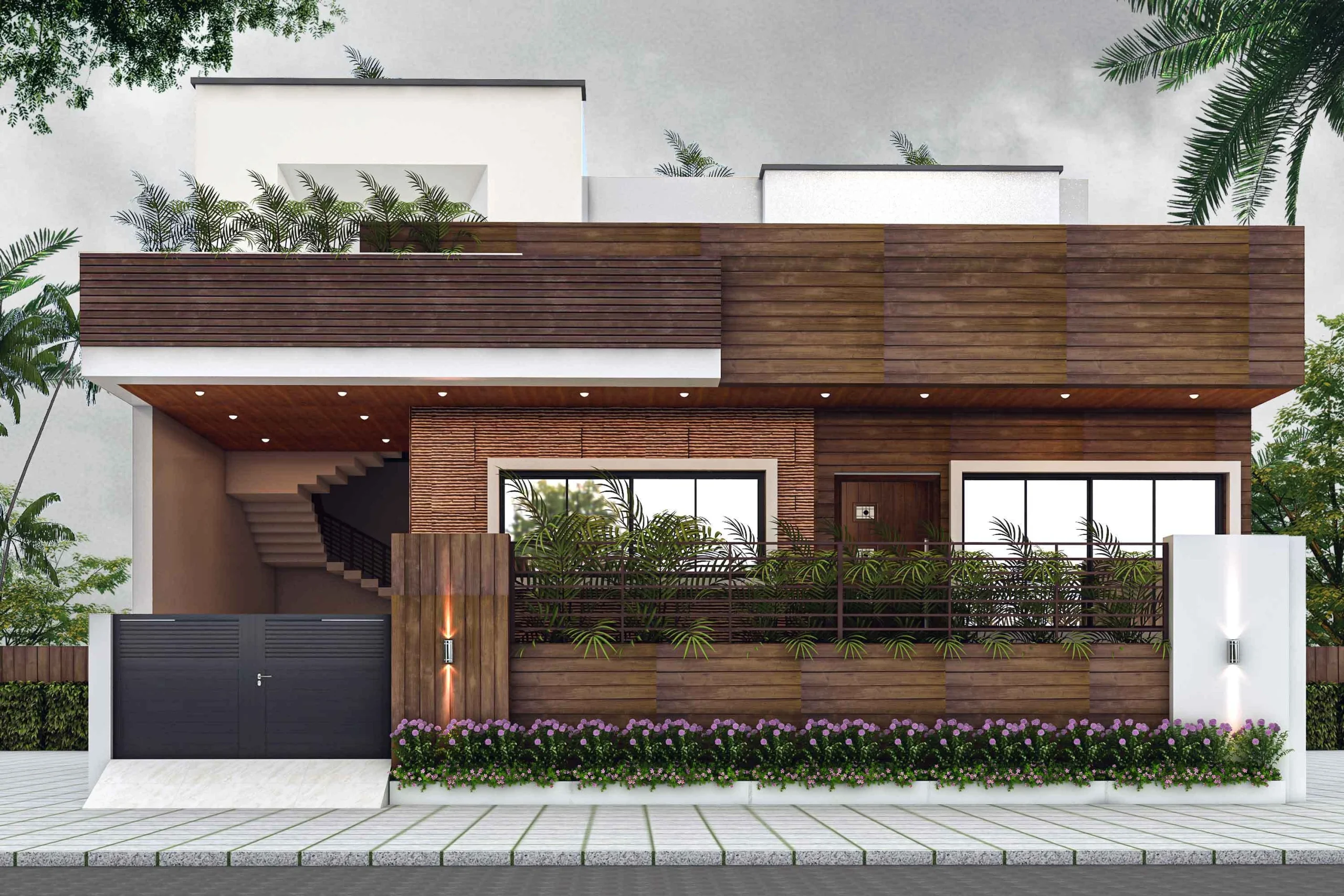
- Opt for simple elevation designs
- Maintain uniform column alignment
- Plan natural lighting and ventilation

Material Selection That Saves Money
(Choosing the Right Materials to Reduce Construction Cost Without Compromising Quality)
Material selection plays a major role in controlling expenses. Instead of choosing the most expensive materials, we focus on durable and cost-effective alternatives. For example, locally sourced materials reduce transportation costs and support regional availability.
Moreover, buying materials in bulk helps secure better rates. However, we ensure that quality checks remain strict. Therefore, we achieve both affordability and reliability without compromise.
Smart Material Tips:
- Use locally available materials
- Purchase in bulk for discounts
- Compare supplier rates
- Avoid over-ordering
- Choose durable alternatives
Labor Management and Productivity
(Skilled Workforce to Reduce Construction Cost Without Compromising Quality)
Labor efficiency directly affects project costs. When we hire skilled workers, tasks are completed faster and with fewer errors. Consequently, this reduces rework expenses and material wastage.
Additionally, proper supervision ensures that work progresses as planned. Regular monitoring helps maintain quality standards while keeping labor costs controlled. As a result, projects stay on schedule and within budget.
Labor Management Strategies:
- Hire experienced contractors
- Monitor daily progress
- Avoid idle labor time
- Ensure proper supervision
- Provide clear instructions
Technology and Modern Construction Methods
(Use Technology to Reduce Construction Cost Without Compromising Quality)
Modern construction technologies help us reduce expenses significantly. Tools like 3D design software, cost estimation tools, and project management apps improve accuracy and efficiency. Moreover, prefabrication methods reduce on-site labor and construction time.
Additionally, using ready-mix concrete and advanced machinery speeds up work while maintaining quality. Therefore, we achieve faster project completion and reduced overall costs.
Technology Benefits:
- Accurate cost estimation
- Faster construction
- Reduced material wastage
- Improved design clarity
- Better project tracking
Avoiding Common Costly Mistakes
(Mistake Prevention to Reduce Construction Cost Without Compromising Quality)
Many projects exceed budgets due to avoidable mistakes. Poor planning, unskilled labor, and low-quality materials often lead to rework. Therefore, we emphasize prevention rather than correction.
Furthermore, regular site inspections ensure that construction follows approved drawings. This minimizes structural errors and unnecessary expenses. As a result, we maintain quality while controlling costs.
Mistakes to Avoid:
- Frequent design changes
- Cheap low-quality materials
- Poor supervision
- Lack of planning
- Ignoring maintenance needs

Energy Efficiency and Long-Term Savings
(Sustainable Solutions to Reduce Construction Cost Without Compromising Quality)
Energy-efficient designs help save money in the long run. For instance, proper insulation reduces cooling and heating costs. Similarly, natural ventilation lowers electricity usage.
Moreover, installing energy-efficient lighting and plumbing systems ensures reduced maintenance costs. Therefore, we build structures that are economical both during and after construction.
Energy Saving Ideas:
- Install LED lighting
- Use solar panels
- Plan natural ventilation
- Choose water-saving fixtures
- Use insulated materials
Budget Monitoring and Cost Tracking
(Track Expenses to Reduce Construction Cost Without Compromising Quality)
Continuous budget tracking is essential for cost control. When we monitor expenses regularly, we identify overspending early. Consequently, we can adjust plans and avoid financial stress.
Additionally, maintaining a daily expense log ensures transparency. This helps in making informed decisions and preventing unnecessary spending.
Budget Control Tips:
- Maintain expense records
- Review weekly budgets
- Compare planned vs actual costs
- Control material usage
- Monitor labor payments
Conclusion:
Achieving how to reduce construction cost without compromising quality is entirely possible with proper planning, efficient design, and smart execution. By focusing on quality materials, skilled labor, and modern technology, we create durable structures without exceeding budgets.
Furthermore, consistent monitoring and informed decision-making help maintain financial discipline throughout the project. As a result, we deliver strong, aesthetically pleasing homes that offer long-term value. Building smart ensures that quality remains uncompromised while costs stay controlled.
FAQs
1. How can we reduce construction cost without compromising quality?
We can reduce costs by planning properly, choosing durable yet affordable materials, and hiring skilled labor. Efficient design and avoiding rework also help maintain quality while saving money.
2. Does a simple house design help in saving construction cost?
Yes, simple and compact designs require fewer materials and less labor. This directly helps reduce construction cost without compromising quality or structural strength.
3. Which materials are best for cost-effective construction?
Locally available materials, fly ash bricks, ready-mix concrete, and standard-size fittings are budget-friendly and durable. These options help maintain quality while keeping costs under control.
4. Can technology help reduce construction expenses?
Yes, using 3D planning, cost estimation tools, and modern construction methods reduces errors and wastage. This helps complete projects faster and more efficiently.
5. Is hiring a professional contractor worth the cost?
Absolutely. Skilled contractors reduce mistakes, manage labor efficiently, and ensure quality work. This prevents costly repairs and saves money in the long run.
6. How does planning affect construction cost?
Proper planning avoids last-minute changes and material wastage. It ensures smooth execution and helps reduce construction cost without compromising quality.