Introduction:
When it comes to creating safe, durable, and long-lasting buildings, nothing matters more than understanding the Super-Structure Components: The Backbone of Every Strong Building. These components form the upper part of a structure and directly influence its stability and lifespan. Moreover, knowing how each of these parts works helps homeowners, architects, and engineers make smarter construction decisions. Additionally, with stronger regulatory standards and rising safety concerns, focusing on these elements has become more important than ever.
1. Columns in Super-Structure Components: The Backbone of Every Strong Building
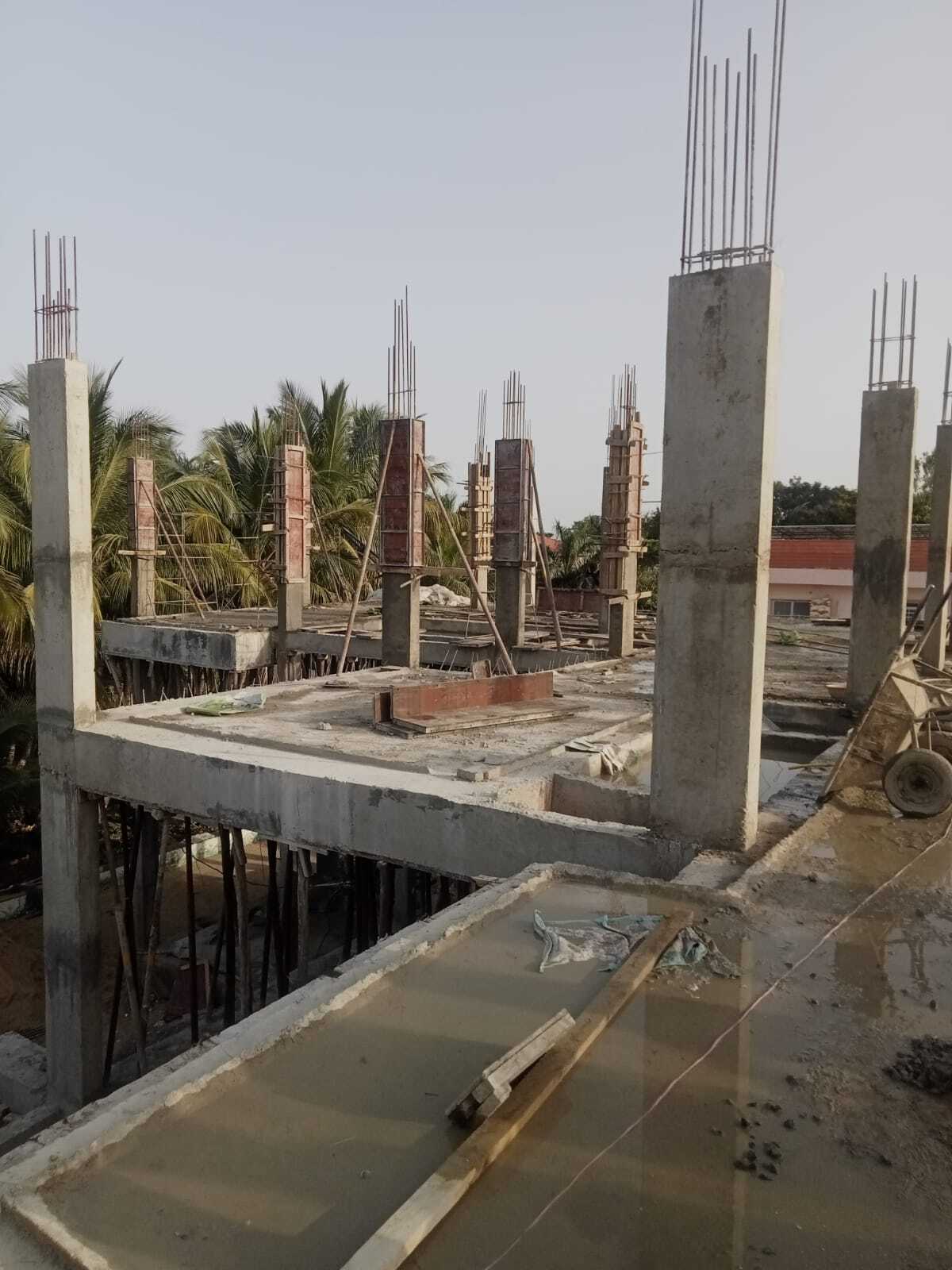
Columns are among the most fundamental parts of any building’s superstructure. They transfer loads from slabs and beams down to the foundation. Without strong columns, a building cannot stand safely, even if the rest of the structure is perfectly built. Super-Structure Components: The Backbone of Every Strong Building always begins with well-designed columns.
Why Columns Are Essential
- Load Transfer: Columns carry the vertical load and channel it efficiently towards the foundation.
- Stability: They help prevent building sway and resist lateral forces like wind or earthquakes.
- Support System: All beams and slabs depend on columns for support and alignment.
- Durability: Good RCC columns ensure long-term structural strength.
Additionally, using high-quality reinforcement bars and proper curing improves the lifespan and reliability of the column system.
2. Beams in Super-Structure Components: The Backbone of Every Strong Building
Beams act like horizontal support elements that connect the entire framework together. They distribute loads from slabs and transfer them to columns. Since they work with both tensile and compressive forces, beams must be designed with accurate engineering calculations.
Roles of Beams
- Load Distribution: They carry the load from slabs and walls.
- Structural Linking: Beams connect columns and create a sturdy grid.
- Shape & Layout: They help define room sizes and interior layout flexibility.
- Earthquake Resistance: Well-reinforced beams help buildings withstand lateral shocks.
Furthermore, beams ensure the building remains stable even when the load distribution changes over time due to furniture, occupancy, or design alterations.

3. Slabs in Super-Structure Components: The Backbone of Every Strong Building
Slabs are horizontal structural elements that create floors and ceilings. They cover large areas and distribute loads uniformly across beams and walls. Since slabs carry both live loads (people, furniture) and dead loads (their own weight), their design is extremely crucial.
Important Functions of Slabs
- Floor Formation: Slabs create the usable space for each floor.
- Load Distribution: They evenly spread the load on the beams.
- Strength & Stability: A good slab design prevents cracks and sagging.
- Fire & Heat Safety: Certain slab designs offer improved fire resistance.
Additionally, slab thickness, reinforcement patterns, and concrete grade significantly affect performance and durability.
4. Staircase in Super-Structure Components: The Backbone of Every Strong Building
Staircases are not just movement pathways; they are structural members that add rigidity to the building. They connect different floors and must be designed according to safety standards. Additionally, a well-designed staircase improves circulation within the home and enhances overall spatial flow. Moreover, using the right materials and proper RCC detailing ensures long-term strength and safety.
Key Elements of Staircase Design
- Risers & Treads: Proper sizing ensures comfort and safety.
- Load Bearing: Stairs support weight and channel it through beams or walls.
- RCC Design: Most modern staircases use reinforced concrete for strength.
- Ergonomics: Good design improves accessibility and movement flow.
Moreover, well-designed staircases also contribute to the architectural appeal of the interior.
5. Walls in Super-Structure Components: The Backbone of Every Strong Building
While walls are often seen as architectural or aesthetic elements, they also play a key role in structural stability. Some walls bear loads, while others are used for partitioning. Both types impact the behavior of the building’s superstructure.
Functions of Structural Walls
- Load Bearing: Some walls support structural weight.
- Partitioning: Non-structural walls define room layouts.
- Thermal & Sound Insulation: Walls help maintain indoor comfort.
- Safety: Provide protection from external forces.
Furthermore, using high-quality materials like AAC blocks or red bricks improves stability and longevity.
6. Lintels & Sunshades in Super-Structure Components: The Backbone of Every Strong Building
Lintels are small horizontal beams placed above doors and windows. Sunshades protect openings from rain and sunlight. While small, these elements significantly affect durability and appearance. They help distribute the load evenly and reduce structural stress. Together, they enhance both safety and the overall aesthetic of the building.
Why Lintels & Sunshades Matter
- Support Above Openings: Lintels prevent cracks around doors and windows.
- Weather Protection: Sunshades reduce heat, rainwater seepage, and UV impact.
- Structural Alignment: They add uniformity and prevent weak points in walls.
Additionally, lintels distribute loads so that building openings remain safe and stable.
7. Parapet Walls & Roof Elements in Super-Structure Components: The Backbone of Every Strong Building
The uppermost part of the structure completes the superstructure. Parapet walls and roof slabs contribute to safety and function while enhancing the aesthetic appeal. They also help protect the building from weather elements and add an extra layer of security. A well-designed top structure improves both performance and the overall look of the building.
Key Roof & Parapet Features
- Safety Barrier: Parapet walls prevent falls from roof edges.
- Waterproofing: Roof slab treatment protects the entire building.
- Thermal Control: Roof designs impact indoor heat levels.
- Structural Protection: Roof elements safeguard the superstructure from the weather.
Additionally, modern waterproofing technology ensures long-lasting roof performance.

Conclusion
In conclusion, Super-Structure Components: The Backbone of Every Strong Building are essential for ensuring durability, safety, and long-term performance. From columns and beams to slabs and staircases, each component plays a unique role in holding the building upright and protecting it from natural forces. Moreover, understanding each element helps both homeowners and professionals make informed construction decisions. When all components are designed and executed with precision, the result is a structure that stands strong for decades.
1. What are super-structure components?
Super-structure components are the elements built above the plinth level, including columns, beams, slabs, walls, staircases, and roof structures.
2. Why are super-structure components important?
They provide strength, stability, and support to the entire building, helping it stand safely for years.
3. Which is the most important super-structure component?
Columns are the most crucial because they carry loads from the entire building and transfer them to the foundation.
4. What materials are used in superstructure construction?
RCC (reinforced concrete), steel reinforcement bars, bricks, blocks, and shuttering materials are commonly used.
5. How do super-structure components affect building safety?
Properly designed and constructed components improve load distribution, reduce structural failure risks, and enhance earthquake resistance.