Introduction:
When you begin building your dream home, one of the first and most important decisions is choosing the right wall material. This is why understanding the Types of Brick Used in Construction becomes essential. Bricks form the backbone of most Indian homes and greatly impact strength, durability, weather resistance, and aesthetics. While many believe all bricks are the same, each type actually serves a unique purpose and offers different advantages. With modern construction technologies, homeowners now have more options than ever.
Not only do the Types of Brick Used in Construction influence the structure, but they also affect cost, maintenance, and long-term performance. So, let’s explore the different brick types, their uses, and how to choose the best one for your home.
1. Red Clay Bricks: The Most Traditional Types of Brick Used in Construction
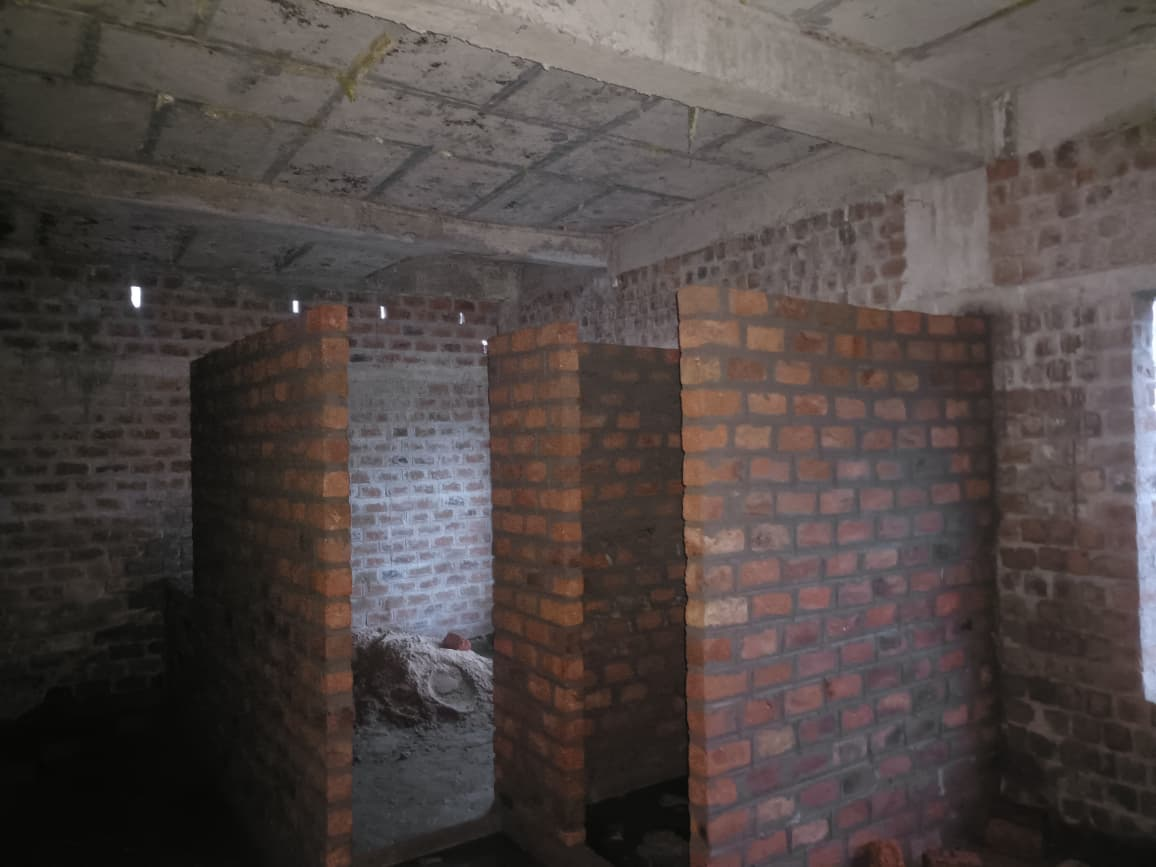
Red clay bricks are among the oldest and most widely used materials. Since they are made from natural clay and baked in kilns, they offer strength, durability, and thermal insulation. Additionally, they provide excellent sound insulation, making them ideal for residential buildings. Their natural composition ensures long-term stability and resistance to weather changes. Moreover, red clay bricks maintain a comfortable indoor temperature due to their high thermal mass. Because of their versatility and easy availability, they remain one of the most preferred choices in home construction.Red clay bricks are among the oldest and most widely used materials. Since they are made from natural clay and baked in kilns, they offer strength, durability, and thermal insulation.

Key Uses of Red Clay Bricks:
- Load-bearing walls
- Boundary walls
- Foundations in small buildings
- Internal and external walls
Advantages:
- Strong and durable
- Good thermal insulation
- Naturally weather-resistant
- Easy to drill but can chip if the brick is over-fired or brittle.
- Requires a masonry drill bit and moderate pressure.
- Produces more dust compared to modern blocks.
- Anchors hold strongly due to high density.
- Made from natural clay but involves high kiln-firing energy.
- Moderate environmental impact compared to AAC or fly ash.
- Long lifespan makes them sustainable for long-term use.
- Can be recycled as aggregates for road construction.
Why it matters:
Red clay is one of the most reliable Types of Bricks Used in Construction, especially for traditional homes and regions with hot climates.
2. Fly Ash Bricks: Eco-Friendly Types of Brick Used in Construction
Fly ash bricks are becoming increasingly popular due to their lightweight nature and eco-friendly production. Made from fly ash, cement, and sand, these bricks require less mortar and provide a smooth finish.
Key Uses of Fly Ash Bricks:
- High-rise buildings
- Commercial structures
- Internal partition walls
- Eco-friendly home projects
- Smooth finish reduces plaster cost
- High strength and uniform shape
- Eco-friendly and sustainable
- Drilling is smoother due to uniform shape and density.
- Lower risk of cracks compared to clay bricks.
- Requires proper wall plugs because the material can be slightly brittle.
- Best for drilling lightweight fixtures.
- Made using industrial waste (fly ash), reducing landfill pollution.
- Requires less energy in manufacturing than clay bricks.
- Highly sustainable and promotes eco-friendly construction.
- Reduces carbon footprint significantly.
Why it matters:
Fly ash bricks are modern Types of Bricks Used in Construction that not only strengthen buildings but also support green building practices.

3. AAC Blocks: Lightweight Type of Bricks Used in Construction
AAC (Autoclaved Aerated Concrete) blocks are widely used in modern construction because they are lightweight yet strong. They provide excellent thermal insulation, making homes more energy-efficient. Their quick installation also helps speed up the overall construction process.
Key Uses of AAC Blocks:
- High-rise buildings
- Villas and luxury homes
- Commercial and institutional structures
- Partition walls
- 3x lighter than red bricks
- Excellent heat and sound insulation
- Quick to install
- Termite and fire resistant
- Very easy to drill due to lightweight, porous structure.
- However, anchors can loosen if over-drilled use AAC-specific fasteners.
- Minimal dust production.
- Not suitable for heavy load fixtures without chemical anchors.
- Uses less raw material and low energy during production.
- Excellent thermal insulation reduces energy consumption in homes.
- Very eco-friendly due to reduced carbon emissions.
- 100% recyclable and lightweight reduces transportation fuel cost.
Why it matters:
AAC blocks are advanced Types of Bricks Used in Construction, perfect for fast and efficient building projects while offering a modern finish.

4. Concrete Bricks: Durable Types of Brick Used in Construction
Concrete bricks are made using cement, sand, and aggregates. They are strong, durable, and available in several shapes and colors, making them ideal for both structural and decorative uses. Their versatility allows them to blend easily with modern architectural designs.
Key Uses of Concrete Bricks:
- Exterior walls
- Pavements and pathways
- Retaining walls
- Compound walls
Advantages:
- Very strong and long-lasting
- Great resistance to fire and moisture
- Available in multiple sizes and textures
- Hard and dense requires a hammer drill.
- More time-consuming to drill compared to other bricks.
- High load-bearing capacity supports heavy fixtures easily.
- Minimal risk of cracking during drilling.
- Made from cement, aggregates, and sand; moderate carbon footprint.
- Long-life and high durability make them sustainable.
- Some manufacturers use recycled aggregates, improving eco-friendliness.
- Lower maintenance reduces environmental impact over time.
Why it matters:
Concrete bricks are versatile Types of Bricks Used in Construction, providing excellent strength and aesthetic appeal.
5. Engineering Bricks: High-Strength Types of Bricks Used in Construction
Engineering bricks are designed for extremely strong and durable construction needs. They have low water absorption and high compressive strength, making them suitable for special structural tasks. Their dense composition helps them withstand harsh weather conditions and heavy loads with ease. Because of their reliability, they are often used in foundations, retaining walls, and other critical structural areas.
Key Uses:
- Basements
- Tunnels
- Foundations
- Water-resistant areas
Advantages:
- Very dense
- High load-bearing capacity
- Minimizes water penetration
- Very difficult to drill due to extreme density.
- Requires high-grade drill bits and more time.
- Excellent anchor grip once drilled.
- Ideal for heavy structural attachments.
- High energy consumption during firing increases carbon footprint.
- However, long-term durability makes them environmentally viable.
- Very low water absorption reduces maintenance and material wastage.
- Often used only where necessary, keeping usage limited.
Why it matters: These are premium Types of Bricks Used in Construction ideal for critical structural areas where maximum durability is needed.
6. Hollow Bricks: Energy-Efficient Types of Brick Used in Construction
Hollow clay bricks contain hollow spaces that reduce weight and increase insulation properties. They make homes energy-efficient and reduce construction time.
Key Uses:
- Partition walls
- Eco-friendly homes
- Modern residential projects
Advantages:
- Great sound and heat insulation
- Reduces overall dead load
- Cost-effective and eco-friendly
- Easy to drill but requires caution to avoid breaking the outer shell.
- Use special anchors designed for hollow walls.
- Not suitable for heavy fixtures without reinforcement.
- Very low dust generation.
- Made using less material and energy due to hollow structure.
- Excellent insulation reduces home energy consumption.
- Environmentally friendly and often produced with natural clay.
- Lightweight reduces transport emissions.
Why it matters Hollow bricks are modern Types of Bricks Used in Construction that contribute to energy-efficient homes.

7. Uses of Bricks in Modern Home Construction
Bricks are not limited to just wall construction. Today, they serve multiple purposes across home design and functionality. From creating accent walls and outdoor pathways to crafting stylish garden features, bricks offer endless design possibilities. Their durability and aesthetic appeal make them suitable for both structural and decorative use.
Main Uses of Bricks:
- Structural Walls: The most common application for strong load-bearing support.
- Partition Walls: Lightweight bricks like AAC and hollow bricks are ideal.
- Boundary Walls: Clay and concrete bricks provide durability.
- Paving: Used for pathways, driveways, and garden areas.
- Fireplaces & Barbecue Zones: Heat-resistant bricks ensure safety.
- Exterior Façades: Decorative bricks enhance aesthetics.
- Additionally, choosing the right Types of Bricks Used in Construction ensures strength, energy efficiency, and long-term savings.
8. How to Choose the Best Types of Brick Used in Construction
Selecting the right brick depends on multiple factors:
Consider These Before Making a Choice:
1. Budget:
Red clay bricks are affordable; AAC blocks reduce plaster costs.
2. Climate Conditions:
AAC blocks provide insulation; red bricks suit hot climates.
3. Building Type:
High-rise buildings need lightweight AAC or fly ash bricks.
4. Strength Requirements:
Engineering bricks are best for heavy-load areas.
5. Construction Speed:
AAC blocks help speed up the process.
6. Environmental Concerns:
Fly ash and hollow bricks are sustainable options.
Therefore, always match your project needs with the suitable Types of Bricks Used in Construction.
9. Drilling & Sustainability Concerns in Brick Selection
When choosing the Types of Brick Used in Construction, it’s important to consider how the brick will behave during drilling for electrical fittings, plumbing lines, and wall fixtures. Each brick type has different drilling responses some chip easily, some require special fasteners, while others handle heavy load fixtures better. Choosing the right brick can prevent structural damage and ensure long-lasting wall performance.
Similarly, the green impact of each brick type plays a major role in modern construction. Eco-friendly options like AAC blocks, fly ash bricks, and hollow bricks reduce carbon footprint, save energy, and promote sustainable homebuilding. Considering both drilling concerns and environmental benefits ensures stronger, safer, and greener homes.
Conclusion
To sum up, understanding the Types of Brick Used in Construction helps you make informed decisions while building or renovating your home. From traditional red clay bricks to modern AAC blocks, each brick offers unique advantages. Whether you want strength, insulation, sustainability, or quick construction, the right brick type can make a huge difference in your home’s durability and performance. Ultimately, bricks form the foundation of a strong and long-lasting home so choosing wisely ensures safety, comfort, and value for years to come.
FAQs
1. Which brick is best for home construction?
AAC blocks and red clay bricks are commonly preferred for strength, insulation, and durability.
2. Are fly ash bricks good for building houses?
Yes, fly ash bricks are strong, eco-friendly, and reduce plaster costs due to their smooth finish.
3. What is the difference between AAC blocks and red bricks?
AAC blocks are lightweight and provide better insulation, while red bricks are heavier and offer strong load-bearing capacity.
4. Which brick is the most cost-effective?
Red clay bricks and fly ash bricks are the most budget-friendly options for home construction.
5. Do bricks affect the overall strength of a building?
Yes, choosing the right brick type significantly impacts structural strength, durability, and long-term performance.