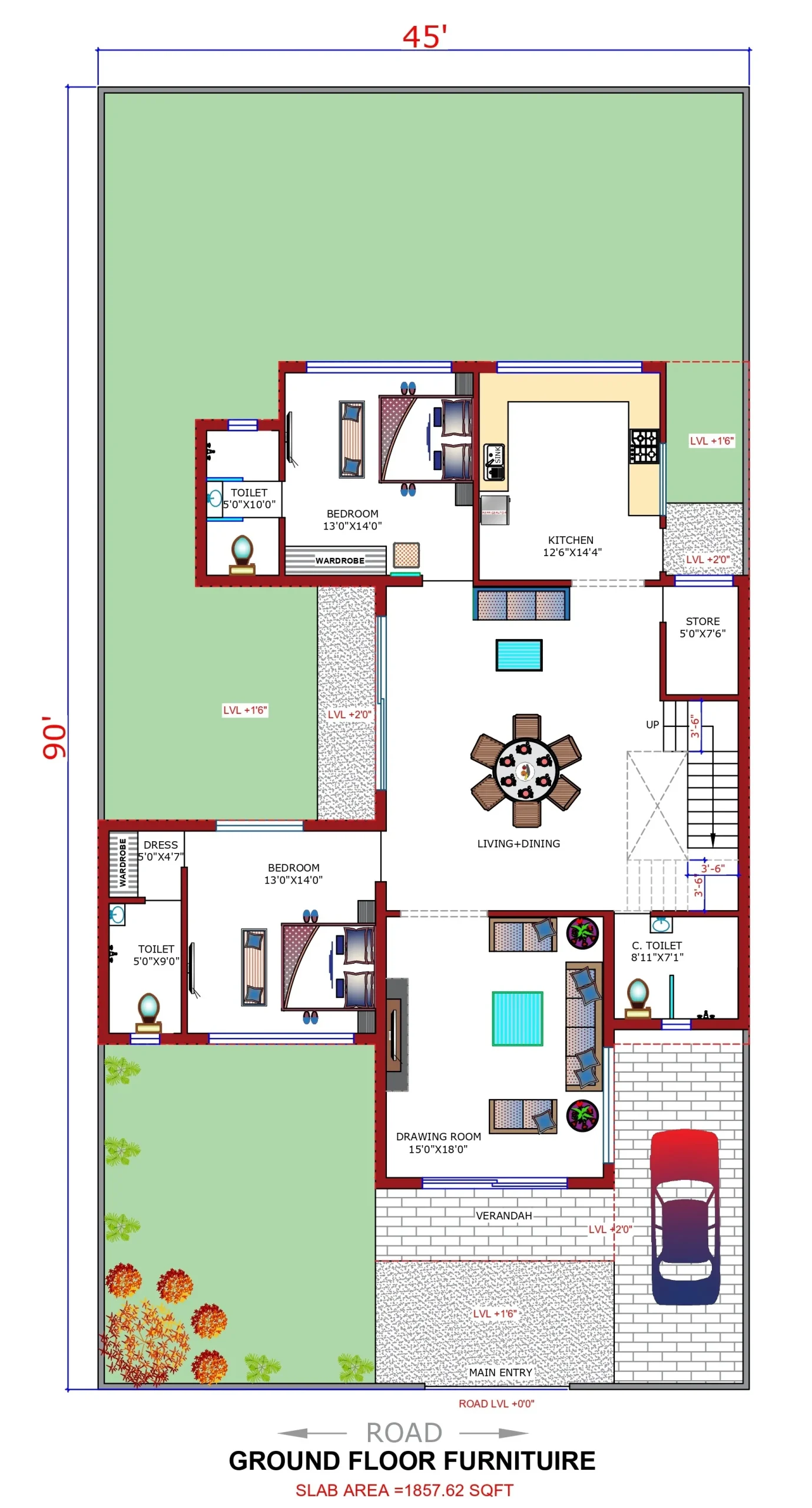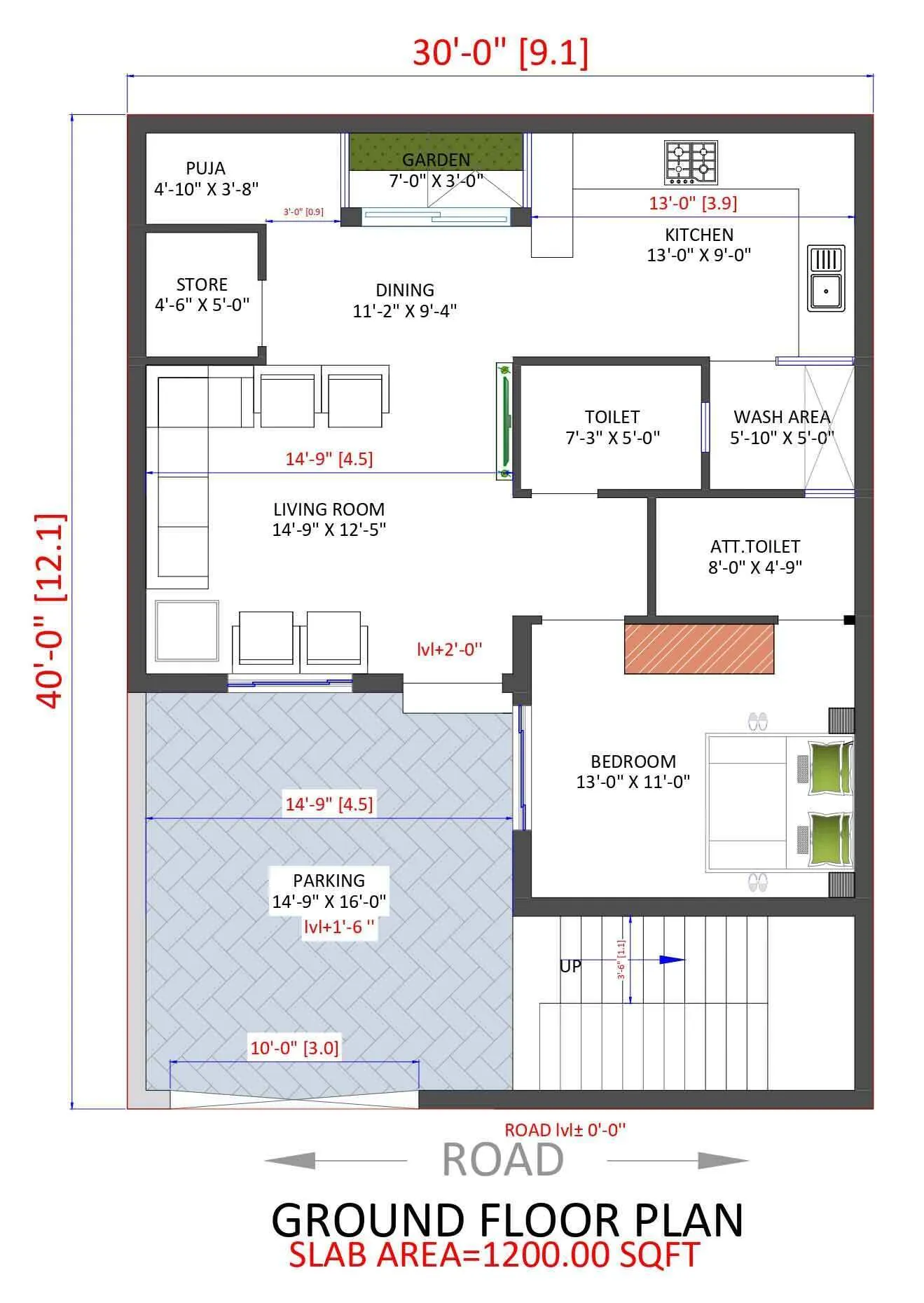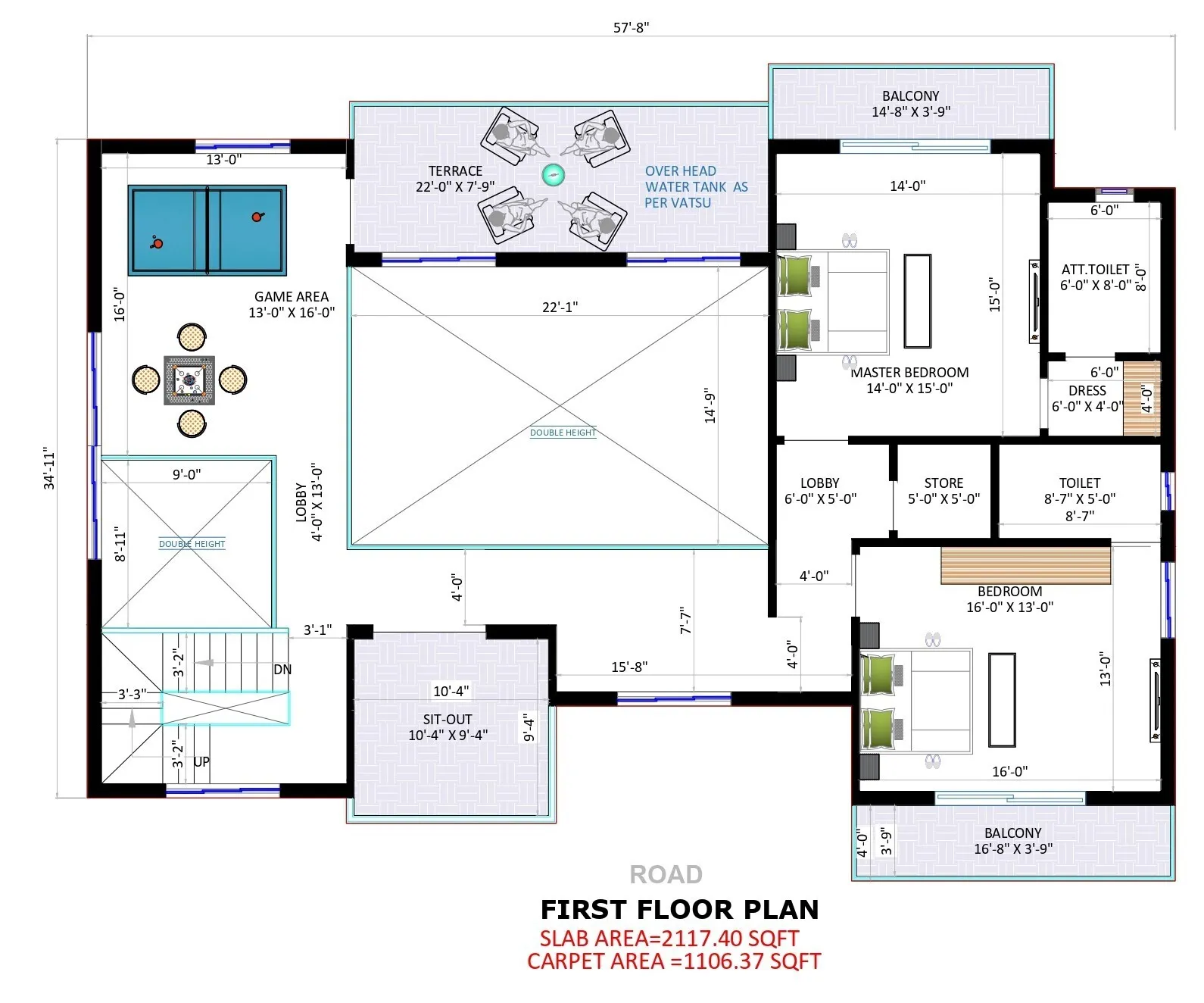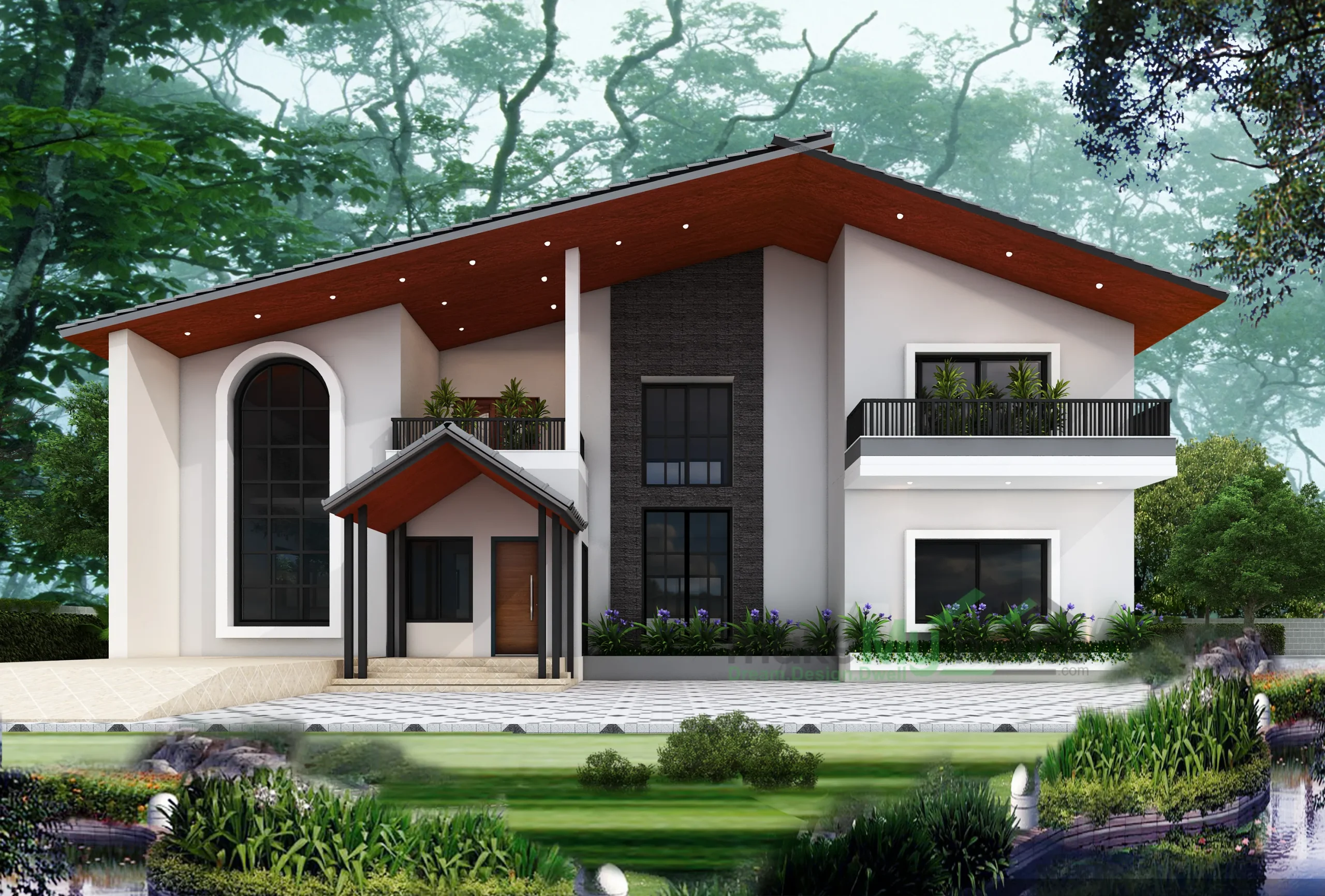
Balancing Vastu principles with practical design is key to creating a comfortable and functional home. By planning room placement, ventilation, and daily usability together, you can avoid common mistakes and improve your living experience. A well-thought-out house plan ensures both positive energy and real-life comfort.
You finalize your house plan after weeks of discussion. Everything looks perfect on paper. Rooms are placed nicely, design looks modern.
But after shifting, small problems start coming.
Kitchen feels uncomfortable. Bedroom doesn’t feel peaceful. Living room flow is not smooth. And someone tells you, “Vastu is not true.”
Now you’re confused.
Should you follow Vastu? Or focus only on practical design?
Honestly, both matter.
I’ve personally seen homes where Vastu was ignored completely, and later people felt uneasy living there. At the same time, I’ve also seen homes where strict Vastu made the design impractical.
So the real solution is balance.
Let’s understand How to Finalize Your House Plan as per Vastu & Practical Living in a way that actually works in real life.
What Does Vastu Really Mean in House Planning?
Vastu is not just about directions.
It’s about:
- Sunlight movement
- Air flow
- Space balance
- Natural energy
In simple terms, Vastu tries to align your home with nature.
But practical living is equally important.
Because at the end of the day, you have to live comfortably in that space every single day.
Why You Need Both Vastu and Practical Planning
Many homeowners go to extremes.
Either:
- They follow Vastu blindly OR
- They ignore it completely
Both approaches create problems.
I remember one project where the kitchen was forced into the southeast corner as per Vastu, but space was too tight. Cooking became uncomfortable daily.
In another case, everything was practical but no sunlight entered the house. The house felt dull.
So the right approach is simple:
👉 Follow Vastu where possible
👉Adjust smartly where needed
Step-by-Step Guide: How to Finalize Your House Plan as per Vastu & Practical Living
Step 1: Start with Plot Orientation
Before anything, understand your plot direction.
- North-facing
- East-facing
- South-facing
- West-facing
This decides how sunlight and airflow will enter your home.
From experience, east and north-facing homes usually get better natural light.
Step 2: Plan Entrance Smartly
Main entrance is very important in both Vastu and practical terms.
Vastu Tip:
- North or east entrance is generally preferred
Practical Tip:
- Entrance should be easy to access
- Avoid awkward turns or blocked entry
I’ve seen homes where entrance door opens directly into furniture. It feels cramped instantly.
Step 3: Living Room Placement
Living room should feel open and welcoming.
Ideal Placement:
- North or east side
- Practical Advice:
- Keep it near entrance
- Ensure proper seating layout
- Allow smooth movement
Natural light in living room makes a huge difference.
Step 4: Kitchen Planning
Kitchen placement is one of the most discussed parts in Vastu.
Vastu Suggestion:
- Southeast is best
- Northwest is second option
Practical Tips:
- Ensure proper ventilation
- Keep work triangle efficient (sink, stove, fridge)
- Avoid too tight spaces
I’ve seen poorly ventilated kitchens become uncomfortable within months.
Step 5: Bedroom Placement
Bedroom should feel calm and private.
Vastu Tips:
- Master bedroom in southwest
- Avoid northeast for bedrooms
Practical Advice:
- Ensure privacy from living areas
- Good airflow is important
- Avoid direct noise zones
Sleep quality improves a lot with correct placement.

Step 6: Bathroom & Toilet Planning
This area needs both hygiene and proper placement.
Vastu:
- Northwest or west preferred
- Practical:
- Easy plumbing access
- Proper drainage slope
- Ventilation is a must
Never ignore ventilation in bathrooms.
Step 7: Staircase Placement
Vastu:
- South, west, or southwest side
Practical:
- Should not block natural light
- Comfortable width and height
Bad staircase placement can disturb whole layout.
Step 8: Focus on Ventilation & Sunlight
This is where Vastu and practicality align perfectly.
Good home must have:
- Cross ventilation
- Natural light entry
- Air circulation
Personally, I’ve seen homes with perfect design fail just because of poor ventilation.
Step 9: Balance Open and Built Space
Too much construction makes home feel heavy.
Too much empty space wastes usability.
Balance is key.
Real Experience Tips & Pro Advice
Don’t force Vastu blindly
If a Vastu rule is making your space uncomfortable, adjust it smartly.
Always think daily use
Design should support your daily routine.
Consult both architect and Vastu expert
Balanced input gives better results.
Prioritize sunlight
Natural light improves mood and energy.
Plan future needs
Think about expansion, storage, and lifestyle changes.
Common Mistakes to Avoid
Following Vastu Without Understanding
Blindly copying directions can create impractical layouts.
Ignoring ventilation
Closed homes feel suffocating.
Poor Room Size Planning
Rooms should not feel too tight or too large.
Wrong Furniture Planning
Layout must match furniture placement.
No Future Planning
Always think ahead for family growth or changes
.
FAQs
Is Vastu necessary for house planning?
It is helpful, but it should be balanced with practical needs.
Can I ignore Vastu completely?
You can, but basic principles like sunlight and airflow should never be ignored.
Which direction is best for main entrance?
North and east are commonly preferred.
What if my plot doesn’t match Vastu?
Adjustments can be made without compromising comfort.
Is kitchen direction really important?
Yes, but ventilation and usability are equally important.
How to improve Vastu without redesigning?
Use lighting, colors, and space arrangement for adjustments.
Does Vastu affect daily life?
It can influence comfort, mood, and energy if planned properly.
Conclusion
Building a home is a big emotional and financial decision.
Understanding How to Finalize Your House Plan as per Vastu & Practical Living helps you create a space that feels right, not just looks right.
I’ve personally seen that the best homes are not the ones that follow rules strictly, but the ones that balance comfort and planning.
Your home should support your lifestyle, your routine, and your peace of mind.
So take your time. Plan smartly. Think practically.
Because a well-planned home doesn’t just look good… it feels right every single day.