A well-planned floor plan can significantly reduce construction costs by avoiding unnecessary walls, minimizing wasted space, and simplifying structural design. Smart placement of rooms, plumbing, and ventilation also lowers material, labor, and future maintenance expenses. In short, good planning not only improves comfort but also protects your overall budget.
“You’ve set a budget… yet you still can’t seem to control your construction costs?”
Almost every second client faces this very problem.
In the beginning, everyone tends to think:
“We’ll just manage the costs for materials and labor, and that’s it…”
But the reality turns out to be a little different.
I have personally observed this across numerous projects
the same budget, the same plot size, yet:
- One house ends up costing an extra ₹5–6 lakhs,
- While the other is completed perfectly within budget.
What makes the difference?
Just one thing the floor plan.
If your floor plan isn’t smart,
you end up spending extra money for absolutely no reason.
In this blog, we will explore in a practical, down-to-earth manner the following:
- How a good floor plan saves on construction costs
- Which planning decisions lead to wasted money
- How you can keep your budget firmly under control
What is a Floor Plan?
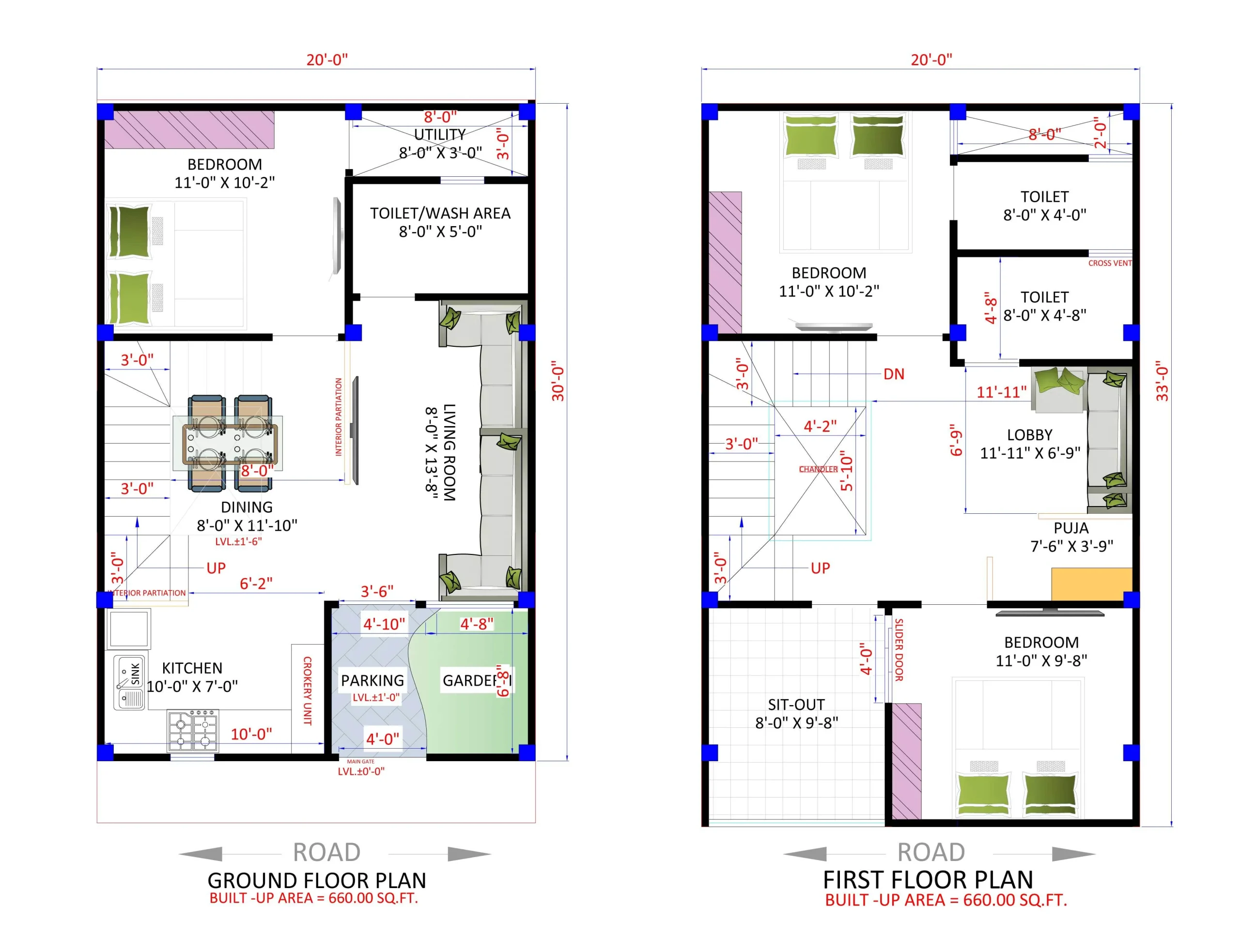
Essentially, a floor plan is a map that outlines:
- The size of the rooms
- Their placement
- The location of doors and windows
- The circulation space (walkways/passages)
It determines:
- The overall flow of the house
- How efficient the construction process will be
To put it simply:
“The floor plan decides exactly how much money you will spend while building your home.”
How a Good Floor Plan Saves on Construction Costs
1. Extra Walls Are Avoided
The more walls you have:
- The more material is required
- The higher the labor costs become
A smart floor plan:
- Creates open spaces
- Avoids unnecessary partitions
Real-World Experience
I observed in one particular project
that simply removing 3 extra walls resulted in savings of approximately ₹80,000 to ₹1 lakh.
2. Proper Space Utilization = Zero Waste
With a poor floor plan:
- Excessive corridors
- Dead corners (awkward, unusable angles)
- Wasted spaces
all of these issues tend to crop up.
A good plan:
- Makes effective use of every single inch of space
Practical Tip
Do not make your passageways or corridors unnecessarily wide.

3. Structural Costs Remain Under Control
The placement of columns and the design of beams are directly dependent on the floor plan. Poor Planning:
- Extra columns
- Complex structure
- Leads to → Increased costs
Smart Plan:
Allows for a simple grid structure
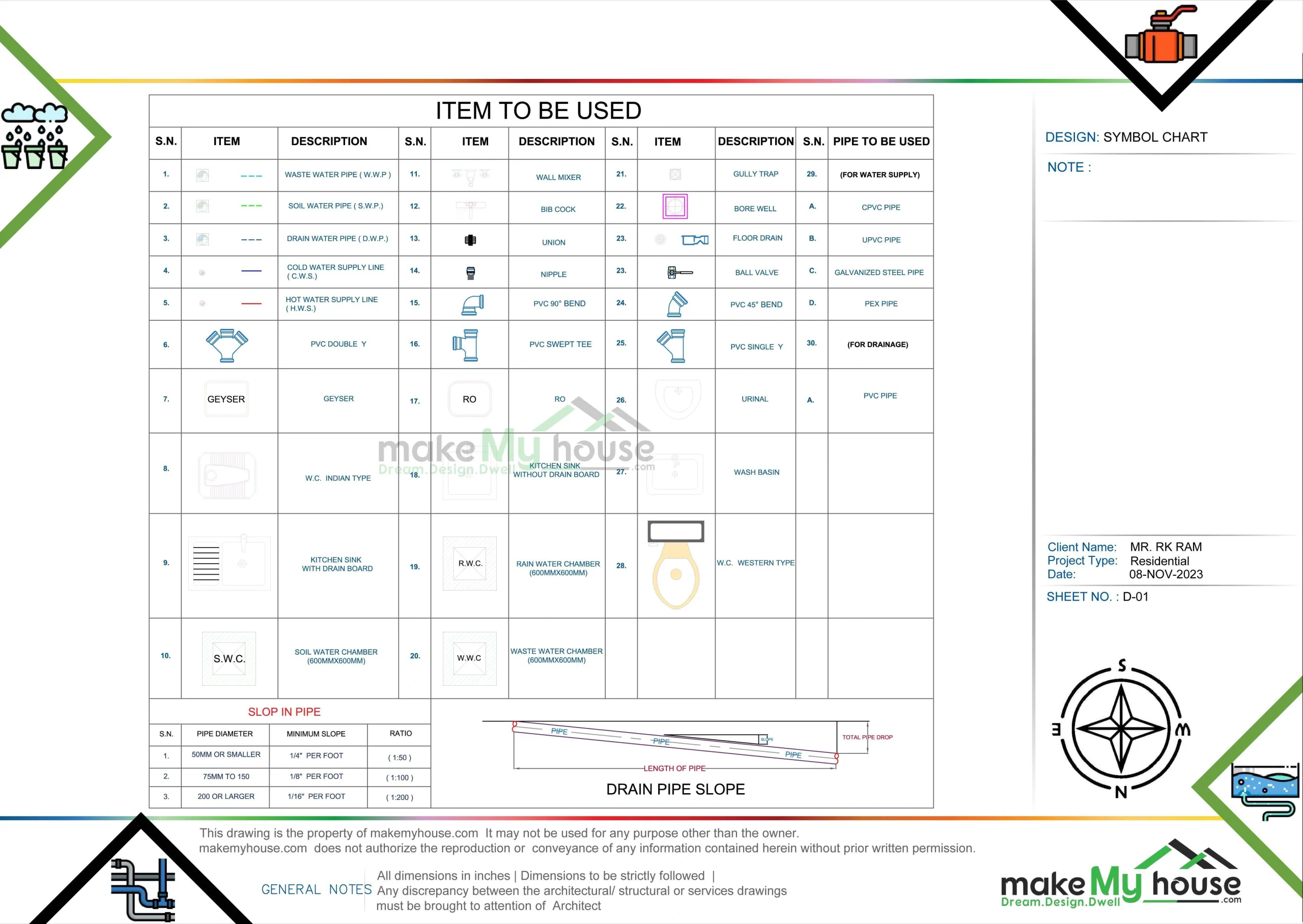
4. Plumbing Costs Are Reduced
If the kitchen and bathrooms are scattered:
- Pipe lengths increase
- Labor costs rise
Smart Floor Plan:
Groups wet areas into a single zone
Real Insight
This easily reduces plumbing costs by 10–15%.
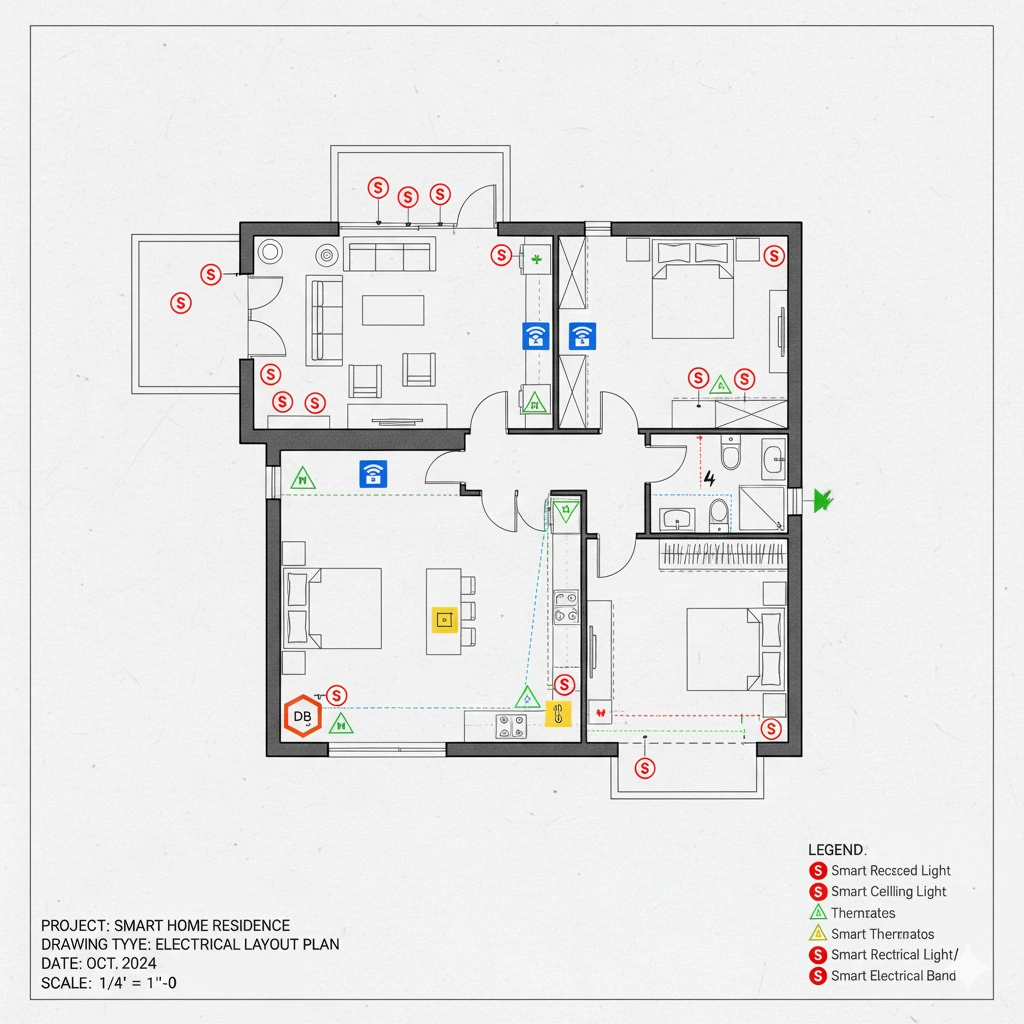
5. Electrical Wiring Becomes More Efficient
In a random layout:
- Extra wiring is required
- Circuits become complicated
Smart Plan:
- Features shorter wiring routes
- Facilitates easier electrical planning
6. Natural Light & Ventilation Are Improved
Good Planning:
- Allows for larger windows
- Creates cross-ventilation
Result:
- Reduced AC usage
- Lower lighting costs
- Personal Observation
Electricity bills are visibly lower in well-ventilated homes.
7. Saves on Future Modification Costs
Poor Floor Plan:
- Forces renovations later on
Good Plan:
- Is future-ready
Example:
- Allows for the possibility of an extra room
- Facilitates adding an additional floor
Step-by-Step: How to Create a Cost-Saving Floor Plan
Step 1: Create a Clear List of Requirements
First, decide:
- How many rooms you need
- Whether or not you need parking
- How much open space you require
Step 2: Prioritize (You Don’t Have to Fit Everything In)
- Do not try to include absolutely everything.
Focus on:
- Areas used for daily activities
Step 3: Choose a Compact Layout
A compact layout means:
- Less wall area
- Fewer materials
- Lower costs
Step 4: Group Wet Areas Together
Place the kitchen and bathrooms on the same side of the house.
Step 5: Plan for a Simple Structure
Avoid:
- Too many structural projections
- Irregular shapes
Step 6: Minimize Circulation Space
- Keep corridors and lobby areas to a minimum.
Step 7: Incorporate Future Planning
- Ensure a strong foundation if adding a future floor is a possibility.
Real-World Tips
- Do Not Over-Design
Fancy layouts:
- Increase costs
- Are often impractical
Make the Best Use of Square Plots
Irregular plot shapes tend to drive up construction costs. Standard Room Sizes Follow
Custom odd sizes:
- Furniture issues have been created
- Material wastage is increasing.
- Staircase Planning Smart Rakho
Galatian staircase:
- Space is wasted
- Cost is decreasing
- Think Window Placement
- Better airflow = less energy cost.
Common Mistakes That Increase Construction Cost
1. Copy Pinterest Plans
Online plans are not suitable for every plot.
2. Too Many Design Changes During Construction
- Mid-construction changes:
- The most costly mistake has been made
3. Ignoring Architect Advice
- Expert guidance avoids long-term loss.
4. Over-sized Rooms Banana
Bad rooms:
- Extra material
- Extra finishing cost
5. Random Column Placement
Structural cost seems to be shooting up.
6. Poor Orientation Planning
- Ignoring sunlight and airflow reduces long-term costs.
Bonus: Simple Cost-Saving Floor Plan Ideas
- Open kitchen + living concept
- Shared walls between rooms
- Rectangular layout
- Side staircase
- Minimal corridor
FAQs –
1. Can a floor plan really reduce construction cost?
Yes, a smart floor plan can reduce material, labor, and future maintenance costs.
2. What is the biggest cost-saving factor in floor planning?
and unused spaces.
3. Does open layout save money?
Yes, it reduces wall construction and improves space utilization.
4. Why group bathrooms and kitchen together?
To reduce plumbing length and cost.
5. Can a bad floor plan increase budget?
Yes, it can increase cost by 10–20% easily.
6. Should I hire an architect for floor planning?
Yes, it helps avoid costly mistakes and improves efficiency.
7. Is square layout cheaper than irregular design?
Yes, simple shapes are easier and cheaper to construct.
8. How does ventilation save money?
It reduces electricity usage for cooling and lighting.
Final Thoughts
Building a house is not just a matter of construction…
This is a game of planning.
- I have personally seen
- In the same budget:
- A house struggles
And one is perfectly optimized
Difference?
- Floor plan.
If planning is smart:
- Cost remains under control
- Comfort has improved
- Future stress is less
At the end remember one simple thing:
“A good floor plan doesn’t just design your home… it protects your budget.”