The house construction process follows a clear step-by-step journey from site preparation and foundation work to structure, finishing, and final handover. Proper planning, quality materials, and regular supervision at each stage help avoid costly mistakes and delays. Understanding the full process ensures better control over budget, quality, and overall results.
“I’ve started building my home… but what happens next?”
This question crosses the mind of almost every homeowner.
You’ve bought the plot. You’ve roughly decided on the budget.
Then, the confusion begins:
- What should I do first?
- When should I hire a contractor?
- What happens after the foundation is laid?
- Which stage requires the most financial investment?
I have personally observed in numerous projects
people often begin construction without a proper understanding of the process…
and then, midway through:
- The budget gets exceeded
- Work gets delayed
- Quality gets compromised
If you have a clear, step-by-step understanding of the entire house construction process,
then you can:
- Make better decisions
- Control costs effectively
- Avoid making mistakes
In this blog, we will break down the complete house construction process—from foundation to finish—using simple, easy-to-understand language.
What is the House Construction Process?
House construction is a step-by-step process that encompasses:
- Planning
- Structural work
- Finishing
covering all these distinct stages.
To put it simply:
“A home isn’t built in a single day… it is built by following a proper, systematic sequence.”
Step-by-Step Guide to the Full House Construction Process
Step 1: Plot Selection & Site Preparation
Everything begins right here.
What happens during this stage:
- Land clearing/cleaning
- Site leveling
- Soil testing (this is crucial)
A Real Tip
I have observed that
ignoring soil testing often leads to foundation-related issues later on.
Step 2: Design & Floor Planning
Now, you get to decide:
- How many rooms there will be
- What the overall layout will look like
- Whether or not you require parking space
Important Note
- This is the most critical stage of the entire process.
- Poor planning = Future problems.
Step 3: Approvals & Documentation
Before you can begin construction:
- Approvals from local authorities
- Building plan/map approval
- Legal verifications
must all be completed.
Step 4: Excavation Work
Now, the actual construction work begins.
What this involves:
- Digging/excavation for the foundation
- The required depth depends on the specific soil type
Step 5: Foundation Work
This constitutes the very base or bedrock of your home. Includes:
- Footings
- PCC (Plain Cement Concrete)
- RCC work
Real Experience
A weak foundation leads to long-term cracks and settlement issues.
Step 6: Plinth Beam & Filling
After the foundation:
- The plinth beam is laid.
- Filling is performed (using soil/sand).
Purpose
To make the ground level strong and stable.

Step 7: Column & Beam Structure
This constitutes the skeleton of the structure.
Includes:
- RCC columns
- Beams
Important Tip
If column placement is incorrect, the entire layout is compromised.
Step 8: Wall Construction (Brickwork)
Now, the house begins to take shape.
Materials:
- Bricks
- AAC blocks
- Pro Tip
Using AAC blocks provides better heat control.
Step 9: Slab Casting (Roof Work)
This is a major stage.
Includes:
- Shuttering
- Steel reinforcement
- Concrete pour
- Real Insight
Slab casting must be executed correctly the very first time.
A mistake leads to costly repairs.
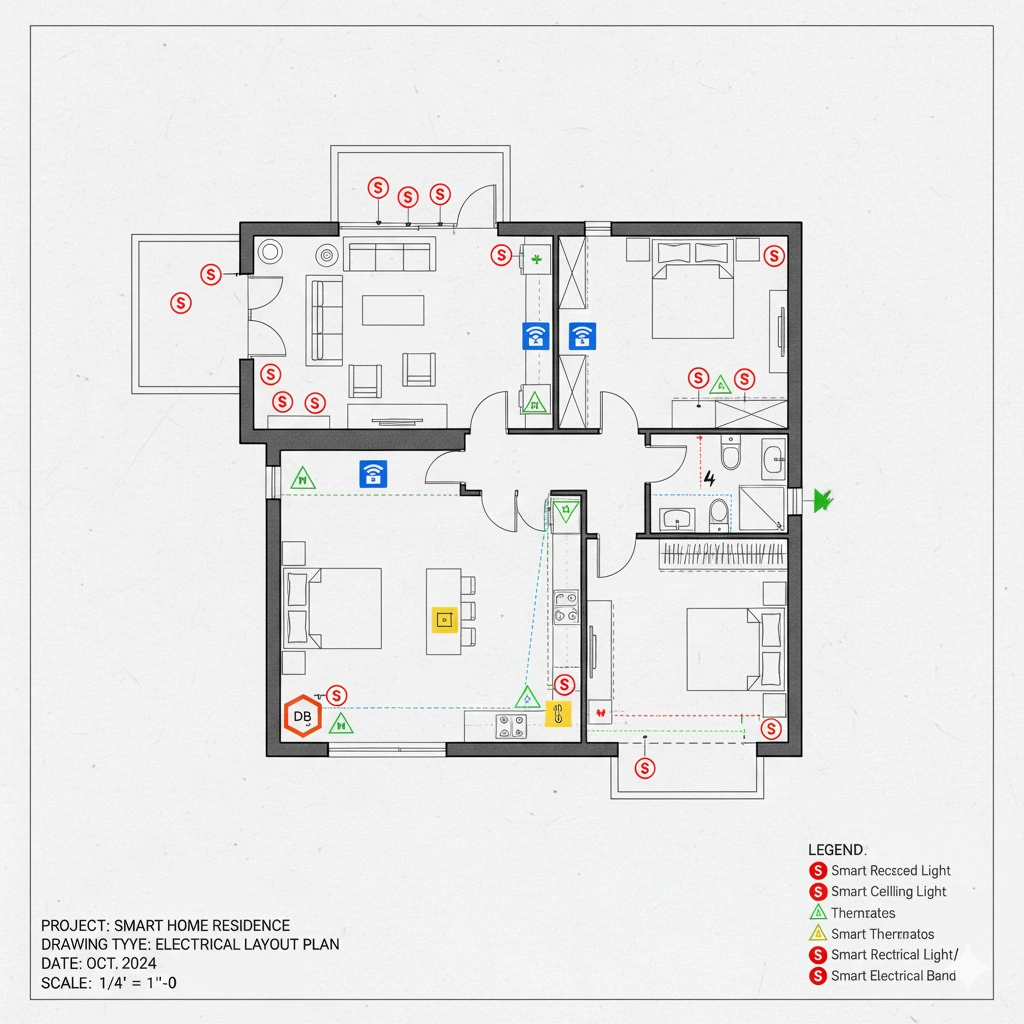
Step 10: Electrical & Plumbing Work (Concealed)
Inside the walls:
- Wiring
- Pipes
are installed.
- Warning
If planning is flawed at this stage, future demolition work will be required.
Step 11: Plastering Work
The walls are given a smooth finish.
Types:
- Internal plaster
- External plaster
Step 12: Flooring Work
Tiles or stone flooring are installed.
Tip
Use anti-skid tiles in the bathroom.
Step 13: Doors & Windows Installation
- Main door
- Room doors
- Windows
are fitted.
Step 14: Painting & Finishing
The final aesthetic is achieved at this stage.
Includes:
- Putty
- Primer
- Paint
Step 15: Final Inspection & Handover
Everything is checked:
- Leakage
- Electricals
- Finishing
And then, the house is ready.
Real-World Tips
Keep the Timeline Realistic
- Building a house takes time.
- If you rush, quality will be compromised.
Daily Monitoring is Essential
- You don’t need to visit the site every single day, but do perform a weekly check.
Do Contractor Selection Carefully
- Cheap contractor = future loss.
Check Material Quality
- Avoid low-quality cement/steel.
Don’t ignore waterproofing.
Especially:
- Terrace
- Bathroom
Common Mistakes in House Construction
1. Skip Planning
Start direct construction.
2. Budget Underestimate
Hidden costs should be ignored.
3. Poor Supervision
Site monitoring should not be done.
4. Using Wrong Material
Short-term saving, long-term loss.
5. Mid-Construction Changes
Most costly mistake.
6. Ignore Waterproofing
Future leakage problems.
FAQs –
1. How long does house construction take?
Generally 6–12 months depending on size and planning.
2. Which stage is most important?
Foundation and structure stages are most critical.
3. Can I monitor construction without visiting daily?
Yes, but regular checks are important.
4. What is the biggest mistake in construction?
Skipping proper planning and approvals.
5. When should I plan electrical and plumbing?
Before plastering, during wall construction.
6. Is waterproofing necessary?
Yes, it prevents long-term damage and repair costs.
7. Should I hire a contractor or manage myself?
Depends on your experience, but professional help is recommended.
8. How to control Construction Costs?
Proper planning, careful material selection, and avoiding design changes.
Final Thoughts
Building a home is an emotional journey.
However, if the process lacks clarity, it can also become a stressful experience.
I have personally observed that
those who approach the construction process with a clear understanding:
Keep their budget under control
Ensure the work proceeds smoothly
Achieve superior results
Conversely, those who begin without any planning:
- Face extra costs
- Experience delays
- Endure frustration
In the end, remember one simple truth:
“A strong home is built not merely from materials… but through a proper construction process.”