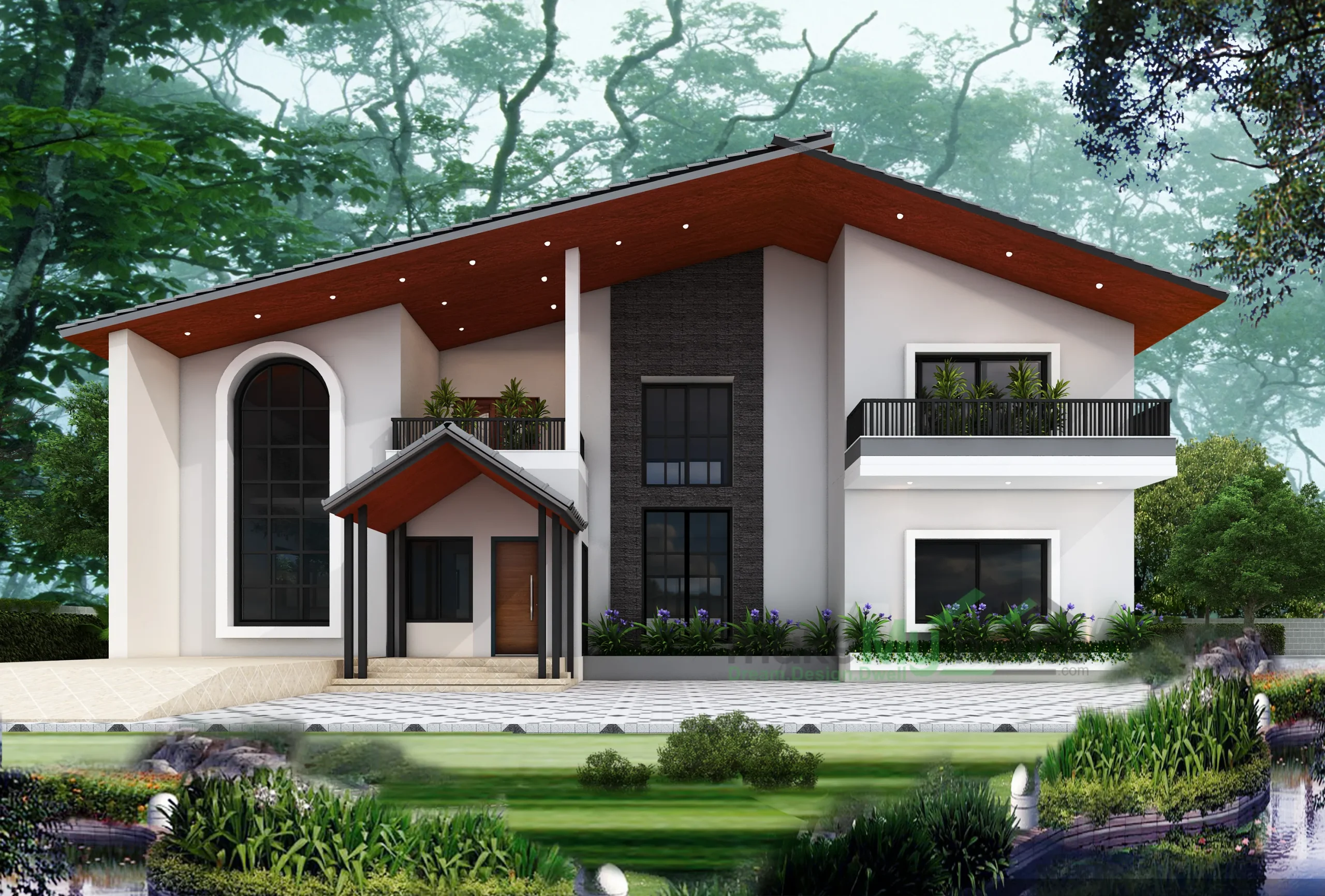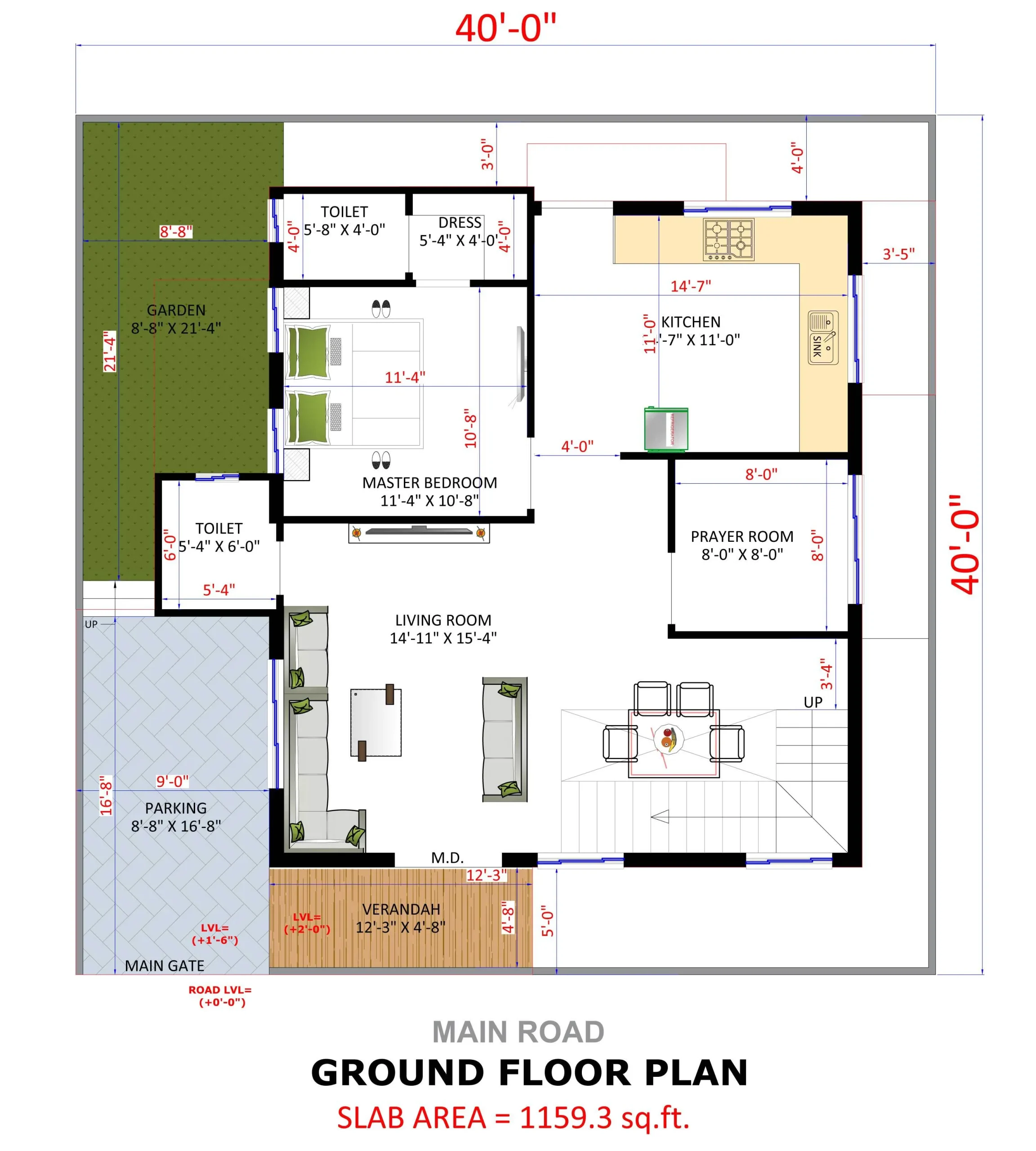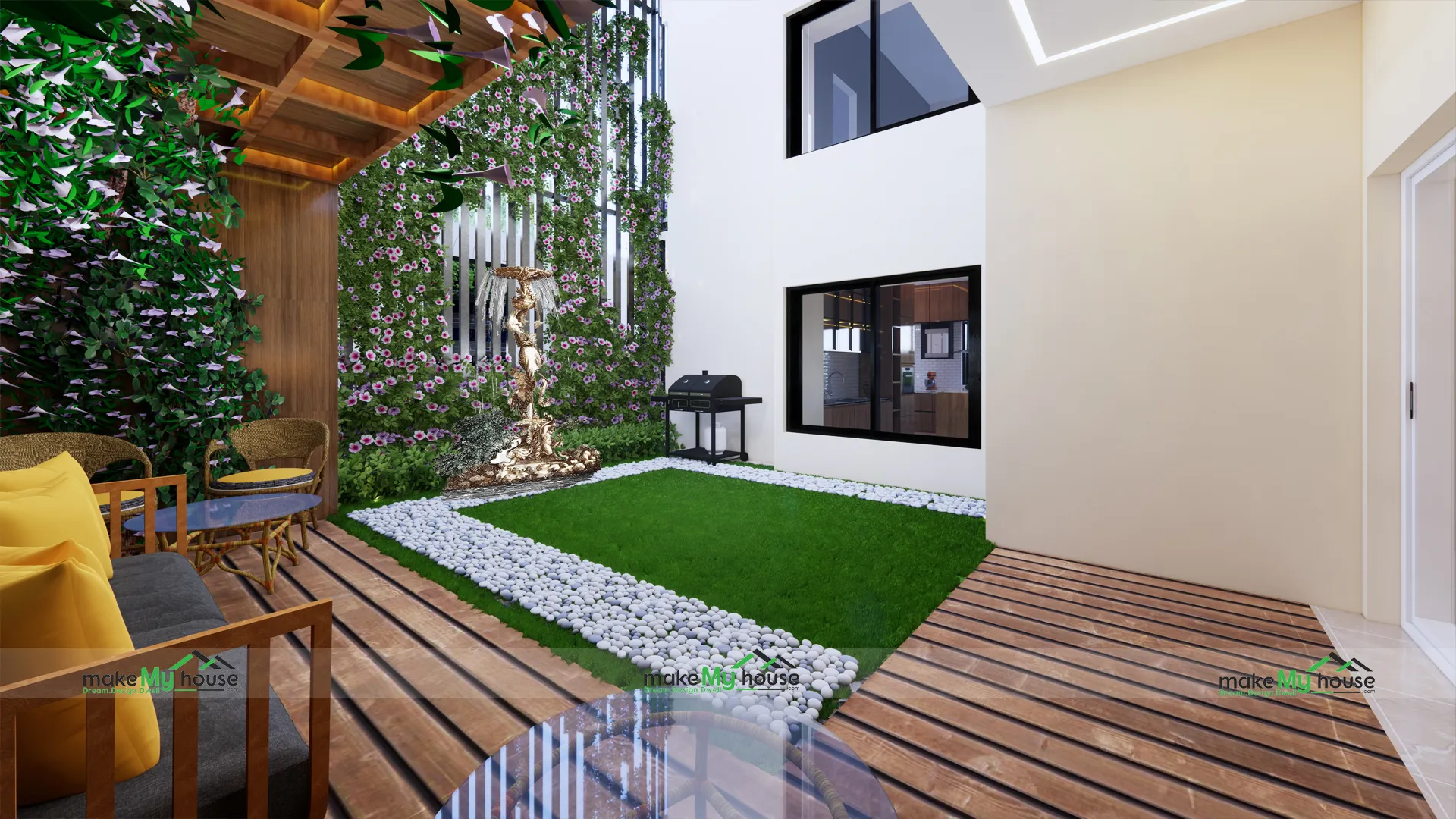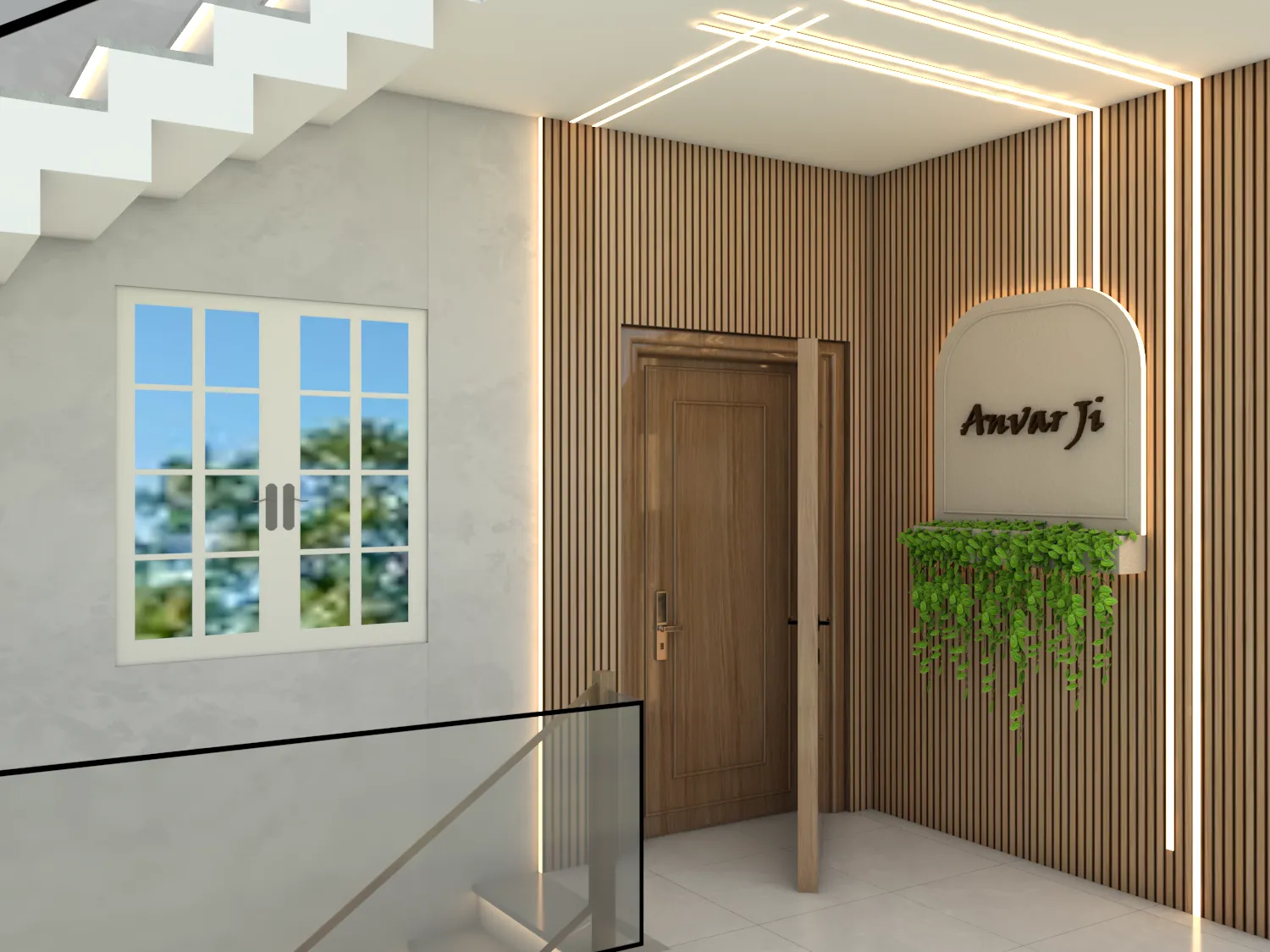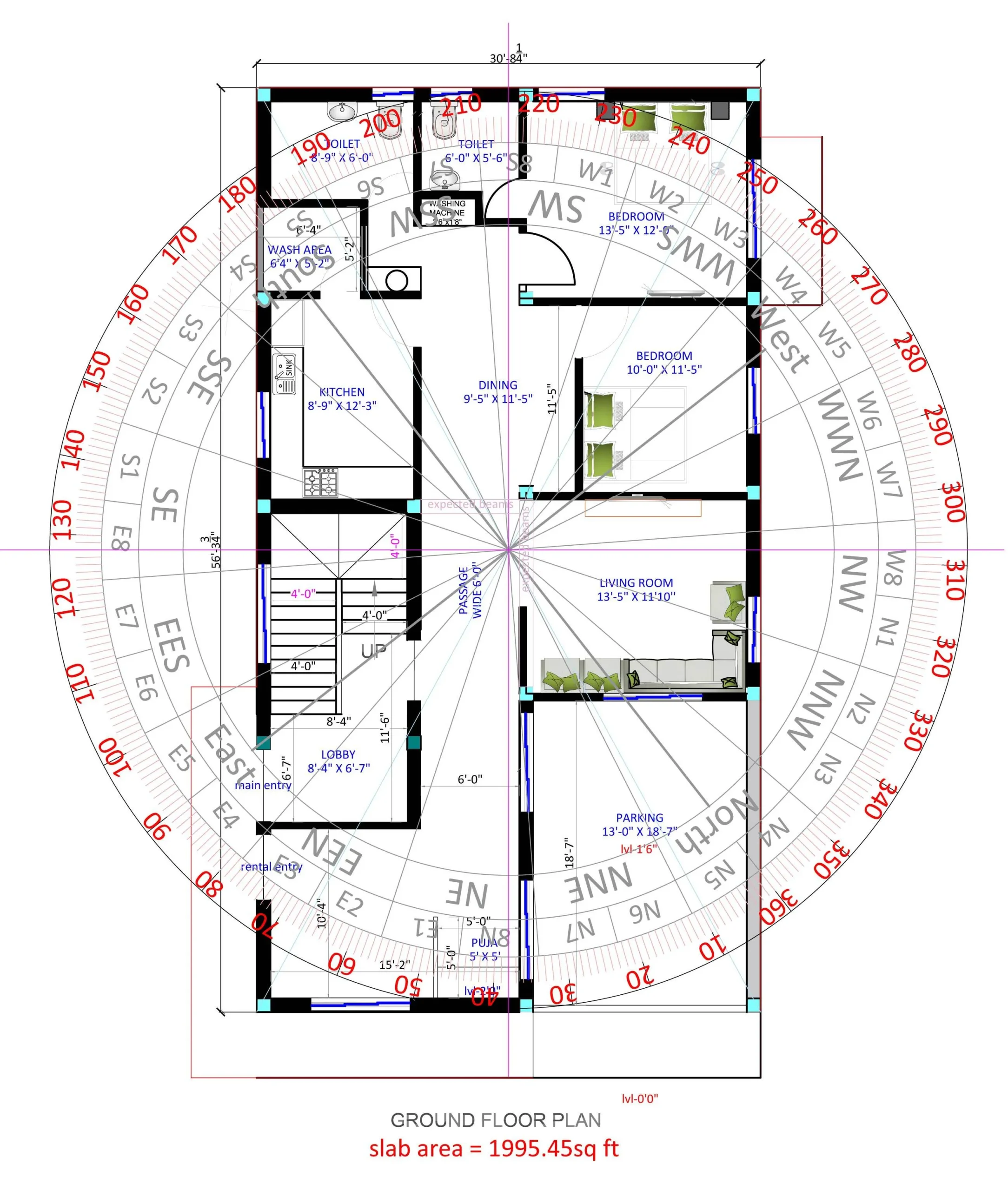
Finalizing a house plan requires a balance between Vastu principles and practical living needs. Proper room placement, ventilation, and layout planning directly impact comfort and daily convenience. A well-thought-out plan ensures your home is both functional and positive for long-term living.
You’ve secured the plot… you’ve consulted with an architect… and now everyone is telling you “finalize the plan.”
But this is precisely where the most confusion arises.
Should you follow Vastu or opt for a practical layout?
Should the kitchen be here or there?
Is the bedroom placement correct or not?
I have personally witnessed many clients struggling at this very stage.
And to be honest this is exactly where mistakes happen.
Once the plan is finalized… making changes later becomes a costly affair.
That is why today we will discuss “How to Finalize Your House Plan as per Vastu & Practical Living”—where striking the right balance is the real key.
Why Finalizing the Right House Plan Matters
A plan is not merely a drawing.
It determines:
- Your daily comfort
- Lighting and ventilation
- Privacy
- Future flexibility
I once observed in a project simply having the kitchen placed incorrectly completely disrupted the entire circulation flow of the house.
Therefore, do not take the task of finalizing your plan lightly.
What is Vastu & Why It Matters?
In simple terms:
Vastu = space planning based on cardinal directions.
The goal is to achieve:
- Positive energy flow
- Better health
- Peaceful living
However, one important point:
Blindly following Vastu is not always the right approach either.
Practical needs are equally important.
How to Finalize Your House Plan as per Vastu & Practical Living
1. Start with Plot Orientation
First and foremost:
- North
- South
- East
- West
The direction will determine the foundation of your planning.
Example:
East-facing plots offer the advantage of abundant morning light.
2. Entrance Placement
According to Vastu:
A North-East or East-facing entrance is considered the most auspicious.
Practical tip:
The entrance should be easily accessible.
Consider the parking area and the alignment with the road.
3. Living Room Planning
Vastu:
Ideally located in the North or East zone.
Practical:
- It should be situated near the main entrance.
- It should offer easy access for guests.

4. Kitchen Placement
Vastu:
- The South-East zone is considered ideal.
- Alternative option: The North-West zone.
I have personally observed that incorrect kitchen placement often leads to ventilation issues. Practical tips:
- Chimney outlet planning
- sunlight access
5. Bedroom Placement
Master bedroom:
- South-West best
- Kids bedroom:
- West / North
Guest room:
- North-West
Practical:
- By maintaining privacy
- Keep doors away from noise areas
6. Bathroom & Toilet Planning
Vastu:
- North-West / West
Avoid:
- North-East
Practical:
- Plumbing Alignment
- easy drainage
7. Staircase Placement
Vastu:
South / West zones
Practical:
- Space efficient design
- Entry blocking avoid karo
8. Window & Ventilation Planning
Ignore all this and give it…
But it is most important.
I personally observed that AC usage is less in homes with good ventilation.
Tips:
- Cross ventilation
- Bigger windows
9. Storage Planning
Hidden storage is best.
Avoid:
Visible clutter
Use:
- Built-in wardrobes
- Under-stair storage
10. Think Future Expansion
Today it can be 2BHK… tomorrow it can be 3BHK.
Keep flexibility in your plan.
Step-by-Step: Finalize Your House Plan
Step 1: Make Requirements List
Note down family size, lifestyle.
Step 2: Apply Vastu Basics
By aligning major zones.
Step 3: Check Practical Layout
Do movement and usability tests.
Step 4: Architect Review Lo
Expert input is important.
Step 5: Do Final Walkthrough
Mentally walk around the house.
Real Experience Tips & Pro Advice
- Vastu + Practical = Best Combination
- It is risky to follow only one side.
- Kitchen ventilation ignore mat karo
- Daily problem can be banned.
- keep bedroom privacy priority
- Comfort matters more than design.
- check the entrance flow
- Avoid direct room exposure.
- By maximizing natural light
- Mood and energy both have improved.
Common Mistakes to Avoid
- Blindly follow Vastu Karna
- Practical issues are being created.
- Future Needs Ignore Karna
- Later modifications are costly.
- Ventilating Skip Karna
- Heat and humidity have become a problem.
- Wrong Room Placement
- Daily inconvenience is created.
- Overdesign Karna
- Simple layouts are more functional.
FAQs
Should I follow Vastu strictly?
No, balance between Vastu and practicality is best.
Which direction is best for entrance?
North-East and East are commonly preferred.
Where should kitchen be placed?
South-East is ideal.
Can I change plan later?
Yes, but it becomes costly.
Is Vastu necessary?
Not mandatory, but helpful if planned properly.
How to improve ventilation?
Use bigger windows and cross ventilation.
What is most important in planning?
Comfort, functionality, and flow.
Conclusion
Finalizing the house plan is not a decision… it is a responsibility.
How to Finalize Your House Plan as per Vastu & Practical Living ka simple rule hai:
Balance.
I have personally seen
The homes which are based only on Vastu or only on design, do not face any long-term issues.
Best homes where we live in the world:
Vastu is respected
Practical planning is strong
Your house should not only be beautiful… it should also be comfortable.
And this is possible only with a smart plan.