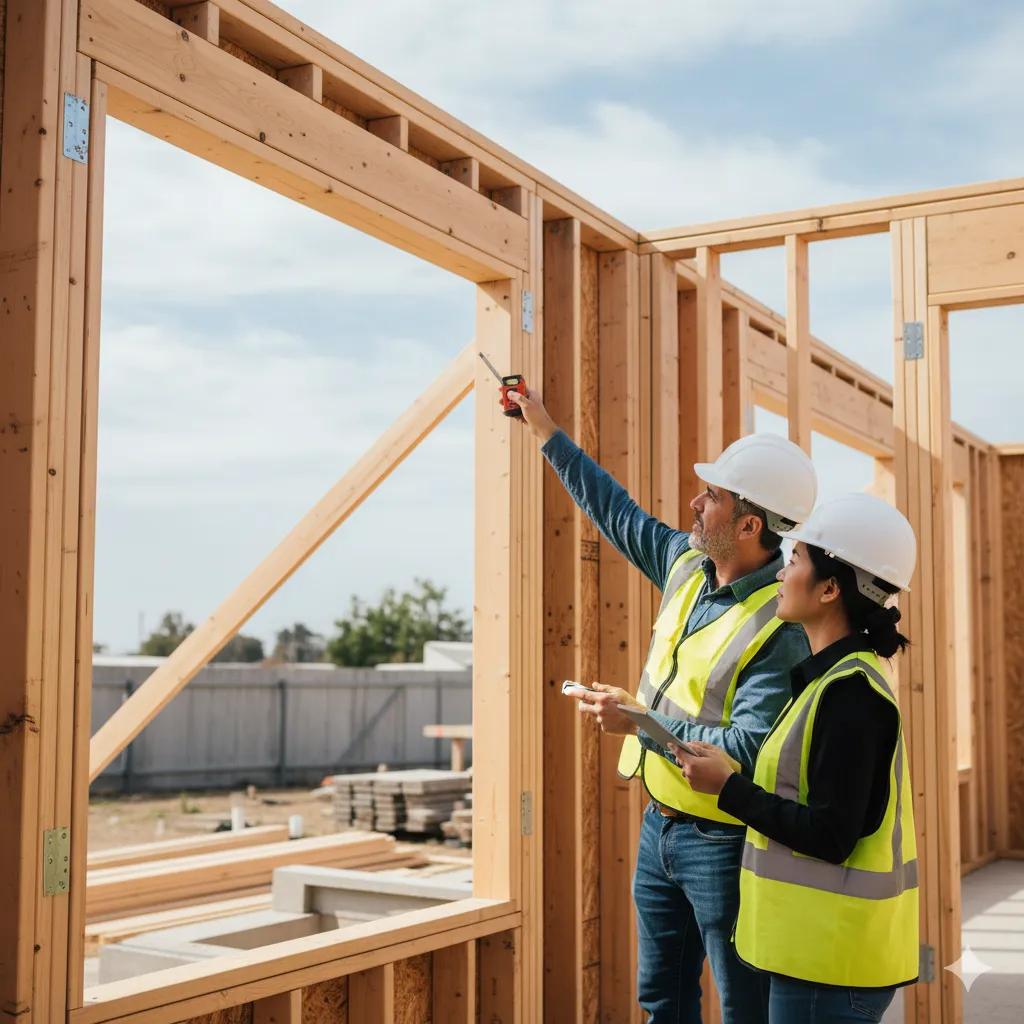
A structurally safe house is built on a strong foundation, proper load distribution, and quality materials. With the right planning, soil testing, and expert supervision, you can avoid cracks and long-term damage. Good structure means your home stays safe, stable, and durable for years.
The house looks strong from the outside… solid walls, good paint, modern elevation.
But the real question is
“Is this house structurally safe?”
Many people focus on the design but ignore the structure.
I have personally observed this on numerous sites
everything looks perfect on the surface… but the underlying structural planning is weak. And this risk can lead to cracks, settlement, or even major damage in the future.
The truth is:
A house’s real strength lies in its foundation, columns, and beams not merely in its walls.
Let’s understand this in simple language: An Engineer’s Guide to What Makes a House Structurally Safe.
What Does a “Structurally Safe House” Mean?
A simple definition:
A structurally safe house is one that:
- Can safely handle loads
- Can withstand weather conditions
- Remains stable over the long term
Key components play a vital role in this:
- Foundation
- Columns
- Beams
- Slab
Why Structural Safety is Important
If the structure is not strong:
- Walls develop cracks
- Doors and windows get jammed
- The building begins to settle
- In extreme cases, there is a risk of collapse
I witnessed a project where the soil test was skipped, and within just two years, foundation settlement began.
Repairing it became almost impossible.
Engineer’s Guide: What Makes a House Structurally Safe
A Strong Foundation
The foundation is the most critical component.
The type of foundation depends on:
- Soil conditions
- The load it must bear
A good foundation:
- Distributes the load evenly
- Prevents settlement
Pro Tip:
Do not skip the soil test.
Proper Column Design
Columns serve as the skeleton of the building.
Their function is to:
- Transfer the load down to the foundation
Important points to consider:
- Correct dimensions/size
- Proper spacing
- High-quality concrete
Beam & Slab Strength
Beams and slabs:
- Distribute the load
- Connect the various parts of the structure
If a beam is weak:
- Cracks will begin to develop

Quality Construction Materials
The quality of materials directly impacts the structural strength. Use:
- Good cement
- Proper Steel
- Clean sand
I have personally seen that by using cheap material, problems start within 2-3 years.
Proper Load Calculation
Engineer calculates:
- Dead load (weight of structure)
- Live load (people, furniture)
Design is done on its basis.
Earthquake Resistance
Many areas of India fall in seismic zones.
- Important measures:
- Proper reinforcement
Beam-column connection strong
Soil Testing
Soil test tells:
- Bearing capacity
- Soil type
Without this foundation design appears risky.
Proper Curing Process
It is important to give time to concrete.
- Water curing increases strength.
If curing is skipped:
- Structure appears to be weak
Step-by-Step: How to Ensure Structural Safety
Step 1: Hire Qualified Engineer
The very first step.
Step 2: Do Soil Testing
Foundation is essential for design.
Step 3: Structural Design Approve Karao
Follow proper drawings.
Step 4: Use Good Materials
Make compromises.
Step 5: Supervise Construction
Do regular site checks.
Step 6: Follow Proper Curing
Minimum 7–14 days curing.
Real Experience Tips & Pro Advice
- By cutting the budget on Foundation
- This is the most critical part.
- Make future plans for extra floors.
- Design the structure accordingly.
- Random changes should be avoided.
- Change without engineer’s permission is risky.
- Don’t blindly trust the contractor.
- Do supervision.
- By maintaining documentation
- It is helpful for future reference.
Common Mistakes to Avoid
- No Soil Testing
- Foundation risk has increased.
- Poor Material Quality
- Structure appears to be weak.
- Ignoring Structural Drawings
- Execution appears to be wrong.
- Improper Curing
- Concrete strength is decreasing.
- Overloading Structure
- Extra load creates damage.
FAQs
What makes a house structurally safe?
Strong foundation, columns, beams, and quality materials.
Is soil testing necessary?
Yes, it is very important.
How long does structure last?
With proper construction, 50+ years.
Can the structure be repaired later?
Limited repairs are possible, but costly.
Is an engineer necessary for house construction?
Yes, to ensure a safe design.
What is the most important aspect of a structure?
The foundation and load distribution.
Does the quality of materials matter?
Yes, it directly impacts the structural strength.
Conclusion
A house’s design is what meets the eye… but its true strength lies within.
The “Engineer’s Guide: What Makes a House Structurally Safe” explains that a strong home is built not merely from materials, but through proper planning.
I have witnessed this personally where the structure is strong, the house remains safe for decades.
And where it is neglected… problems slowly begin to emerge.
So, always focus on:
- A strong foundation
- Proper design
- Quality execution
Only then will your home truly be safe and long-lasting.