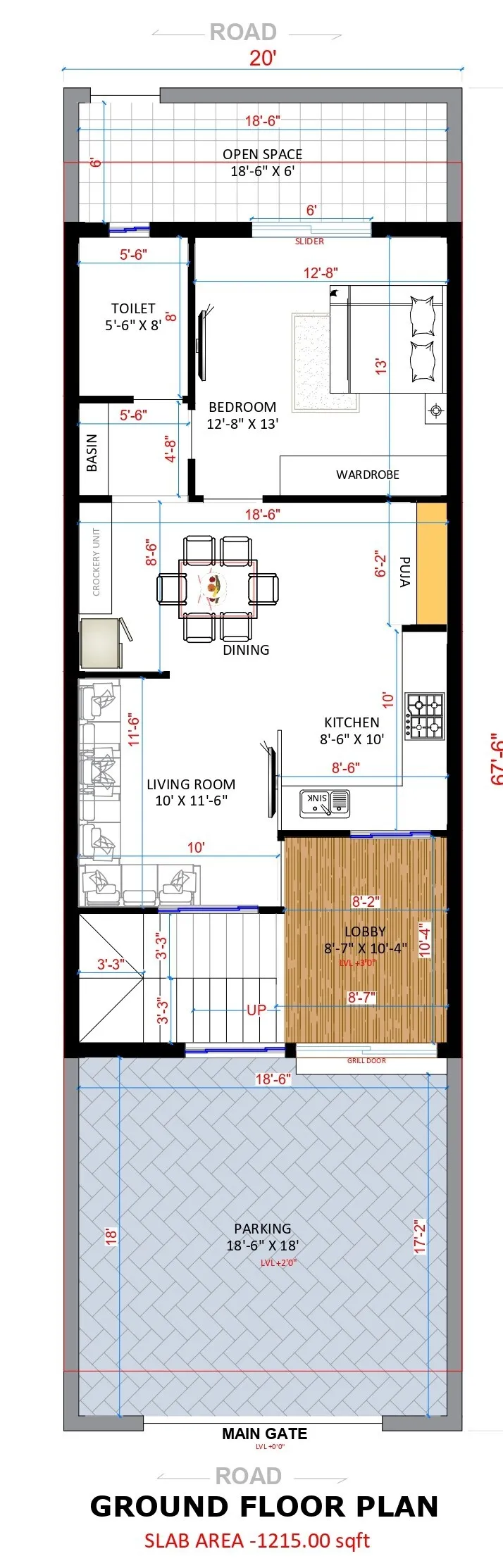
A 2-bedroom tiny house can be comfortable and practical if planned with a smart layout and simple construction approach. Focusing on space utilization, ventilation, and cost-effective materials helps create a budget-friendly home. The key is to build with functionality in mind and avoid common planning mistakes.
You fix your budget. You finalize your plot.
And then suddenly…everything feels confusing.
“How do I fit 2 bedrooms in a small space?”
“Will it feel too tight?”
“Where should I cut cost without regret later?”
I’ve personally worked on multiple small house projects, and honestly, the biggest mistake people make is not the budget it’s poor planning. I remember one client who tried to squeeze in extra space without thinking about movement and ventilation. The house looked good on paper, but living in it became uncomfortable within months.
That’s why 2-bedroom tiny house construction plans are not just about saving money they’re about building smart from day one.
What Are 2-Bedroom Tiny House Construction Plans?
A 2-bedroom tiny house usually covers:
- 400 to 800 sq ft
- Compact but functional layout
- Designed for small families or rental use
Construction plans focus on:
- Structural layout
- Room placement
- Plumbing and electrical planning
- Cost-efficient building methods
Simple understanding: It’s not just a design it’s a practical roadmap to build your home without wasting money or space.
Why People Are Choosing Tiny House Construction Today
From what I’ve seen on-site and in client discussions, the shift is real.
- Budget control is easier
- Construction time is shorter
- Maintenance is low
- Less material waste
More focus on practical living
I’ve noticed something interesting people living in smaller homes often feel more organized and satisfied because everything has a purpose.
Step-by-Step: How to Plan 2-Bedroom Tiny House Construction
1. Start With the Right Plot Understanding
Before construction, understand your plot:
- Size (like 20×30, 20×40)
- Facing (North, East, etc.)
- Local building rules
Real tip: I’ve seen projects delayed just because bylaws were ignored. Always check this first.
2. Fix a Practical Layout First
Don’t jump into elevation or interiors.
Basic layout should include:
- Living area
- Kitchen
- 2 Bedrooms
- 1 or 2 Bathrooms
From experience: A simple layout always works better than an overcomplicated one.

3. Plan Structural Elements Carefully
This is where construction planning matters most.
- Column placement should not block rooms
- Beam alignment should match room layout
- Keep plumbing lines in one vertical line
I once worked on a site where plumbing was scattered. It increased cost and future repair issues.
4. Smart Space Allocation
In a tiny house, every foot matters.
- Living room: 10×12 ft
- Master bedroom: 10×10 ft
- Second bedroom: 8×10 ft
- Kitchen: 7×8 ft
Pro tip: Don’t try to make everything big. Balance is more important.
5. Choose Cost-Friendly Construction Materials
To control budget:
- Use locally available bricks
- Standard quality cement and steel (don’t go too cheap)
- Simple flooring (like tiles instead of marble)
Important: Never compromise on structure quality to save money. That’s a mistake you’ll regret later.
6. Keep Plumbing & Electrical Simple
- Align bathrooms vertically
- Keep kitchen and toilets close
- Plan switchboards early
This reduces both construction and maintenance cost.
7. Plan for Ventilation & Natural Light
This is often ignored.
- Add windows in opposite walls
- Use ventilators in bathrooms
- Consider skylight if possible
I’ve seen small homes feel airy and fresh just because of good light planning.
8. Decide Single Floor or Duplex
Single Floor:
- Easy to build
- Good for elderly
Duplex:
- Better space usage
- More privacy
In tight plots, duplex works better in most cases.
Popular 2-Bedroom Tiny House Construction Plans
Option 1: Single-Floor 2BHK
- Living + dining
- 2 Bedrooms
- 1 Kitchen
- 1 Bathroom
Best for:
- budget construction
- Simple living
Option 2: Duplex 2BHK Plan
Ground Floor:
- Living
- Kitchen
First Floor:
- 2 Bedrooms
Best for:
- Space optimization
- Future expansion
Option 3: Rental-Based Construction Plan
- Ground floor: 1BHK
- First floor: 1BHK
Good for:
- Rental income
- Investment planning
Real Experience Tips
These are things I’ve personally seen work well:
- Always leave space for storage
- Plan staircase wisely (side placement works best)
- Don’t overspend on exterior design
- Keep structure future-ready for extra floor
One homeowner I worked with saved money initially but didn’t plan for future expansion. Later, adding another floor became costly and difficult.

Common Mistakes to Avoid
1. Ignoring structural planning
Leads to long-term issues.
2. Poor ventilation
Makes home uncomfortable.
3. Overloading design
Too many ideas = messy result.
4. No storage planning
Creates daily inconvenience.
5. Choosing cheap materials blindly
Short-term saving, long-term loss.
FAQs
1. How much area is enough for a 2-bedroom tiny house
Around 500–800 sq ft works well.
2. Is a tiny house good for long-term living?
Yes, if planned properly with storage and ventilation.
3. Can I build it on a small plot like 20×30?
Yes, it’s perfect for such plots.
4. Is duplex better for small plots?
Yes, it uses vertical space efficiently.
5. How can I reduce construction cost?
Keep design simple and avoid unnecessary features.
6. Can I add another floor later?
Yes, if structure is planned in advance.
7. What is the biggest mistake in construction?
Ignoring layout and focusing only on looks.
8. Is it good for rental income?
Yes, very practical and in demand.
Final Thoughts
A small home doesn’t mean limited comfort.
I’ve seen well-planned 2-bedroom tiny house construction plans turn into homes that feel open, practical, and easy to live in.
The real difference comes from:
smart layout
- Proper construction planning
- Simple, functional design
- Don’t try to build “more.”
- Try to build “better.”
That’s what makes a house truly worth living in.