House construction trends for 2026 focus on smart planning, cost control, and practical building methods rather than complex designs. Key trends include simple structures, better material choices, proper ventilation, and future-ready construction. The goal is to build a durable, functional home that works well in the long run.
You finalize your house design, set a budget… and then the contractor says,
“Sir, this design is too costly” or “Madam, this is not practical.”
Suddenly, everything changes.
I’ve seen this exact moment on-site many times. One client came with a beautiful design from Instagram, but when we started construction planning, half of it had to be changed. Not because it looked bad but because it wasn’t practical to build.
That’s why understanding Top 10 House Construction Trends for 2026 is important. Not just for looks, but for real construction decisions that save money, time, and stress.
Why Construction Trends Are Changing in 2026
People are thinking differently now.
It’s not just about:
- Big homes
- Fancy elevations
Now it’s about:
- Smart construction
- Cost control
- Long-term durability
From my site experience, clients now ask more about “maintenance cost” than “design style.”
1. Simple Structural Design
Complicated structures are going out.
2026 trend:
- Straightforward column grid
- Simple beam layout
- Easy-to-build designs
I’ve seen projects where complex designs increased cost by 15–20% without real benefit.
2. Cost-Controlled Construction Planning
Budget awareness is a major trend now.
- Pre-planned material usage
- Avoiding design changes mid-construction
- Smart contractor coordination
Real tip: Changes during construction are the biggest budget killer.
3. Focus on Quality Materials
Earlier, people tried to save money on materials.
Now:
- Better cement quality
- Standard steel brands
- Durable fittings
One project I handled used low-quality plumbing to save cost. Within a year, leakage issues started. Not worth it.
4. Ready-Mix Concrete (RMC) Usage Increasing
Manual mixing is reducing.
RMC benefits:
- Better strength
- Faster work
- Less labor dependency
On larger projects, I’ve personally seen RMC improve consistency and reduce delays.
5. Smart Plumbing & Electrical Planning
No more random pipelines and wiring.
Now:
- Vertical alignment of plumbing
- Pre-planned electrical layouts
- Concealed wiring systems
This saves cost and avoids future repair headaches.

6. Space-Efficient Construction (Less Waste, More Use)
Every inch matters now.
- Compact room sizes
- Smart staircase placement
- Multi-use areas
I’ve seen 800 sq ft homes feel bigger than 1200 sq ft just because of better planning.
7.Duplex & Vertical Construction Trend
Land is limited. So people are building upwards.
- G+1 and G+2 homes
- Duplex layouts
- Future expansion planning
Especially popular on 20×40 and 30×40 plots.
8. Focus on Ventilation & Natural Light During Construction
This is now planned during construction, not later.
- Window placement based on airflow
- Proper sunlight entry
- Ventilators in wet areas
I always tell clients good ventilation matters more than expensive interiors.
9. Minimal Elevation for Cost Saving
Heavy elevations are expensive.
2026 trend:
- Simple front design
- Clean finish
- Low maintenance materials
One client reduced elevation cost and invested in better flooring—it made more practical sense.
10. Future-Ready Construction
People are planning ahead now.
- Structure designed for extra floors
- Space for solar panels
- Provision for future rooms
I’ve seen many homeowners regret not planning expansion early.
Step-by-Step: How to Apply These Construction Trends
Step 1: Start With Budget Clarity
- Fix your total budget
- Keep buffer (10–15%)
Without budget clarity, planning fails.
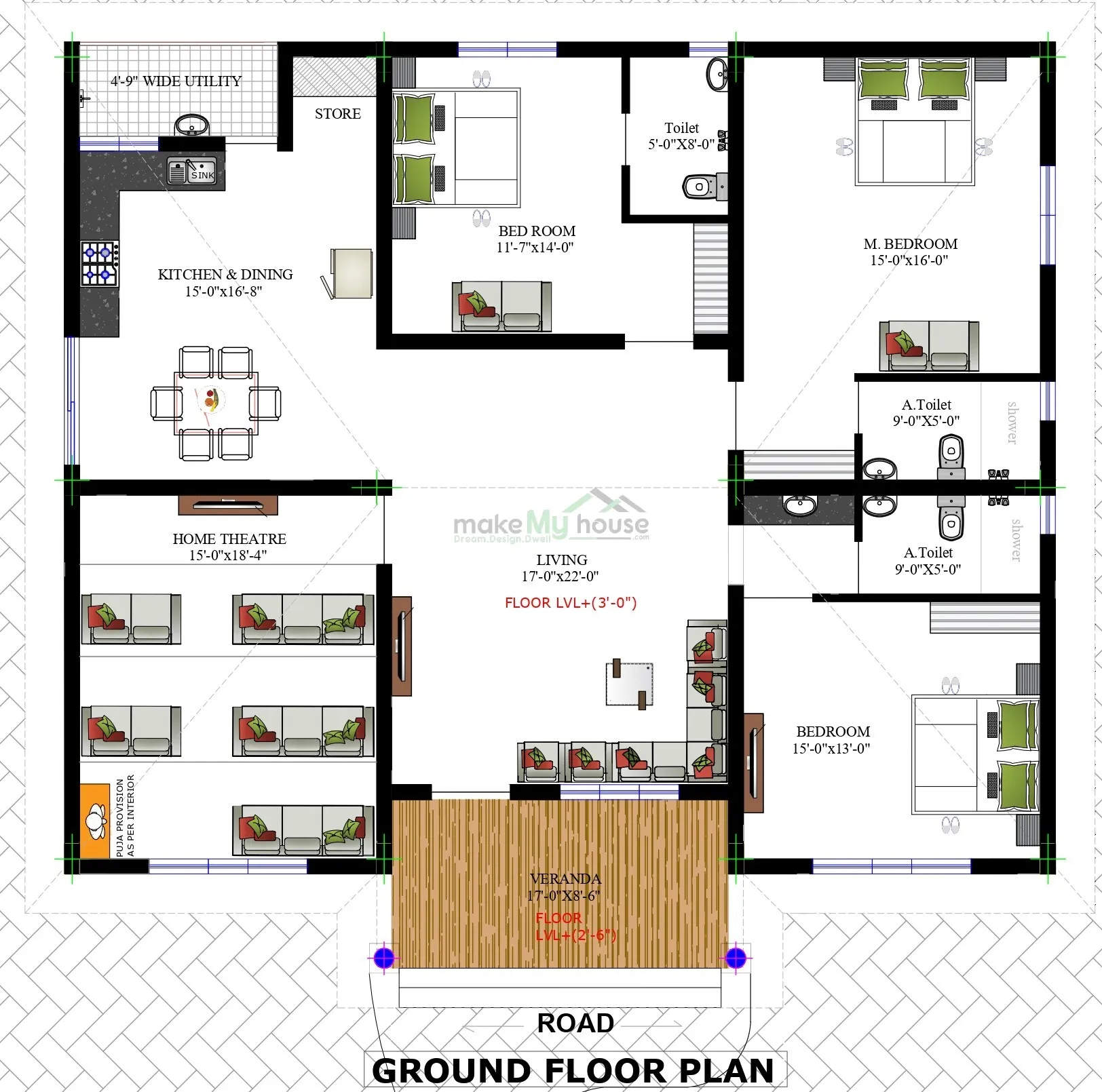
Step 2: Finalize Layout Before Construction
- Room placement
- Staircase location
- Entry and circulation
Layout changes later are expensive.
Step 3: Plan Structure With Engineer
- Column grid
- Beam alignment
- Load-bearing capacity
This step decides your home’s strength.
Step 4: Choose Materials Wisely
- Don’t go for cheapest
- Don’t overspend unnecessarily
- Balance is key.
Step 5: Monitor Site Work Regularly
- Check material quality
- Track progress
- Communicate with contractor
From experience: Regular supervision avoids major mistakes.
Real Experience Tips
- Always check curing process (many ignore this)
- Don’t rush slab casting
- Keep extra conduits for future wiring
- Plan drainage properly
One small mistake in drainage can create long-term issues.
Common Mistakes to Avoid
1.Frequent design changes
Increases cost and delays.
2. Choosing cheapest contractor
Leads to quality issues.
3. Ignoring structural advice
Risky in long term.
4. Poor site supervision
Mistakes go unnoticed.
5. No future planning
Limits expansion options.
FAQs
1. What is the biggest construction trend in 2026?
Smart and cost-controlled construction planning.
2. Is RMC better than manual concrete?
Yes, it offers better consistency and speed.
3. Should I invest more in materials or design?
Materials and structure should always come first.
4. Is duplex construction better?
For small plots, yes. It uses space efficiently.
5. How to reduce construction cost?
Avoid changes during construction and keep design simple.
6. Is ventilation really that important?
Yes, it directly affects comfort and health.
7. Can I plan for future floors now?
Yes, and you should. It saves cost later.
8. What is the biggest mistake during construction?
Ignoring planning and rushing execution.
Final Thoughts
Building a home is not just about design.
It’s about making decisions that you’ll live with for years.
From my real experience, the best homes are not the most expensive ones—they are the most thoughtfully constructed.
The Top 10 House Construction Trends for 2026 show one clear shift:
- Less show-off
- More practicality
- Focus on:
- Strong structure
- Smart planning
- Long-term comfort
That’s what makes a house truly worth it.