Building on a small plot in India requires smart planning, not just good construction. By focusing on simple layouts, proper ventilation, future expansion, and cost control, you can create a comfortable and practical home. Avoid common mistakes and plan everything in advance to save money and stress.
“The plot is broken…but the house is made perfect.”
Most people reach this stage after buying a small plot. There is excitement, but also confusion.
“How will everything fit?”
“Parking is also required… 2 bedrooms also… some open space also…”
I’ve personally worked with many homeowners who had plots like 20×30, 25×40, even smaller. And honestly, the biggest mistake I see is not the plot size… it’s poor planning before construction.
A client started construction in a hurry without proper layout. Later, they realized that there was no sunlight and the rooms were feeling congested. There is extra cost and time involved in fixing it.
So if you’re planning construction on a small plot in India, take a pause. Proper planning can save you lakhs and years of regret.
Understanding Small Plot Construction in India
Small plots are very common in cities. Land cost is high, so space is naturally limited.
Typical small plot sizes:
- 20×30 (600 sq ft)
- 25×40 (1000 sq ft)
- 30×40 (1200 sq ft)
Construction on these plots needs smart thinking, not just basic design.
You have to balance:
- Space utilization
- Structural safety
- Budget
- Future expansion
- Ventilation and lighting
From my experience, if these 5 things are balanced, even a small house feels comfortable.

Why Proper Construction Planning Matters
A lot of people think design and construction are separate. But in reality, both are deeply connected.
If your floor plan is not practical:
- Construction cost increases
- Material wastage happens
- Structural issues can come later
I’ve seen sites where columns were changed mid-construction because planning was weak. That’s expensive and risky.
So always remember:
Good construction starts with a well-thought floor plan.
Step-by-Step Construction Tips for Small Plots in India
Let’s break this into practical steps you can actually follow.
1. Start with Clear Requirements
Before talking to any contractor or architect, sit down and list your needs.
Ask yourself:
- How many bedrooms do you need?
- Is parking required?
- Is the first floor to be built in the future?
- Rental income plan?
Real tip:
Write everything on paper. I’ve seen families change requirements again and again, which delays the project.
2. Choose the Right Floor Plan
For small plots, not every design works.
Best options:
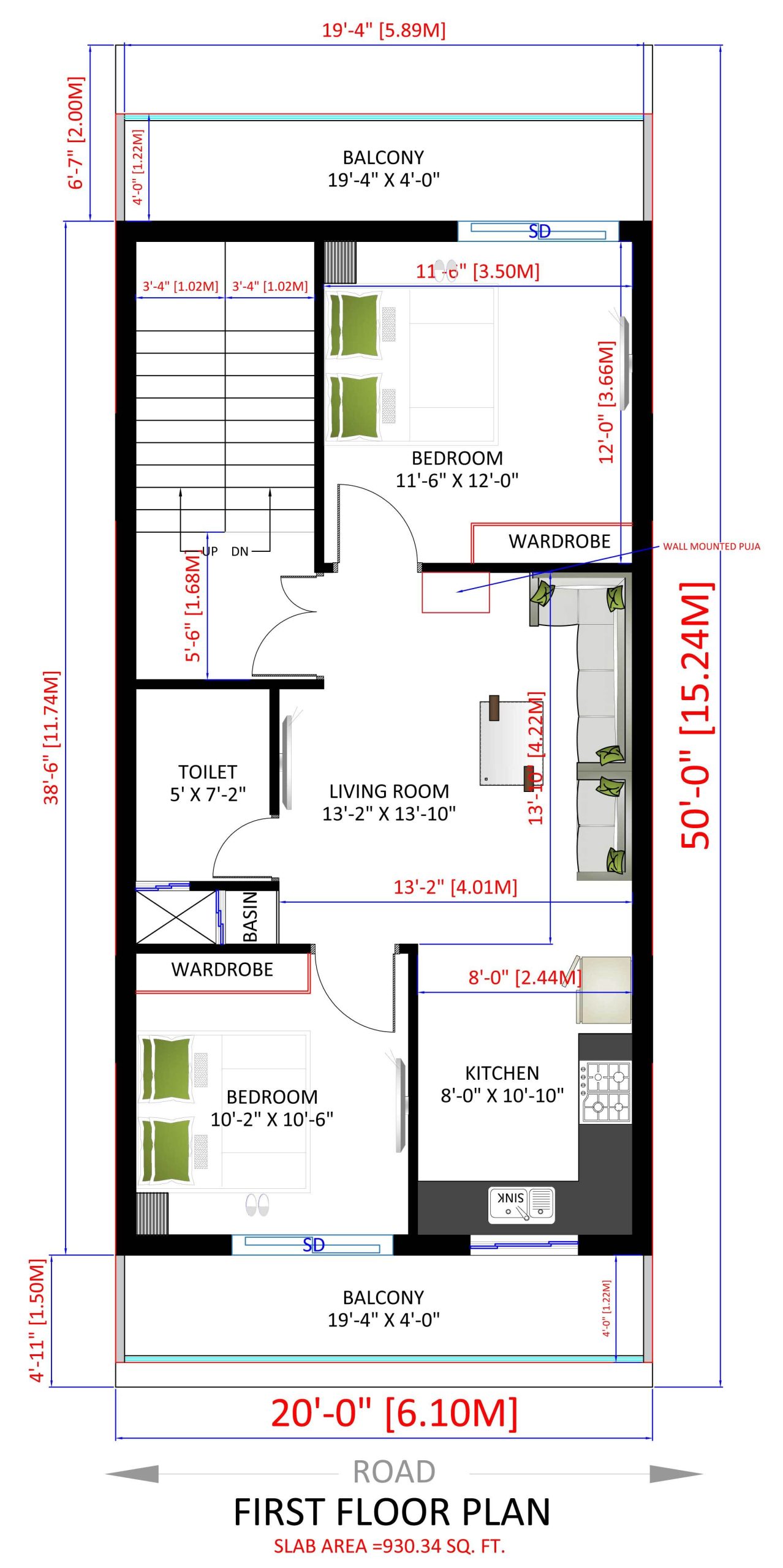
- Compact 2BHK layout
- Open living + dining
- Duplex (G+1) planning
- Avoid trying to fit too many rooms.
My experience:
People push for 3BHK in small plots. Result? Tiny rooms, uncomfortable living.
3. Plan Structure for Future Floors
Even if you’re building only ground floor today, think long-term.
- Design foundation for G+1 or G+2
- Use proper column size and footing
- Keep staircase location planned
Important:
Changing structure later is very costly.
4. Smart Use of Space During Construction
Every inch matters.
Use space smartly:
- Staircase in corner
- Storage under stairs
- Wall mounted cabinets
- Multipurpose furniture areas
Real example:
In one project, we used under-stair space for storage. Client saved almost 50–60k in furniture.
5. Focus on Ventilation & Natural Light
This is where many small homes fail.
Plan on construction stage:
- Keep Windows in opposite walls
- Using light shafts (if possible)
- Avoid blocking airflow with unnecessary walls
Warning:
No ventilation = suffocating home.
6. Keep the Design Simple
Complex designs look good on paper, but cause issues on site.
Simple design means:
- Straight walls
- Less beam complexity
- Easy execution
Benefit:
- Faster construction
- Lower cost
- Less mistakes
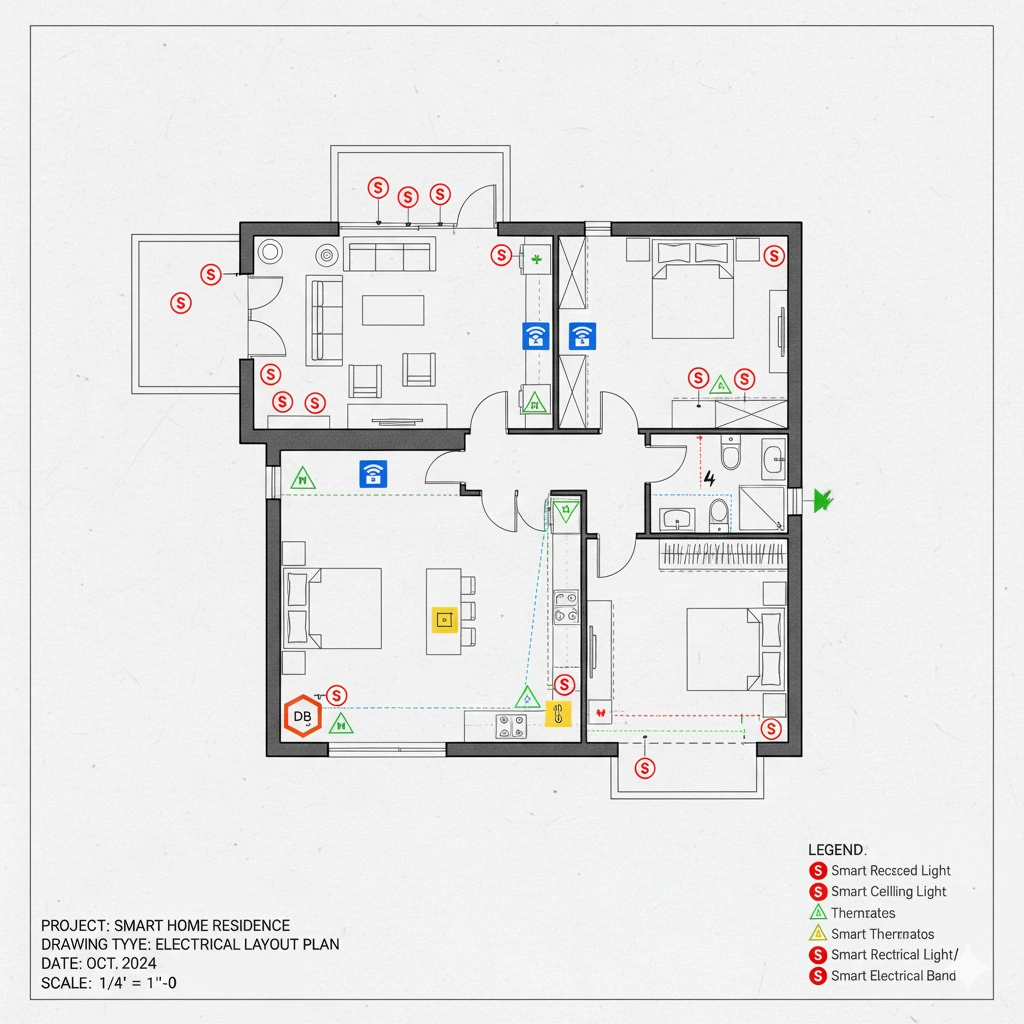
7. Plan Electrical & Plumbing Early
Many people ignore this in initial stages.
But later:
- Wires break walls
- Pipes have to be shifted
Tip from experience:
Always finalize electrical points before plaster work.
8. Choose the Right Materials
Budget control is very important in small plot construction.
Use:
- Good quality bricks
- Standard cement brands
- Proper steel grade
- Don’t go for the cheapest option blindly.
Reality:
Cheap material = future repair cost.
9. Plan Parking Smartly
Parking is a big concern in Indian homes.
Options:
- Front setback parking
- Stilt floor parking
- Compact car space
Tip:
Even if you don’t have a car today, plan for the future.

10. Work with the Right Team
Your architect, engineer, and contractor matter a lot.
Choose someone who:
- Has small plot experience
- Understands local bylaws
- Communicate clearly
From real sites:
- Good team = smooth construction.
- Bad team = stress, delays, extra cost.
Pro Tips from Real Construction Experience
These are small things, but make a big difference:
- Always visit site regularly
- Take daily or weekly updates
- Keep buffer budget (at least 10–15%)
- Don’t finalize everything in one go
- Check material quality on-site
One thing I always tell clients:
“There is a bar in the house… do the planning.”
Common Mistakes to Avoid
I’ve seen these mistakes many times:
- Starting construction without final plan
- Ignoring future expansion
- Overdesigning small space
- Poor staircase placement
- No storage planning
- Not checking contractor work regularly
Biggest mistake:
- Rushing the process.
- Construction is not a race. It’s a long-term investment.
FAQs
1. What is the best construction plan for a small plot?
A compact and simple layout with proper ventilation and future expansion planning works best.
2. Can I build a duplex on a small plot?
Yes, duplex (G+1) is one of the smartest ways to use limited space.
3. How can I reduce construction cost?
Keep the design simple, avoid unnecessary changes, and plan everything before starting.
4. Is ventilation really important in small homes?
Yes, it directly affects comfort, health, and overall living experience.
5. Should I plan for future floors?
Definitely. It saves a lot of money and effort later.
6. How much budget buffer should I keep?
At least 10–15% extra than your estimated budget.
7. Is Vastu important in construction?
Basic Vastu can be followed, but practical design should not be compromised.
8. How to choose the right contractor?
Check past work, reviews, and ensure clear communication.
Final Thoughts
Construction on a small plot is not about adjusting… it’s about planning smartly.
I’ve seen small homes that feel open, comfortable, and beautiful just because the planning was right. And I’ve also seen bigger homes feel cramped due to poor decisions.
So take your time. Think long-term. Work with the right people.
Because once construction starts, every change costs money.
And your home… deserves thoughtful planning from day one.