Building a home is a step-by-step process from foundation to finishing where proper planning and execution at each stage are crucial. By focusing on quality materials, correct sequencing, and regular site checks, you can avoid costly mistakes and delays. Smart planning ensures your home is strong, comfortable, and long-lasting.
“Everything is ready… we’ve even bought the plot… but how do we actually start the construction?”
This is the exact situation where the real confusion begins.
The plot has been purchased, the budget has been roughly decided… but what is the next step?
Many people simply call a contractor directly and start the work.
And this is precisely where the biggest mistake lies.
I have personally witnessed projects where construction began without proper planning…
leading to redesigns, extra costs, and delays they had to face it all later on.
The truth is:
Building a home isn’t just about construction… it is a complete process spanning from the foundation to the finishing touches.
If you understand this process, half of your worries will vanish.
What does “From Foundation to Finishing” mean in Home Construction?
In simple terms:
- Foundation = The strong base of the house
- Structure = Columns, beams, and slabs
- Finishing = Paint, tiles, and interiors
This entire journey unfolds in a specific, proper sequence.
If a single step goes wrong, everything that follows gets affected.
Step-by-Step Complete Home Construction Guide
Let’s now understand the entire process in a simple and practical manner.
1. Pre-Construction Planning (The Most Important Stage)
This is the stage that people often ignore… only to regret it later.
What should you do?
- Finalize the budget
- Decide on the floor plan
- Hire an architect/engineer
- Check local building by laws
Real-world experience:
A client once started work without obtaining the necessary approvals. Later, legal issues arose, and the entire construction work came to a complete halt.
2. Soil Testing & Site Preparation
The foundation can only be truly strong if the underlying soil is properly understood.
Steps:
- Conducting a soil test
- Site cleaning/clearing
- Marking (marking out the layout on the site)
Tip:
Do not skip the soil test. It serves as the foundation for your future safety.
3. Foundation Work
This is the most critical stage of the entire project.
What does it involve?
- Excavation (digging)
- Footing construction
- PCC (Plain Cement Concrete)
Important:
If the foundation is strong, the building will be long-lasting.
4. Plinth Level & DPC
The plinth level follows the foundation.
- The structure is constructed slightly above ground level.
- The DPC (Damp Proof Course) prevents moisture ingress.
Real Tip:
Skipping the DPC leads to seepage issues in the future.
5. Structural Work (Columns, Beams, Slabs)
This constitutes the skeleton of the house.
Includes:
- Columns
- Beams
- Slab casting
Warning:
Do not compromise at this stage.
Using low-quality steel or cement can lead to cracks in the future.
6. Brickwork (Wall Construction)
At this stage, the shape of the house begins to become visible.
- External walls
- Internal walls
Tip:
Straight walls and proper alignment are crucial.

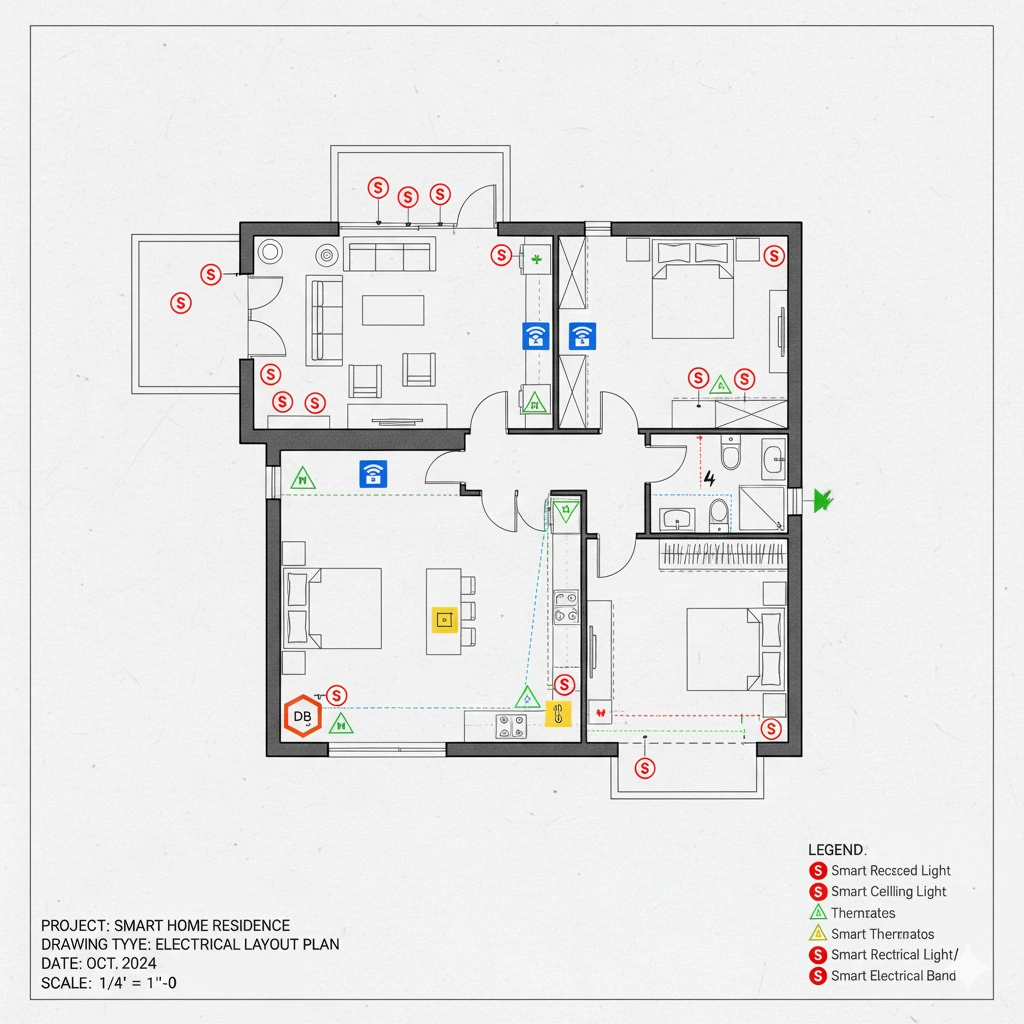
7. Electrical & Plumbing (Hidden but Critical Work)
This is a highly critical stage.
- Electrical wiring
- Switch points
- Plumbing lines
Real Experience:
In one project, the wiring had to be altered later on resulting in extra costs and damage to the walls.
8. Plastering Work
Plastering is done to give the walls a smooth finish.
- Internal plaster
- External plaster
Tip:
Proper curing (watering) is essential to prevent cracks.
9. Flooring & Tiling
Now, the aesthetic appeal of the house begins to take shape.
- Floor tiles
- Bathroom tiles
- Kitchen tiles
Advice:
Avoid using slippery tiles especially in bathrooms.
10. Doors & Windows Installation
- Main door
- Internal doors
- Windows
Tip:
High-quality doors and windows serve as a long-term investment.
11. Painting & Finishing
This marks the final stage.
- Wall paint
- Polishing
- Final touch-ups
Real Tip:
Light colors make a space feel more open and spacious.
12. Final Inspection & Handover
Once everything is complete:
- Check the finishing
- Test the electrical and plumbing systems
- Rectify any minor issues
Important:
It is essential to verify everything thoroughly before the final handover.
Real Experience Tips
- Visit the site daily and get updates.
- Don’t blindly trust the contractor’s work.
- Written agreement is necessary
- Keep 10–15% buffer of budget
- By checking material quality
Once a client said:
“Visit the site regularly to avoid mistakes.”
Common Mistakes to Avoid
It is very important to avoid these mistakes:
- Starting construction without planning
- Using low-quality material
- Future expansion plan should be ignored.
- Electrical planning should be done late.
- Hurry up in contractor selection
Biggest mistake:
“Everything will work out” and start working on the thought.
FAQs
1. How long does house construction take in India?
Usually 6–12 months depending on size and complexity.
2. What is the most important stage in construction?
Planning and foundation stage are the most critical.
3. How can I reduce construction cost?
Plan properly, avoid changes during construction, and use standard materials.
4. Is soil testing necessary?
Yes, it ensures structural safety and proper foundation design.
5. What is gray structure?
It includes foundation, columns, beams, slab, and brickwork.
6. How much buffer budget should I keep?
At least 10–15% extra.
7. Can I make changes during construction?
Yes, but it increases cost and delays the project.
8. How to choose the right contractor?
Check past work, reviews, and communication clarity.
Final Thoughts
Building a house is an emotional journey.
And honestly, it can also be stressful if the planning isn’t right.
I’ve personally seen it where the process is understood and worked on, the results are smooth and satisfying.
And where things are done in a hurry… there are only problems.
So take your time.
- Understand the process.
- Plan everything step by step.
Because from foundation to finishing, every step is important.
And your house… is built once.